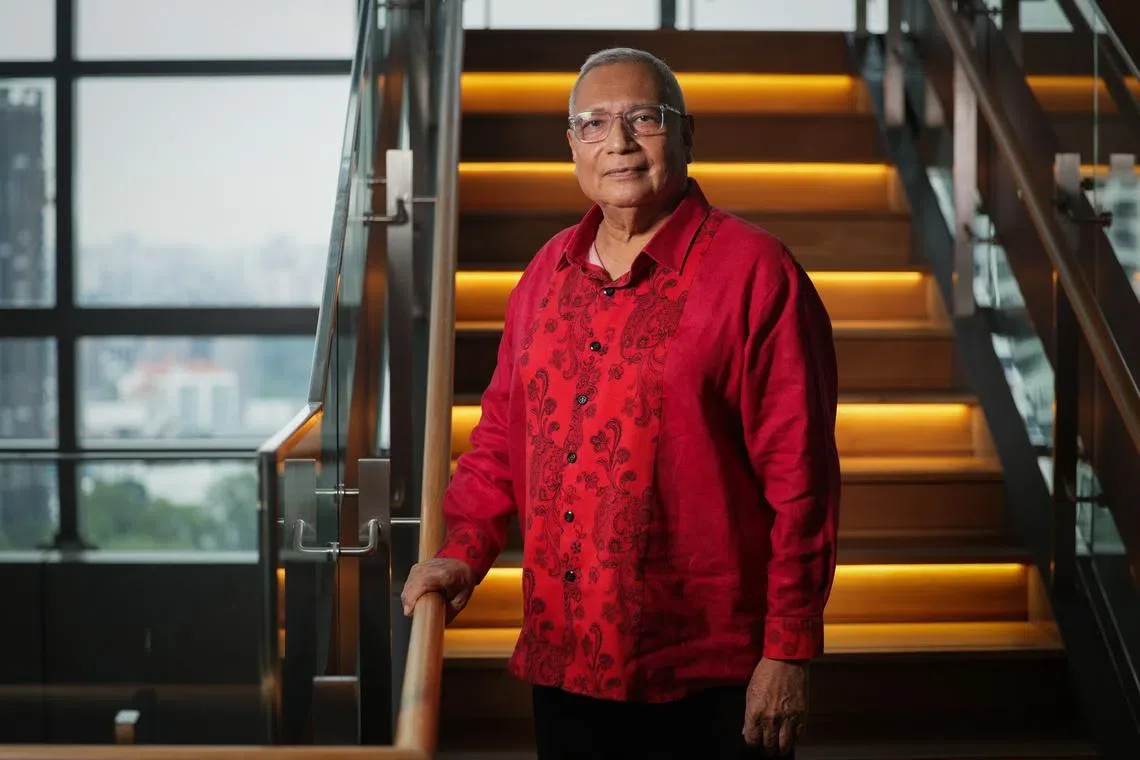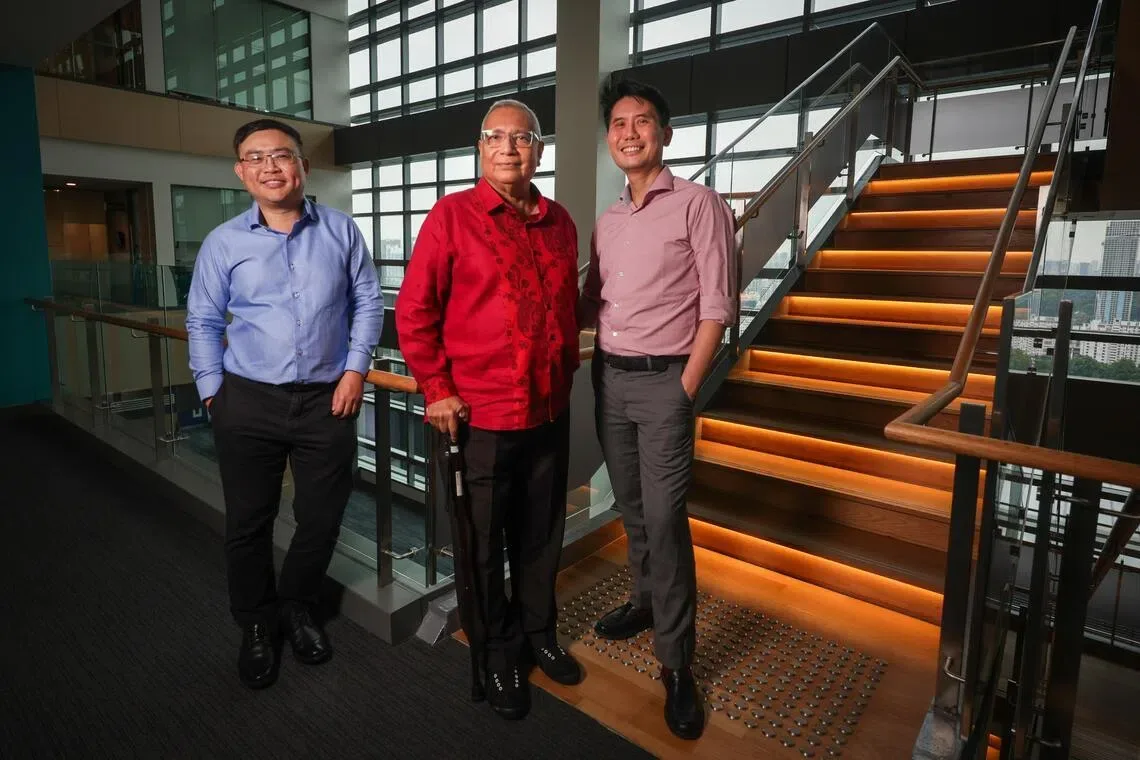
Mahamood Ahamed, a 69-year-old grandfather of 12 with end-stage liver disease, faced removal from the liver transplant waiting list after a 1.6cm cancerous tumour was found in his liver in late 2025 [1, 2, 3]. He underwent Histotripsy, a non-invasive focused ultrasound procedure that uses high-pressure vibrations to create micro-bubbles that mechanically destroy liver tumours without using heat [1, 2, 3].
The Histotripsy for Ablation of Liver Tumours (HALT) clinical trial began in December 2025 at Singapore General Hospital (SGH) and National Cancer Centre Singapore (NCCS), backed by S$12 million from the Li Ka Shing Foundation and Temasek Trust [1, 2, 3]. The funding had been committed earlier in April 2025, along with donations of two Histotripsy systems to Singapore [1, 2, 3].
As of June 11, 2026, a total of 10 patients aged 55 to 76 have undergone the procedure under the HALT trial, including Mahamood [1, 2, 3]. His tumour was located favorably for the Histotripsy technique and was offered the procedure as a bridging therapy while awaiting a transplant [1, 2, 3]. "Mr Mahamood’s procedure went well. The tumour was in a good location, which is why he was offered the trial in the first place," said Dr Too Chow Wei [1].
Brian Goh, one of the trial clinicians, explained, "It is the rapid expanding and collapsing of the micro-bubbles that mechanically break apart the tumour, turning it into a liquid state. The destruction happens only within what is known as ‘bubble cloud’, leaving the surrounding healthy tissues and organs alone" [1]. The broken-down tumour material is drained through the lymphatic system, preserving surrounding liver tissue [1, 2, 3].
While the short-term effectiveness of Histotripsy to destroy tumours is proven, its long-term efficacy compared to surgical methods remains unknown [1, 2, 3]. The HALT trial aims to gather further data on outcomes and safety.
The next milestones for the trial will assess patient responses and longer-term tumour control among the 10 treated individuals as additional data become available.