Norway has entered 'total defence' mode, preparing its population for a potential war as tensions with Russia rise along their shared border [1, 2]. The government is focusing on strengthening civil preparedness to protect citizens in case of conflict.
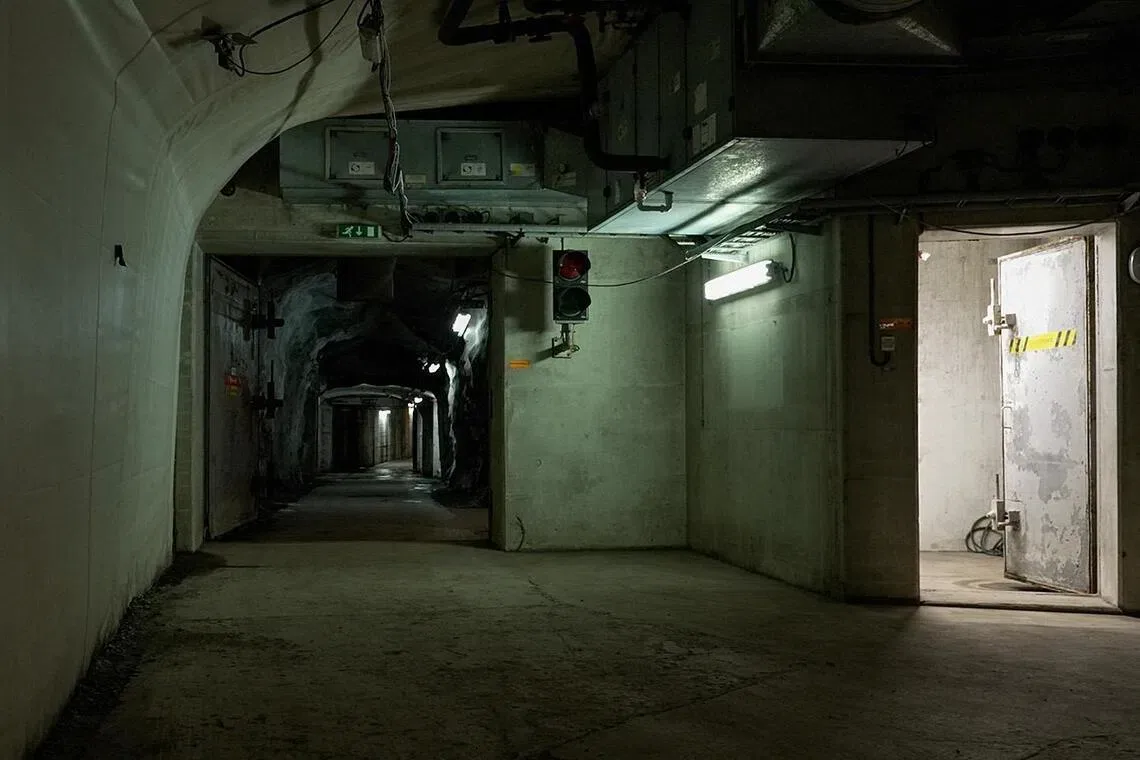
The country has about 18,600 air raid shelters, a number sufficient to cover just under half of its 5.6 million population. "Today we have about 18,600 shelters, (enough to protect) a little less than 50 per cent of the population," said Oistein Knudsen, head of Norway’s Civil Defence [1]. However, most of these shelters were built during the Cold War and now are in poor condition. "Quite a few of them need to be upgraded. They were built during the Cold War. They are humid. They’re old," Knudsen added [1].
To enhance shelter availability, Norway will reinstate the requirement for new large buildings to include air raid shelters, a rule that was lifted in 1998 [1, 2]. The government is also working to increase the number of civil defence personnel by 50%, targeting 12,000 staff, and plans to set up local preparedness councils in municipalities [1].
Prime Minister Jonas Gahr Støre warned earlier in 2026 that war could again come to Norway, signaling urgency for these measures [2]. Kristine Kallset, state secretary at the public security ministry, said, "When the security situation deteriorated, we realised there are a number of things we need to do to ensure our preparedness also accounts for war in the worst-case scenario" [1].
A key focus remains on food security. Norway aims to raise food self-sufficiency to 50% by 2030 to reduce reliance on imports during crises [1]. Households have also been urged to stock supplies that can last seven days to improve individual readiness [1].
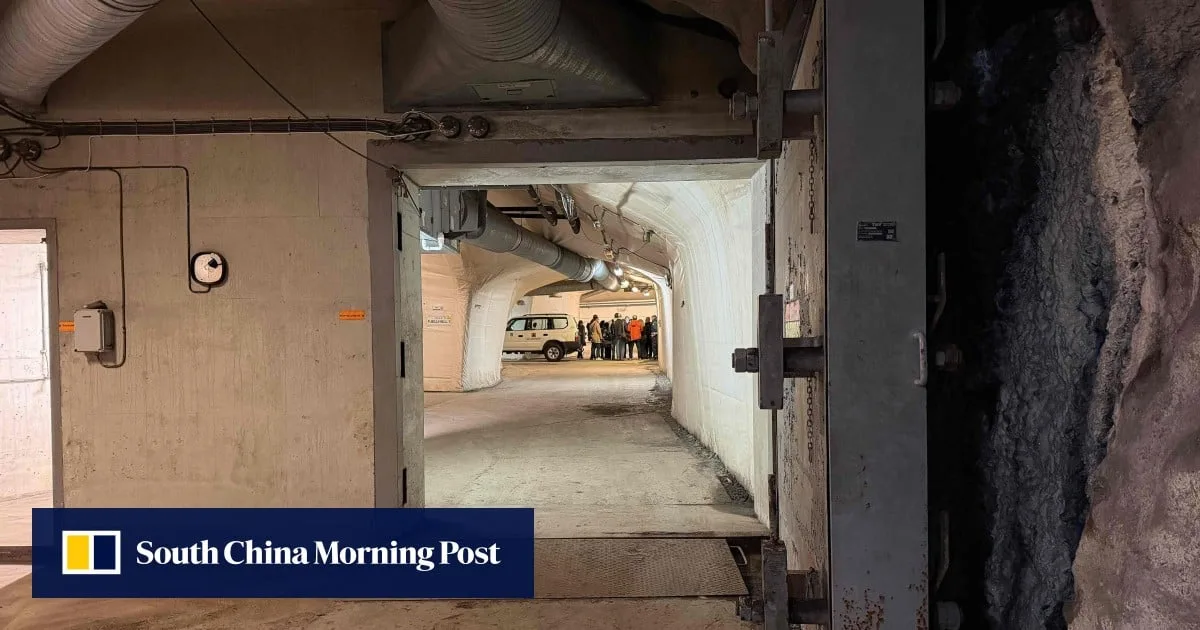
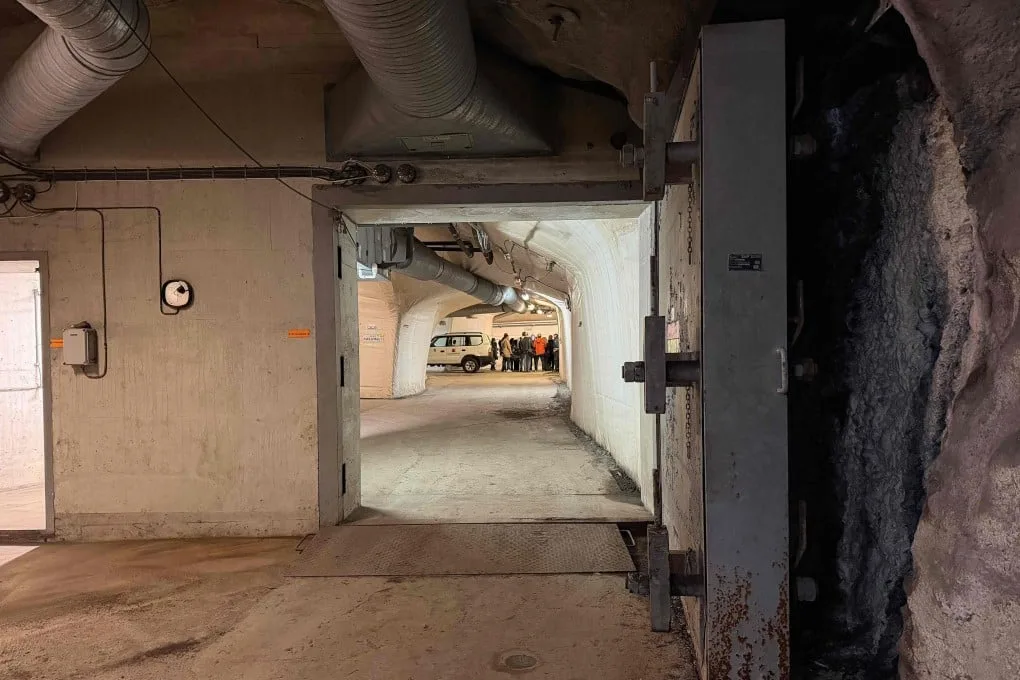
Among the shelters, the St Hanshaugen facility in Oslo can hold about 1,100 people and is designed to withstand bombings and chemical, biological, radiological, and nuclear threats [1, 2].
In 2025, Norway included roughly 100 proposals for defence preparedness, including shelter construction, in a white paper [1]. The return of shelter requirements and expanded personnel reflect concrete steps following that report.
The government will continue implementing these measures through 2030, with a focus on building local readiness and resilience in the population.