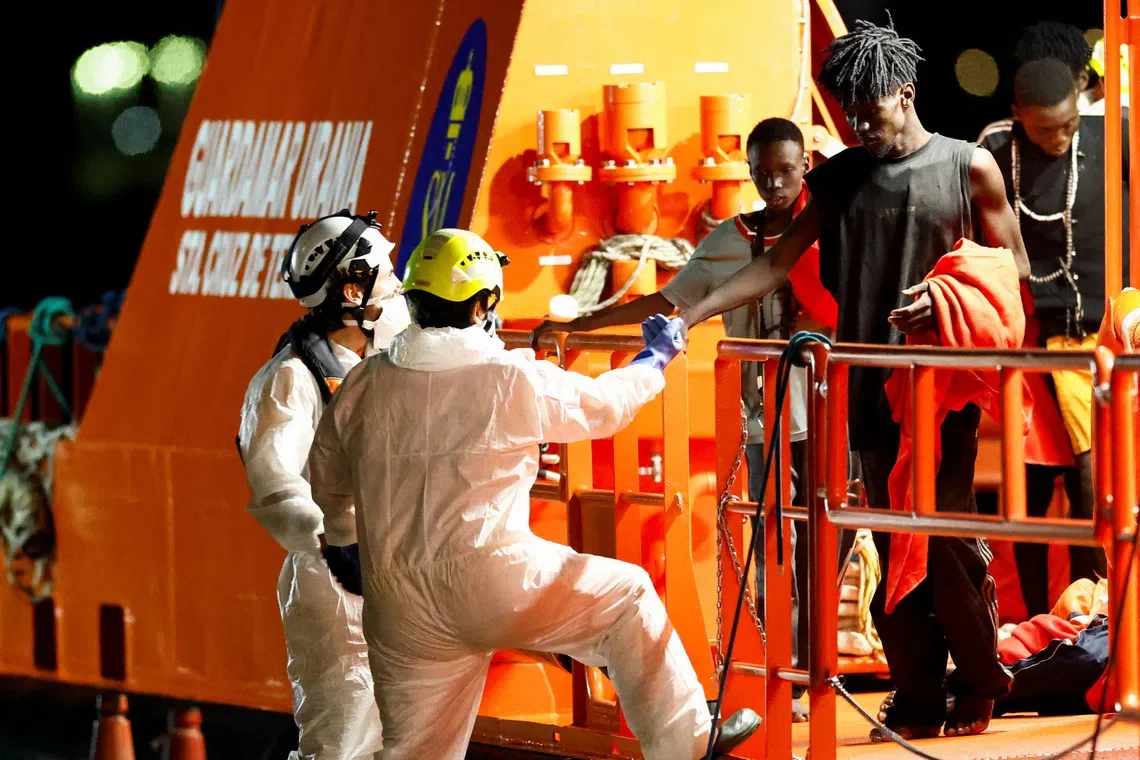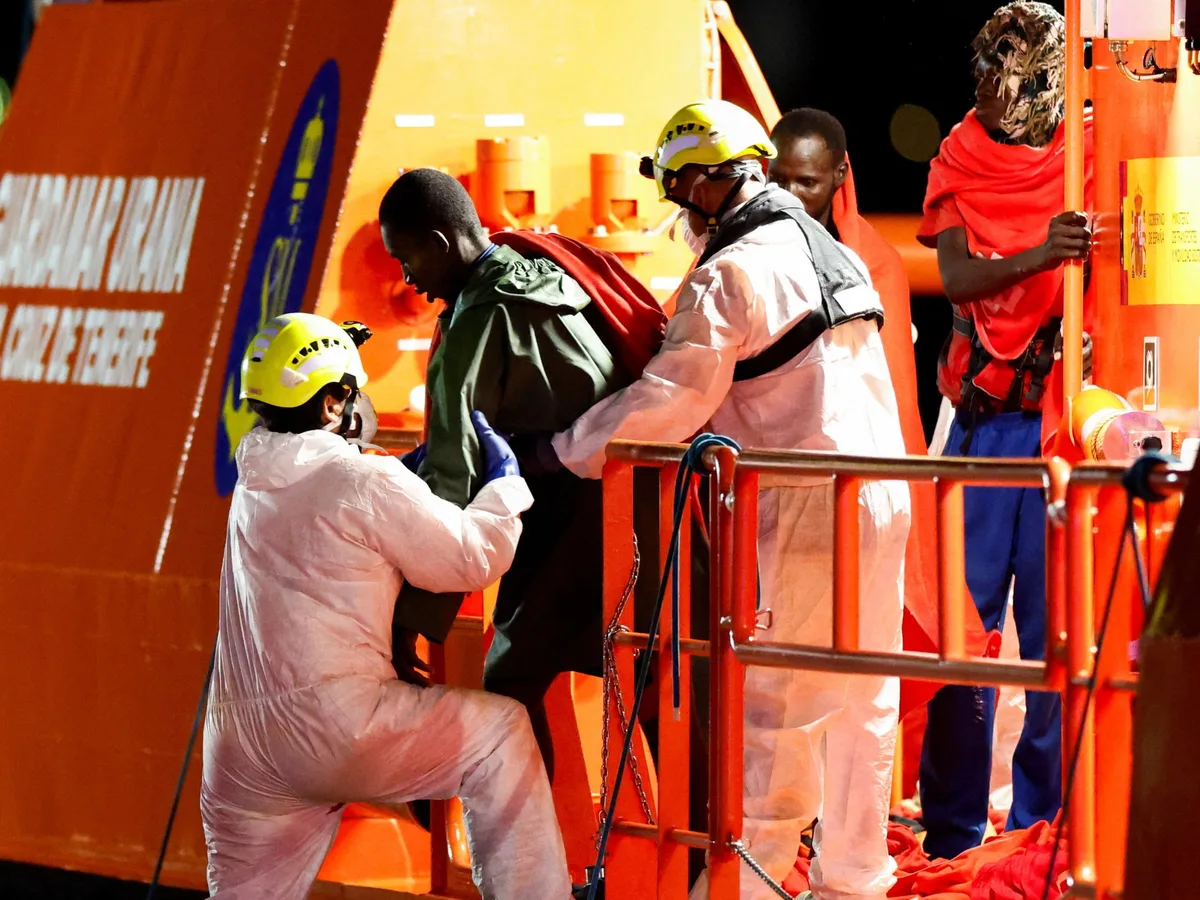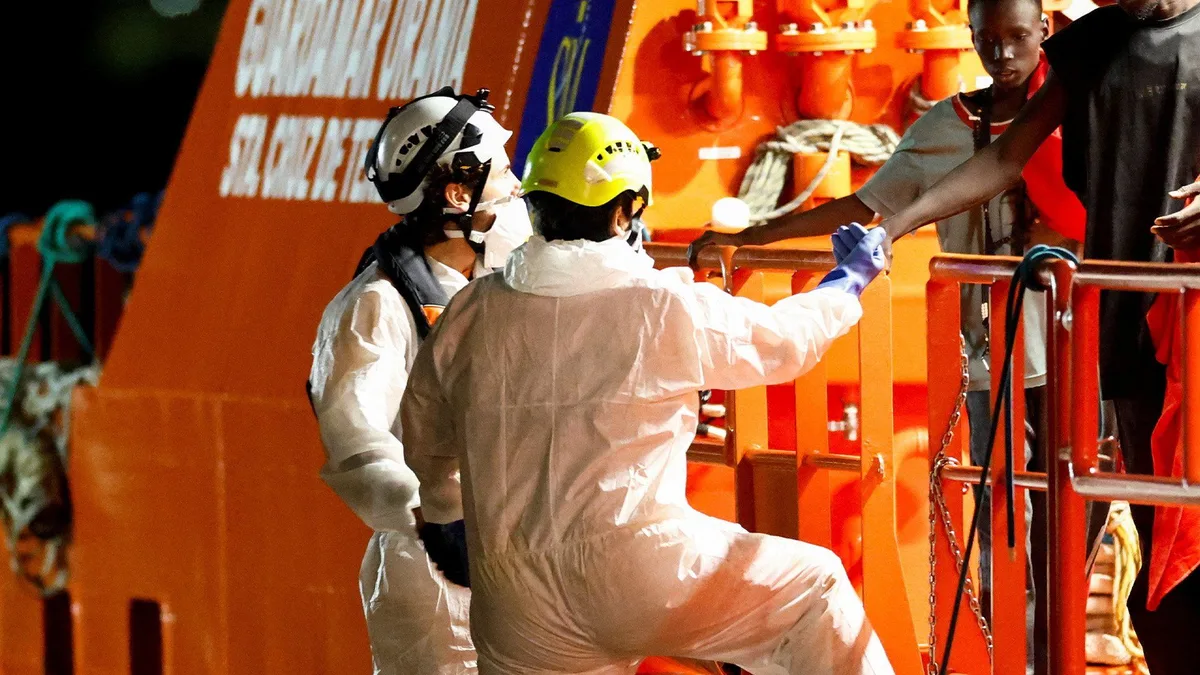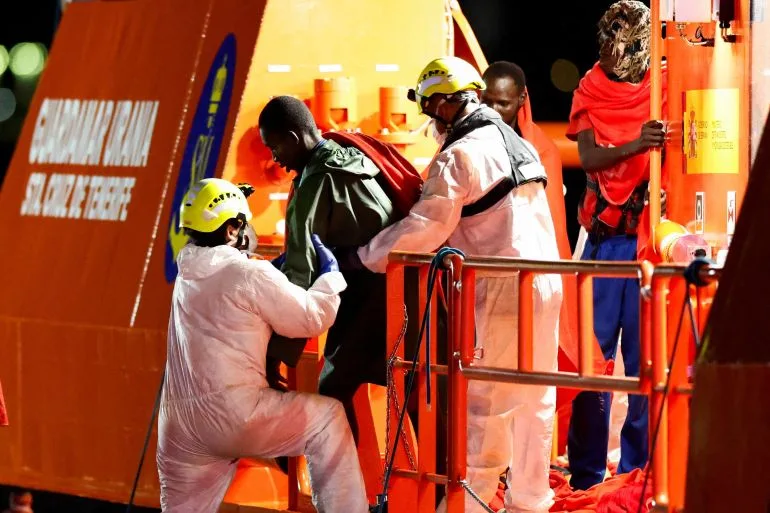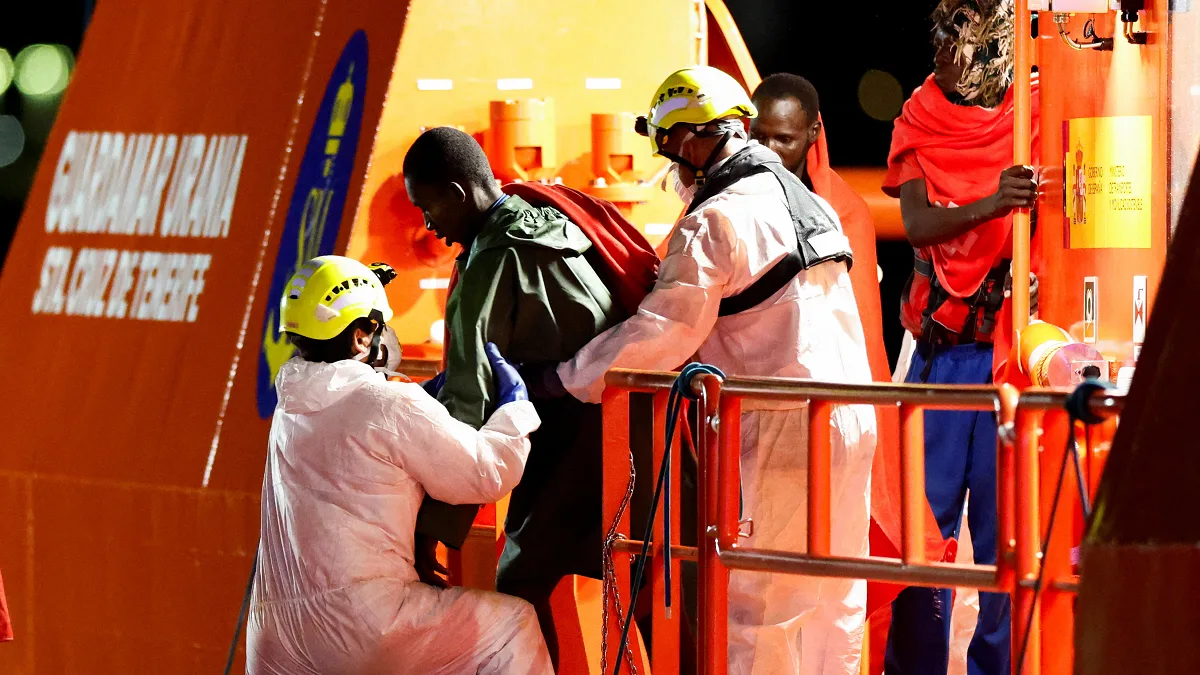
A migrant boat carrying mostly men from West Africa was found adrift about 65 nautical miles southwest of Gran Canaria on September 2 or early September 3, 2026, after drifting for 26-27 days at sea [1, 2, 3, 4, 5, 6]. Forty-four survivors were rescued and brought to the port of Arguineguin in Gran Canaria, where three critically ill men were airlifted to hospital [1, 2, 3, 4, 5, 6].
The vessel had departed from The Gambia on August 7 and was headed for the Canary Islands, a known deadly migration route from West Africa [1, 2, 3, 4, 7, 5, 6]. Survivors hail mainly from sub-Saharan countries including Mali and Senegal, and some are underage [1, 4, 5, 6]. The boat originally carried more than 100 people, with some accounts suggesting as many as 127-128 migrants, including women and a baby [1, 2, 3, 5, 6].
Authorities found five dead bodies on board but could not recover them initially due to strong winds of 20 knots and 2.5-meter waves hampering rescue efforts [1, 2, 4, 5, 6]. Survivors and migrant rights groups report that up to 83 people, including three women and a baby, may have died during the crossing, but Spanish Maritime Rescue has only confirmed the five bodies found on the boat and has not verified the larger death toll [1, 2, 3, 4, 5, 6].
Fernando Clavijo, president of the Canary Islands, condemned the loss of life, saying, "It is intolerable that lives continue to be lost. The Canaries cannot get used to or accept as normal the fact that the Atlantic continues to be a death trap" [2, 4].
The number of migrants arriving in the Canary Islands from West Africa has dropped by about 57% during 2026 compared to last year [2, 5]. The sea route remains one of the world's deadliest migration paths.
Rescue teams continue efforts to recover bodies and care for survivors brought ashore. Authorities remain engaged in identifying the victims and providing support to the rescued migrants.