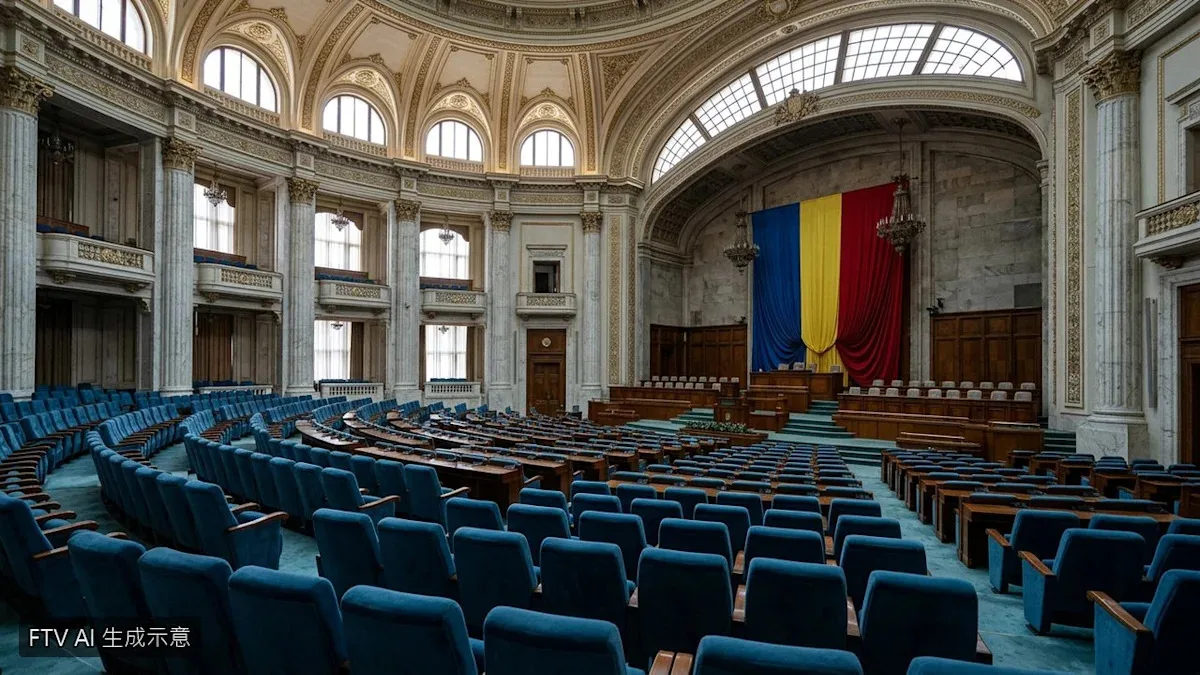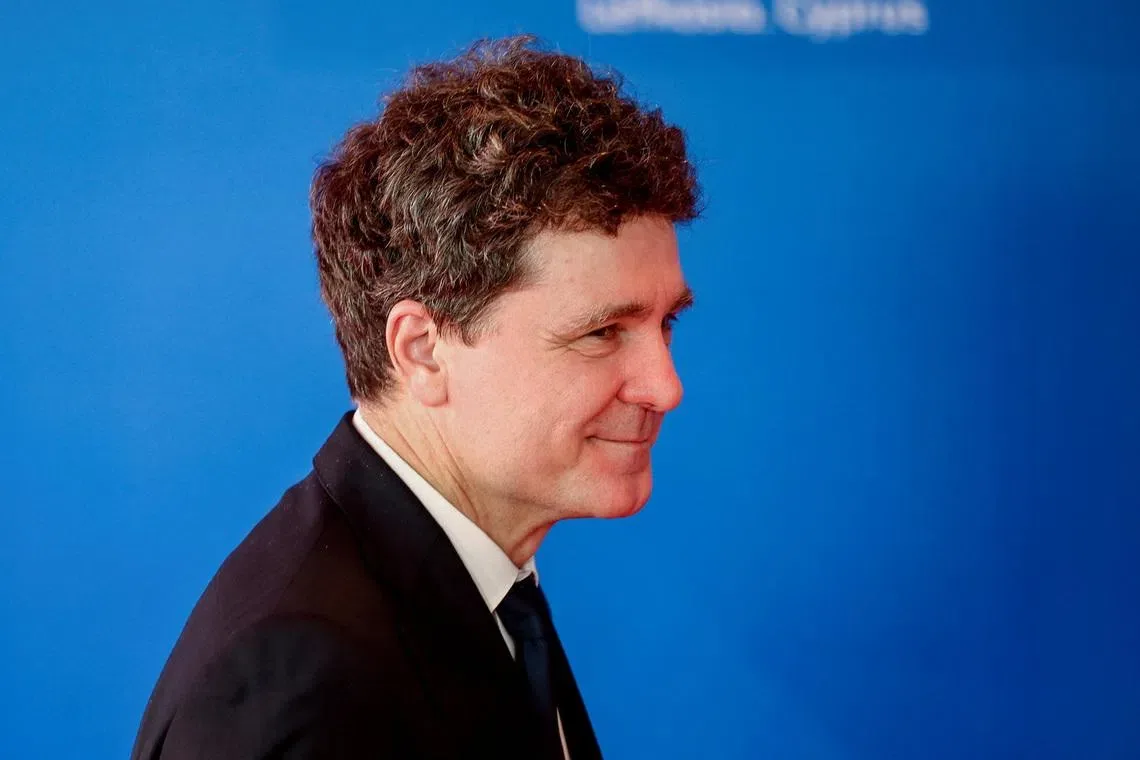
President Nicusor Dan nominated Adrian Vestea as Romania’s prime minister-designate on June 14 without consulting parliamentary parties. On the same day, Vestea’s predecessor, Eugen Tomac, resigned after failing to secure a majority for a technocratic government [1, 2].
The Liberal Party, led by outgoing Prime Minister Ilie Bolojan, immediately opposed Vestea’s nomination and called on him to resign. The party and its junior partner, the Save Romania Union (USR), also ruled out forming another coalition with the Social Democrats, who helped bring down the previous government in early May through a no-confidence vote [1, 2].
Despite pressure, Vestea publicly refused to step down on June 16. He said, "I want to be clear: I will not resign. I accepted this responsibility in good faith and will go through with this because Romania needs stability" [1]. He reiterated his commitment in Chinese, emphasizing his resolve to form a government and seek parliamentary approval [2].
The UDMR party also stated it will not back Vestea’s cabinet should it cause further splits in the Liberals. Both major centrist parties have denied support, posing a major hurdle to Vestea’s bid to form a government [1, 2].
Romania faces mounting challenges amid the ongoing political crisis, including efforts to reduce the largest budget deficit in the European Union, secure billions in EU funds, and improve sovereign credit ratings. Eurasia Group analysts said Vestea’s chance of success depends on exploiting divisions within the centrist parties and attracting defectors or independents to his cause [1, 2].
The political deadlock continues more than three months after the pro-European coalition collapsed in early May. Vestea remains the prime minister-designate as he seeks to win parliamentary backing and end the stalemate [1, 2].