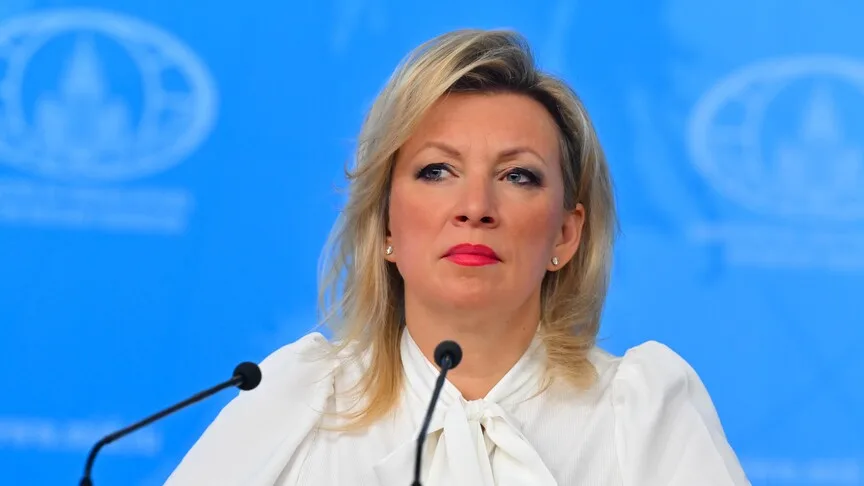
Russian Foreign Ministry spokeswoman Maria Zakharova said Ukrainian strikes on Russia’s grain and agricultural infrastructure are driving up global food prices and worsening grain shortages worldwide [1, 2, 3]. Zakharova condemned Kyiv’s actions as a "cynical military campaign to incite chaos in the global food market" benefiting certain Western nations, adding that "all this exacerbates the shortage of grain and fertilisers, fuels the rise in global food prices, and increases the burden on the countries of the Global South and East" [1].
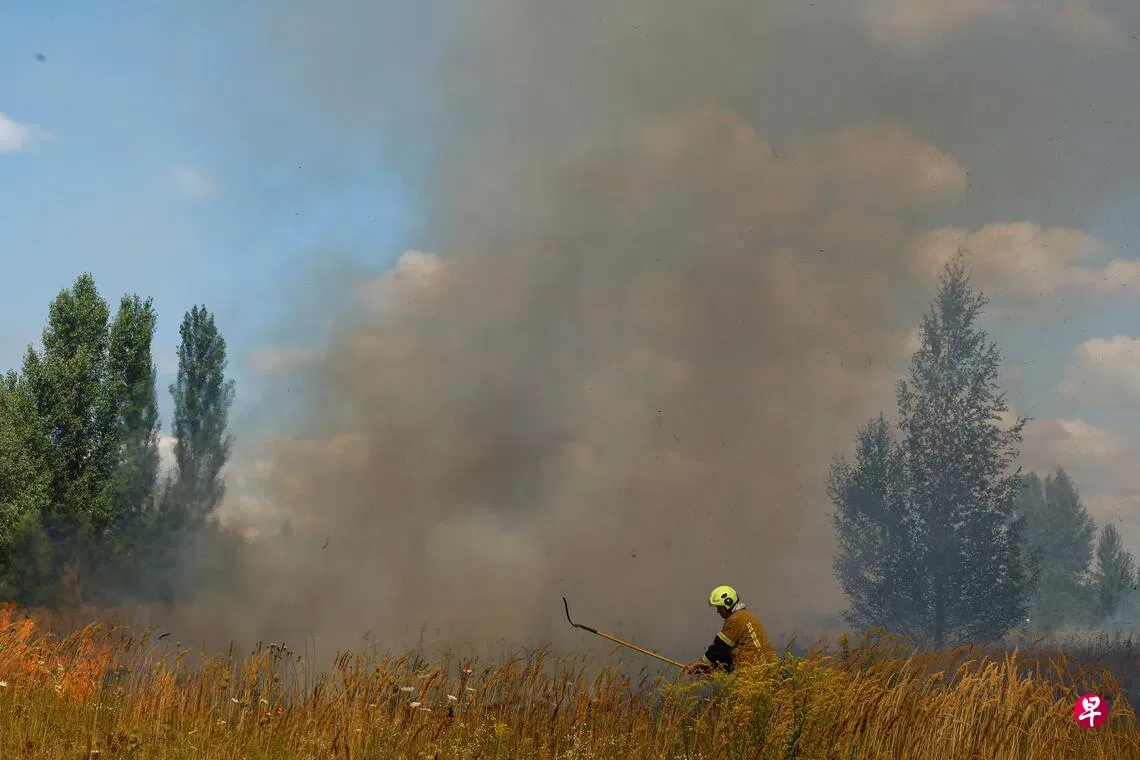
Ukrainian forces have launched drone strikes and attacks targeting civilian vessels, coastal transport, and logistics infrastructure in the Azov and Black Sea regions, disrupting agricultural exports from both sides of the conflict [1, 3]. On August 10, a wave of Ukrainian strikes hit Russia’s Black Sea port of Novorossiysk. The attacks killed three people, including a child, and forced major grain terminals in the city to halt operations [1, 2]. Zakharova said these strikes "have created difficulties with the shipment of prepared cargoes along established export routes" [3].
Russia is the world’s largest wheat exporter, while Ukraine is also a major grain exporter. However, Ukraine’s grain shipments have fallen sharply, dropping 76% in the first two weeks of August compared to the same period last year [1]. Ukrainian infrastructure officials reported that only 159 ships entered the key Odesa port hub in July, compared with 400 ships in July 2025. Deputy Infrastructure Minister Kaschuba said, "Some shipowners and cargo owners are waiting for the security situation to improve" [2].
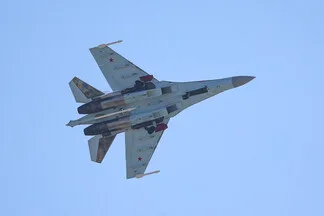
Meanwhile, Russian forces have reported at least 100 drone attacks on commercial vessels carrying Russian agricultural products in the Azov and Black Seas during July 2026 [3]. Russian military units said they are taking measures to protect navigation in the Black Sea, conducting strikes against Ukrainian facilities used to disrupt maritime traffic [3].
These exchanges have caused delays and disruptions to exports of grain, oilseed, and feed products from the region, threatening global food security and increasing burdens on countries in the Global South and East [1, 2, 3]. The next expected key event is the ongoing monitoring of export activity following the August 10 strikes on Novorossiysk’s grain terminals, which remain non-operational as of mid-August.