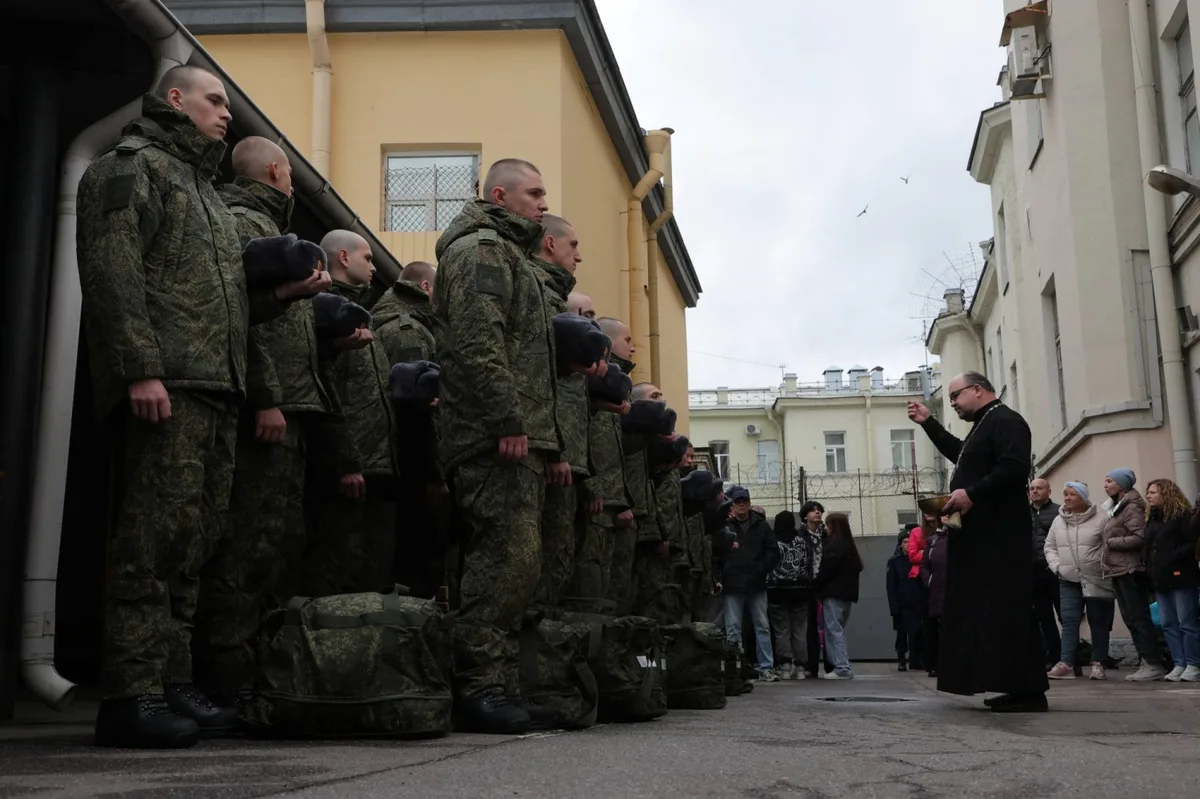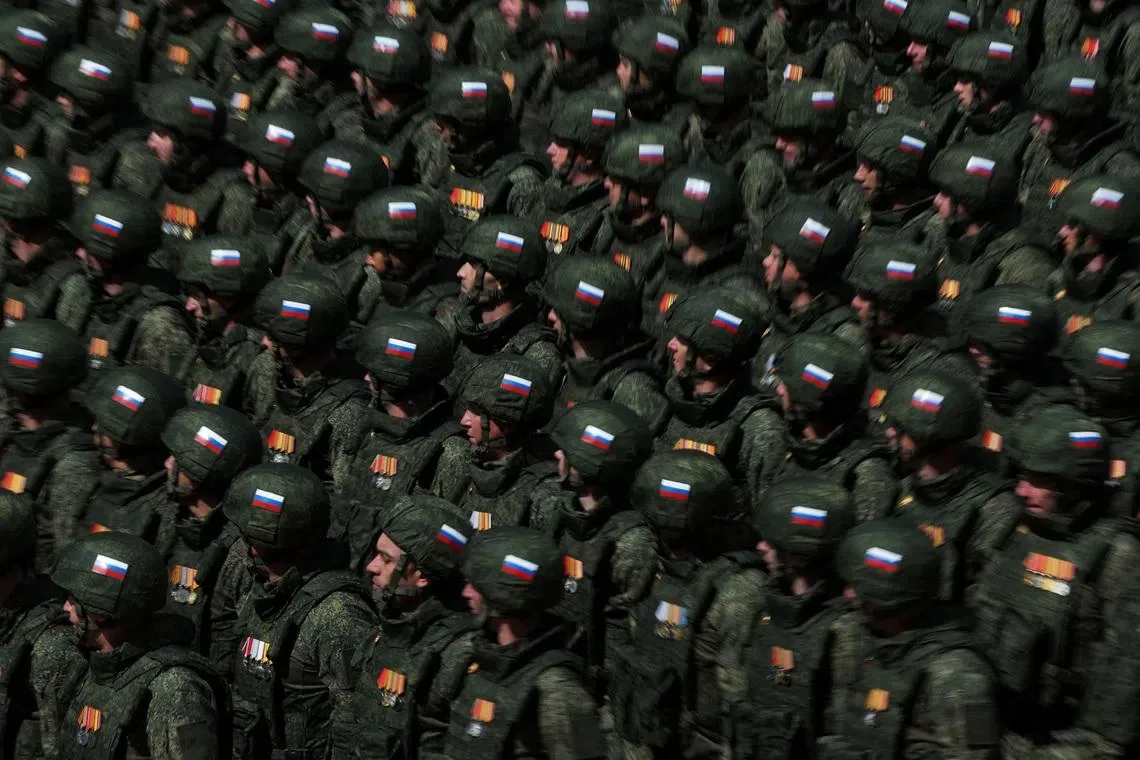
Russian police now use facial-recognition cameras to identify men wanted by military authorities for conscription, including targeting individuals in public places like the Moscow metro [1, 2]. In late 2024, a young bank worker was detained at a metro station for draft evasion and sent within three days to a military unit near Moscow for a year of mandatory service [1, 2].
Since Russia's invasion of Ukraine, conscription rules have been tightened significantly. The draft is now year-round, the upper age limit for conscription has risen from 27 to 30, and medical exemptions have become more restrictive. Authorities have also introduced an online system for summons, reducing opportunities to avoid the draft [1].
Conscripts often face intense pressure shortly after enlistment to sign contracts for active combat service in Ukraine. Many are misled to believe these contracts are limited in duration and less dangerous than they actually are. Russian authorities portray military contracts as regular jobs with fixed hours and higher pay to encourage sign-ups [1]. Access to communication and outside support is restricted for conscripts, increasing their vulnerability to such pressure [1].
Ex-president Dmitry Medvedev said that 422,000 Russians signed voluntary contracts to fight in Ukraine in 2025, reflecting a major recruitment drive [1]. Lawyer Artyom Klyga of the Movement of Conscientious Objectors explained that before 2022, many legal ways existed to avoid the draft, but those options are now nearly gone. He described it as a major success for Russian authorities to convince many conscripts that military service lasts only one year [1].
The enhanced surveillance and stricter conscription policies illustrate an aggressive effort to maintain troop numbers. The reported next military recruitment cycles and contract signings for active duty in Ukraine are expected to continue through 2026 [1].