Russia's aircraft production, covering manned and unmanned aerial vehicles, rose 117% in April 2026 compared to the same month last year, according to the Federal Statistics Service data [1, 2]. This marks a sharp increase from 68% average annual growth reported in 2025 [1, 2].
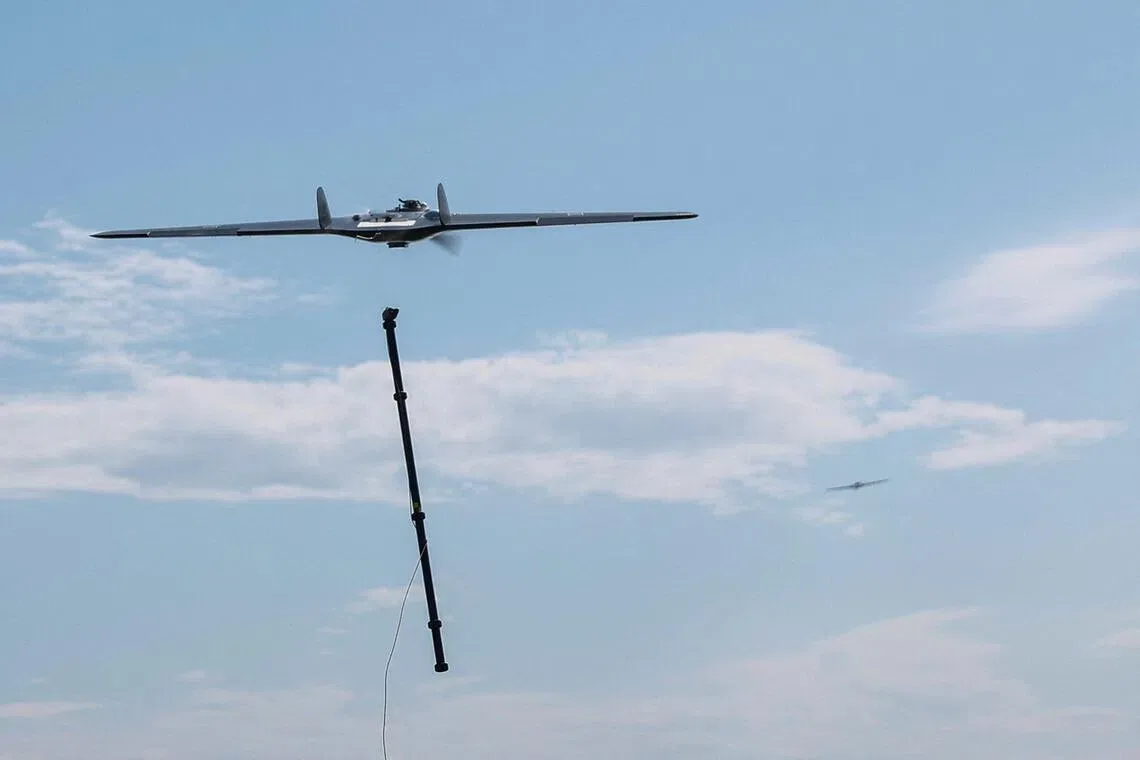
The surge reflects Moscow’s shift toward drone warfare after five years of conflict in Ukraine. The Russian military now emphasizes drone manufacture to meet demand for thousands of unmanned systems, as it adapts tactics on the battlefield [1, 2]. Defence Minister Andrey Belousov said Russia has "turned the tide" in drone combat, overcoming a previous Ukrainian advantage [1].
Ukrainian military intelligence, cited by Commander-in-Chief Oleksandr Syrskyi, estimates Russia plans to produce 7.3 million first-person view (FPV) drones and 7.8 million unmanned aerial vehicle warheads in 2026 [1]. Analyst Douglas Barrie of the International Institute for Strategic Studies noted FPV UAVs are now a key feature of ground combat, making force buildups risky near the front lines. He added longer-range UAVs help Moscow supplement its smaller cruise missile inventory and target critical Ukrainian infrastructure [1].
In mid-2025, President Vladimir Putin ordered the creation of specialized unmanned systems troops as part of scaling drone production [1]. While exact Russian military production figures remain undisclosed, approximately 1.4 million drones were produced in 2024, according to previous statements by Putin [1].
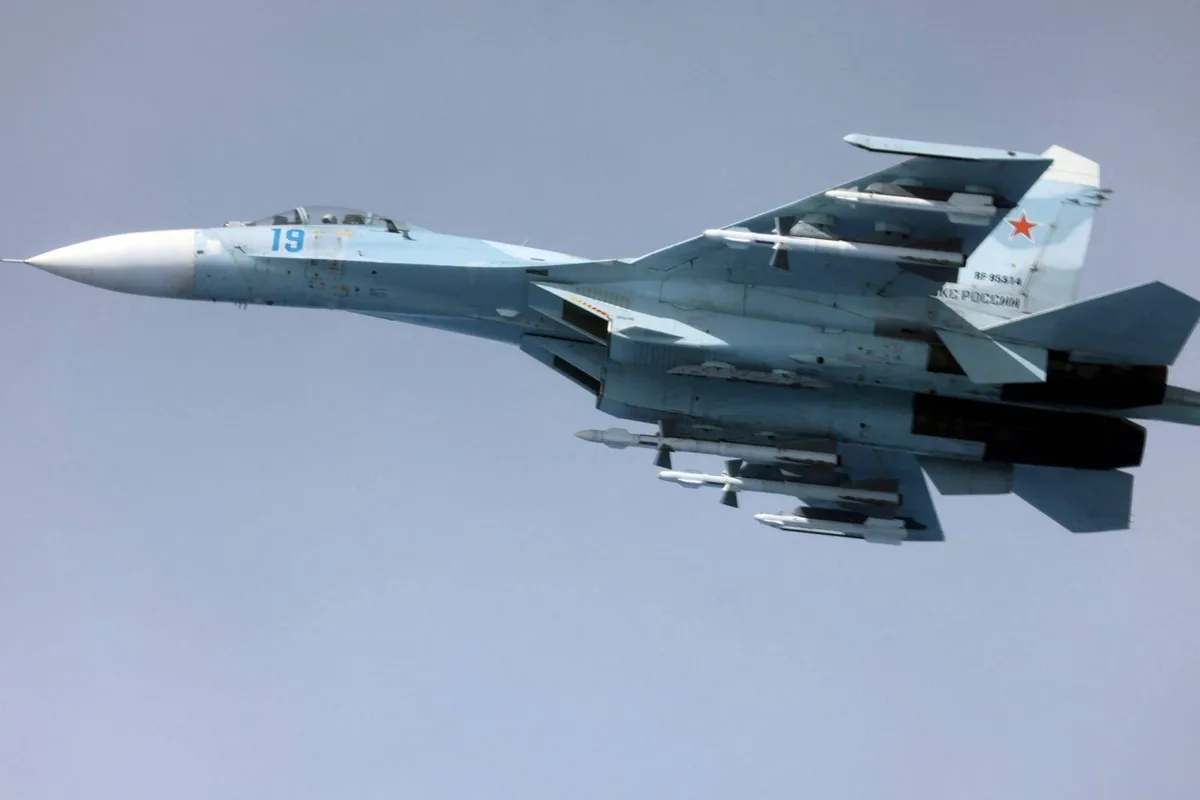
Since the start of the Ukraine war, Russia has received 64 Su-34 and Su-35 tactical aircraft and 12 Su-27 warplanes to reinforce manned air capabilities [1]. However, Russia’s broader defense sector faces challenges such as labor shortages, economic pressures, and tighter state financing, which has slowed growth elsewhere in the military-industrial complex [1].
The latest surge in April 2026 signals Russia’s concentrated push on drone and aircraft production to back its ongoing military campaign in Ukraine [1, 2].