On July 27, Russian forces launched strikes in eastern Ukraine that killed seven people and injured more than 20. The attacks targeted areas near Kostiantynivka and Kramatorsk in Donetsk Region, along with drone and artillery strikes in Dnipropetrovsk Region that killed three and wounded six others [1].
Russian forces also carried out missile and drone attacks across Kyiv, Chernihiv, Zaporizhzhia, and Kharkiv on the same day, killing at least six people in Ukraine. Among the dead were two civilians killed in a supermarket strike in Chernihiv, including a child [2]. Ukrainian President Volodymyr Zelenskyy condemned the supermarket strike as a "deeply cynical drone strike on an ordinary supermarket" [2].
On July 28, Ukrainian drone strikes hit Russia's Belgorod Region, killing three people and injuring 19. Attacks struck a business near the border and a town outside Belgorod city [3, 4].
A bus was also attacked in Shebekino near the Ukraine border, injuring 19 people. Moscow condemned the attack, with Russian Foreign Ministry spokesperson Maria Zakharova accusing Ukraine of "directing attacks on public transport with a maniacal persistence, taking revenge on ordinary people for growing failures at the front" [3, 4].
Russian-installed authorities in occupied Donetsk region reported a Ukrainian drone strike on a bus injuring five people, though Ukraine’s military denied targeting civilian transport and called the accusations false [3, 4].
Among the disputed facts, Russia claims to have captured Kostiantynivka city, while Ukrainian officials deny losing control [1].
In Ukrainian-occupied Horlivka, a Ukrainian drone strike killed four civilians and injured medical workers, adding to the toll of violence in the border areas [2].
The violence on July 27 and 28 reflects intense military activity in and near the Ukraine-Russia border. Further clashes and attacks remain likely in coming weeks.
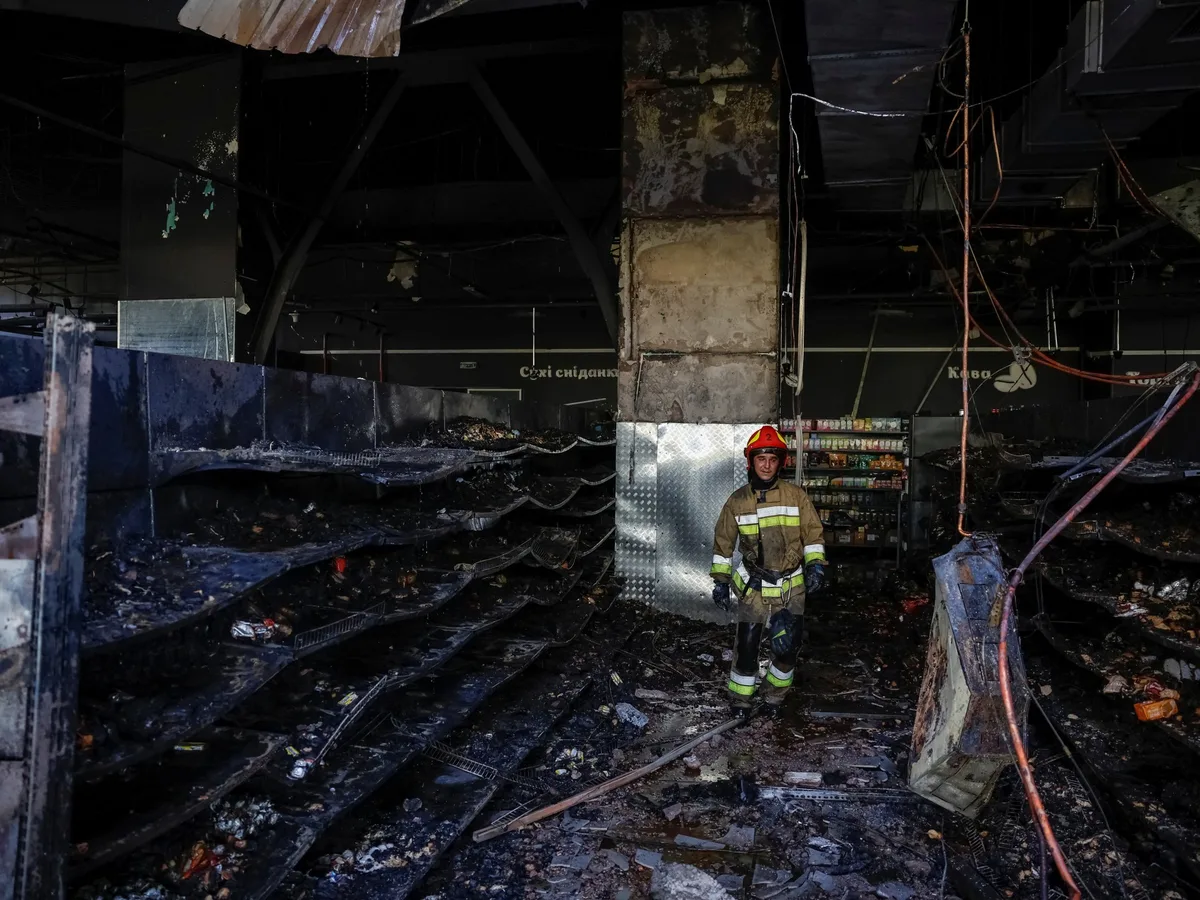

![A Ukrainian firefighter inspects the site of a supermarket in Chernihiv that was hit by a Russian drone. [REUTERS/Maksym Kishka]](/uploads/2026/07/27/f46110b1f0fe22375590f0c7.webp)