Russians are turning to VPNs, multiple phones, and frequently switching between messaging apps to bypass state internet controls that block foreign apps such as WhatsApp and Telegram, according to reports from June 13, 2026 [1, 2]. The Kremlin’s restrictions have interrupted banking, transport, and e-commerce services, causing growing public frustration as the parliamentary election approaches in September [1, 2].
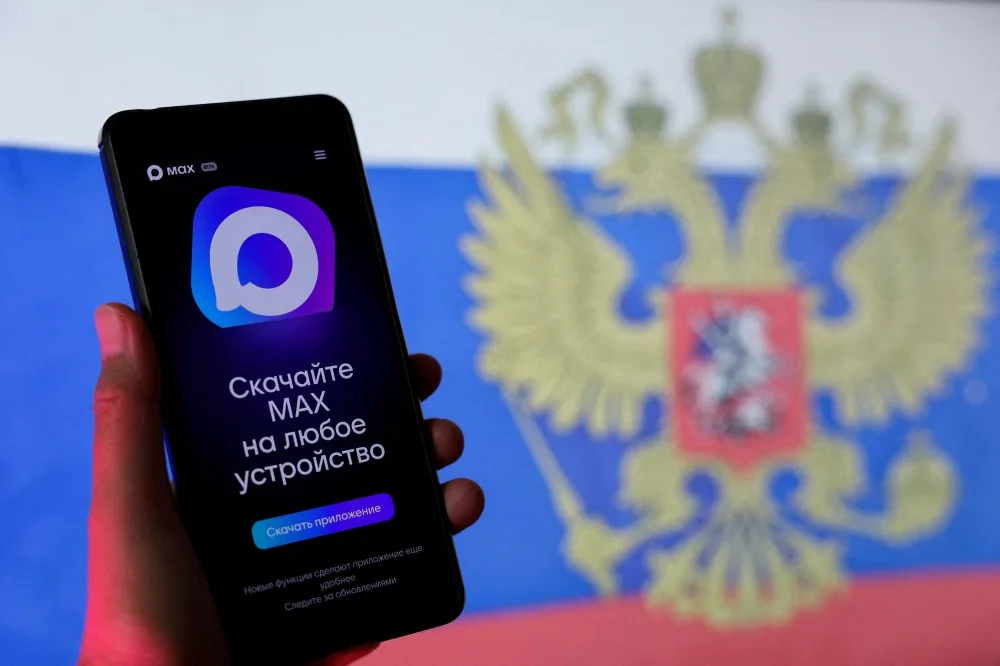
In March 2026, the five most popular VPN services in Russia were downloaded 9.2 million times, reflecting widespread efforts to evade censorship [1, 2]. Some users quarantine the state-backed app MAX on separate devices amid fears it could be used for surveillance, although the app’s owner, VK, denies those claims [1, 2]. Irina, a 41-year-old interior designer, said, “Of course this is all a huge pain in the backside, but what else can we do? You get used to it and spend your days turning VPNs on and off, toggling between different messengers and switching between different virtual countries or phones to use the apps and websites you need.” [1]
President Vladimir Putin's approval rating fell sharply from 75.1% in February to 65.6% in April 2026, its lowest since Russia’s 2022 invasion of Ukraine [1, 2]. The internet restrictions, contributing to daily disruptions and citizen dissatisfaction, come as voters prepare for the parliamentary elections scheduled for September 2026 [1, 2].
State-promoted apps like MAX are offered as alternatives to blocked services, but concerns about privacy persist among users who often isolate such apps on secondary devices to limit potential tracking [1, 2].
As Russia heads into its parliamentary vote, many citizens continue to workaround Kremlin-imposed blocks by relying on VPNs and multiple devices to maintain access to essential communication and services.