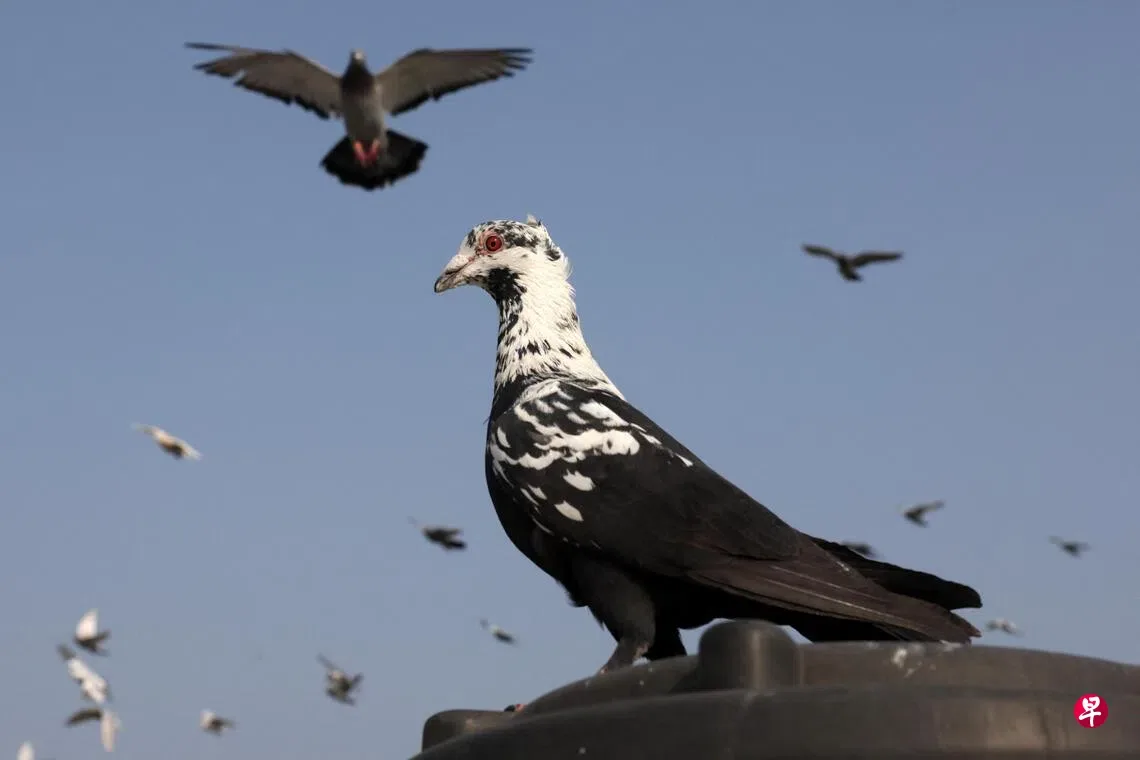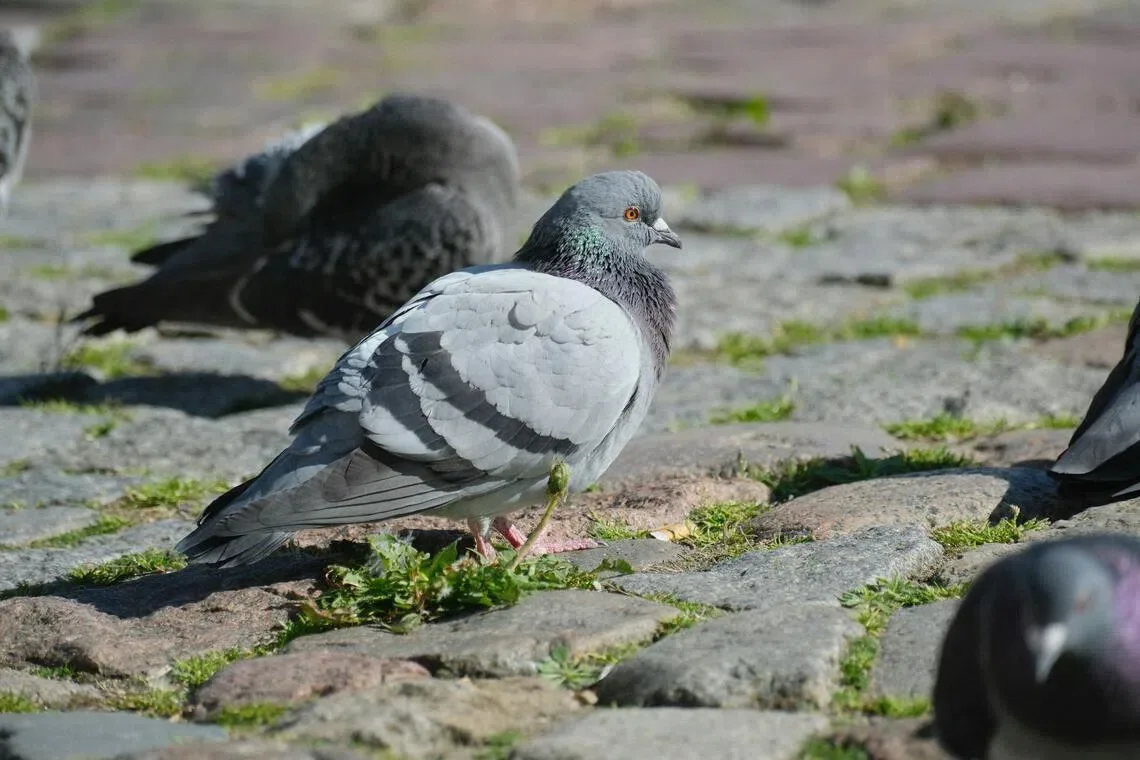
The Seoul Metropolitan Government designated 38 areas across the city as no-feeding zones for feral pigeons in April 2025. These include Seoul Plaza, Gwanghwamun Square, Seoul Forest, and 11 sections of Hangang Park, where pigeon feeding is now prohibited to address urban sanitation concerns and property damage caused by the birds' droppings [1, 2].
Starting July 1, 2025, the city began imposing fines on those who feed pigeons in these areas after approximately three months of public awareness efforts. The fines escalate with repeat offenses: 200,000 won for the first violation, 500,000 won for the second, and up to 1 million won for the third or subsequent offenses, roughly equivalent to S$840 [1, 2]. Signs warning against feeding pigeons have been posted in major squares and parks across Seoul [1, 2].
Feral pigeons, originally native to mountainous and natural habitats, have increasingly settled in urban areas of Seoul. The easy availability of food supplied by people has increased their population in the city, leading to complaints about droppings, sanitation issues, and damage to urban infrastructure [1, 2].
In June 2026, the city launched a month-long intensive crackdown to enforce the feeding ban across the no-feeding zones. This followed the initial penalty phase and aimed to reinforce compliance with the new regulations [1, 2]. After the enforcement period, Seoul shifted to conducting periodic inspections to monitor and address pigeon feeding violations systematically [1, 2].
Lee Chang-hoon, head of Seoul’s natural ecology division, said, “Cities are spaces where people and animals live together. Small actions such as not feeding wild animals and properly managing food waste can help create a cleaner environment for citizens and a healthier urban ecosystem by reducing wild animals’ excessive dependence on humans.”
The crackdown continues as authorities maintain signage and occasional inspections to prevent feeding in restricted areas and mitigate the impact of pigeon overpopulation in public spaces across Seoul [1, 2].