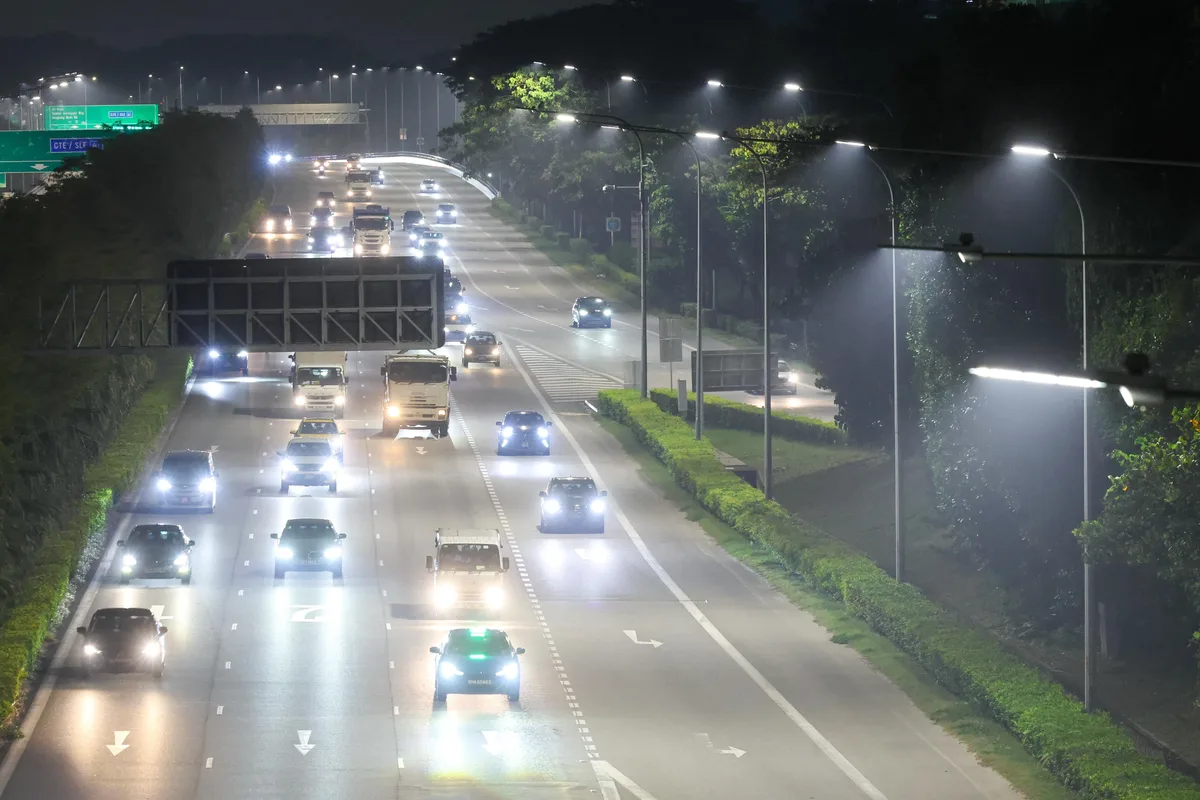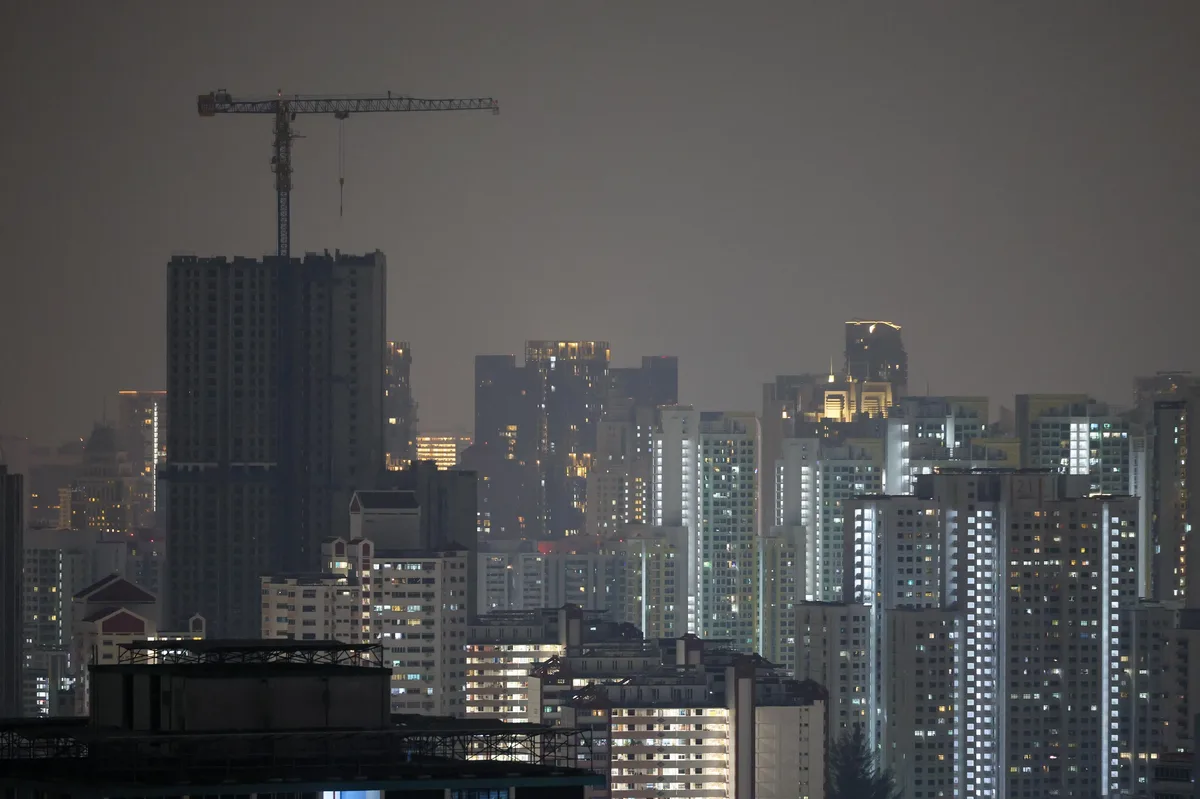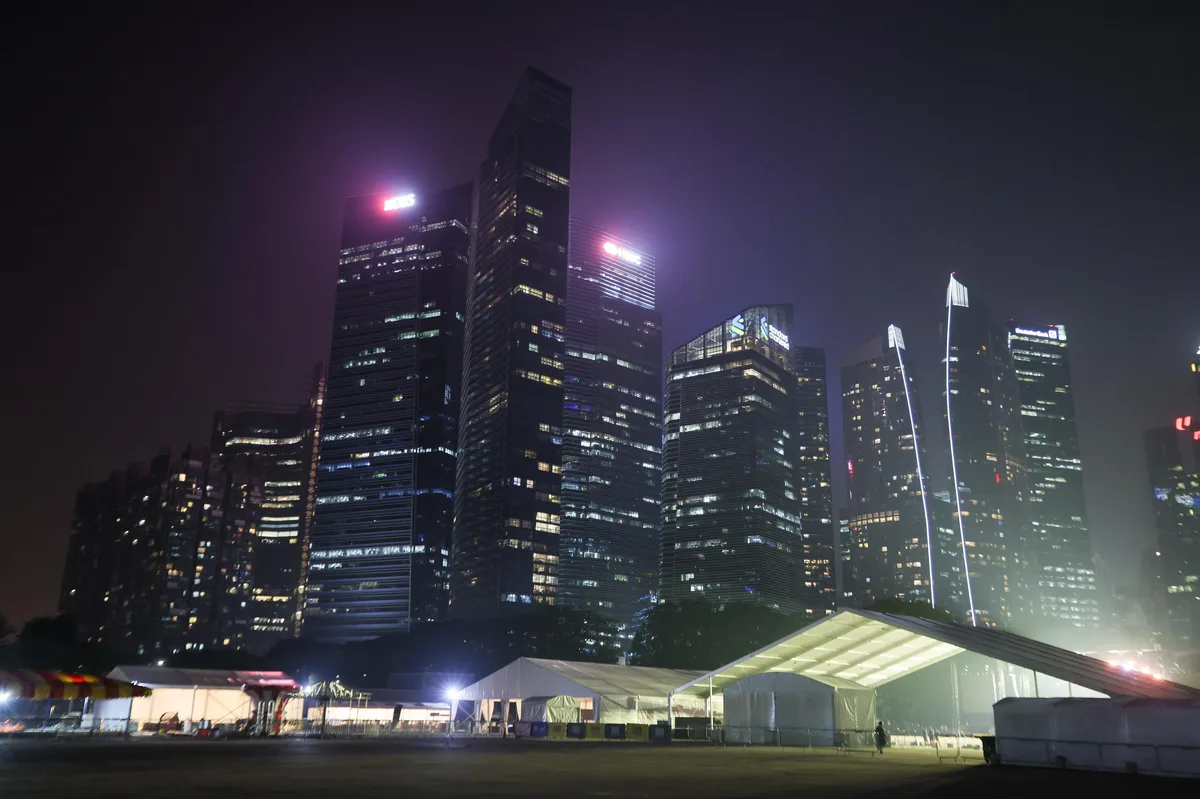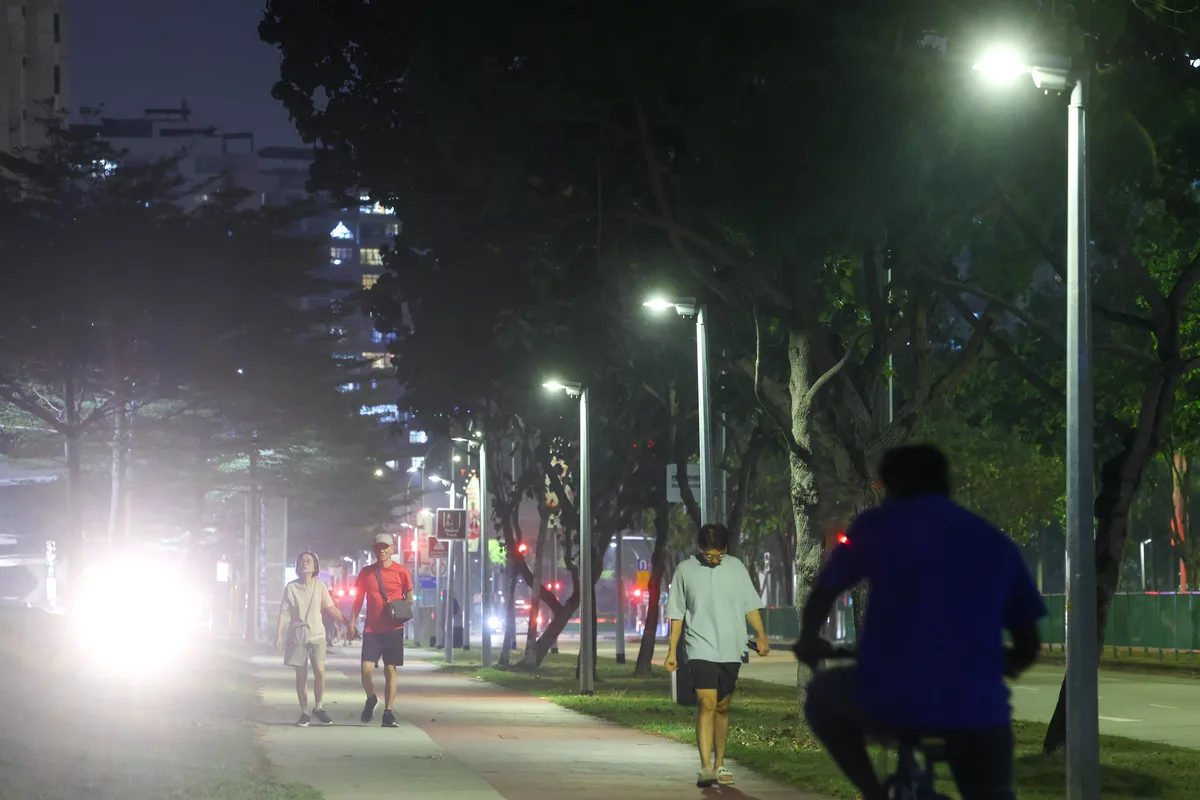
Singapore’s 24-hour Pollutant Standards Index (PSI) first reached unhealthy levels at 101 in the central region at 7 a.m. on September 4, marking the city’s first unhealthy air reading since October 2023 [1, 2, 3, 4]. By 9 p.m. that day, the PSI in the eastern region also crossed into unhealthy territory at 102 [1, 4].
The next morning, September 5, unhealthy PSI levels persisted in three regions: central peaked around 115 to 120, west rose to about 102 to 103, and east measured near 102 before improving later in the morning [3, 5, 6]. Meanwhile, the north and south regions consistently recorded moderate PSI values between 82 and 88 during this period [1, 5, 6, 7].
The haze originated from forest and land fires burning in southern and central Sumatra and across parts of Kalimantan, Indonesia. Dry weather conditions and a strong El Nino phenomenon intensified the smoke emissions [1, 2, 4]. South and south-easterly winds carried the haze over Singapore. Meteorologists forecast dry conditions and the ongoing fires will keep haze levels steady or worsen into mid-September [1, 2, 4].
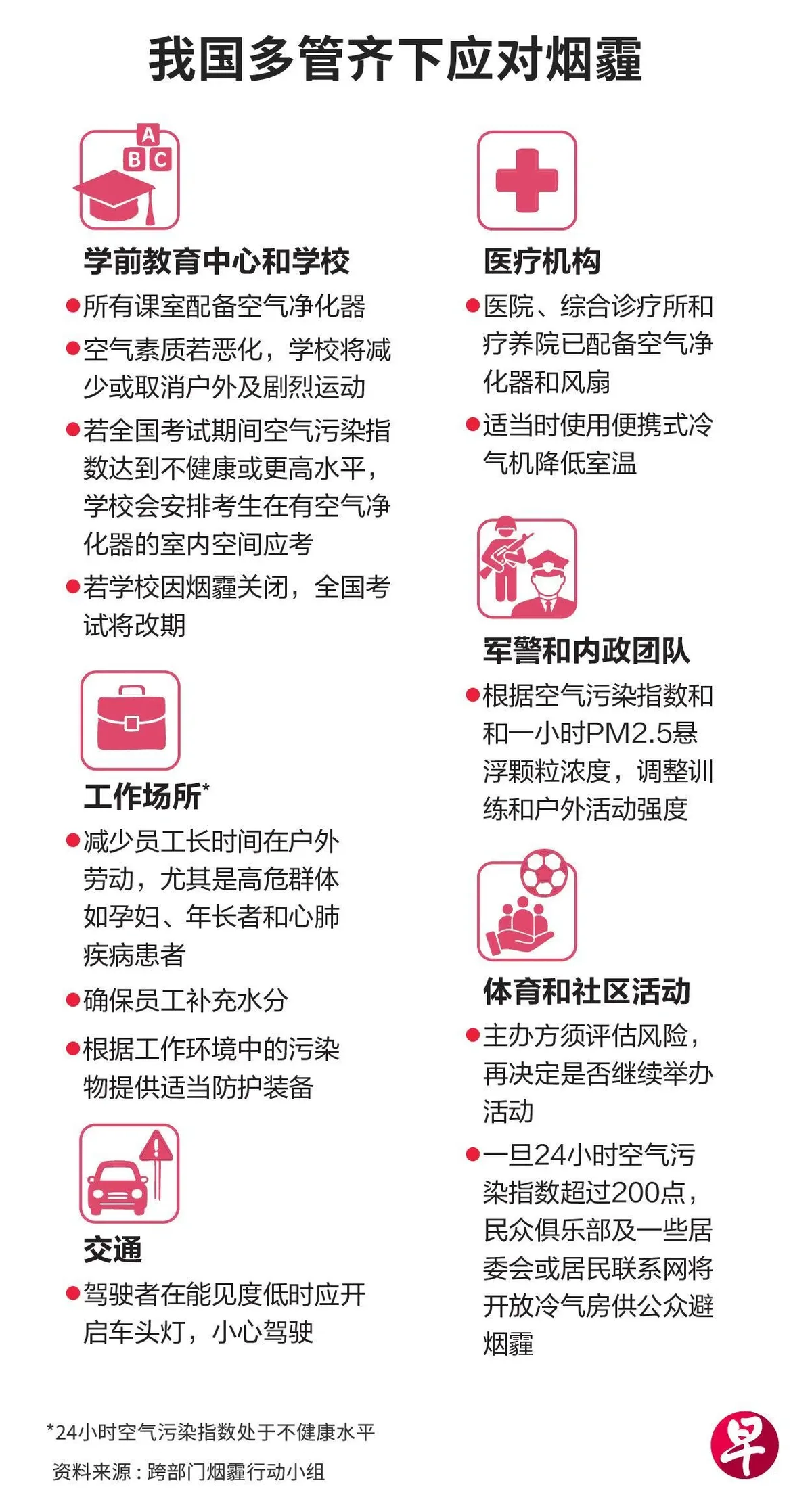
Singapore’s National Environment Agency has responded by issuing daily haze advisories and 24-hour PSI forecasts since September 4 to help residents plan activities safely [2, 3, 4, 6]. The Haze Task Force has activated contingency measures including opening air-conditioned respite rooms at community centres and residents’ committees to provide relief [1, 3, 4]. Health advice urges vulnerable groups—children, elderly, pregnant women, and those with chronic heart or lung problems—to reduce outdoor exposure [2, 4].
The PSI is calculated from six pollutants: PM2.5, PM10, ozone, sulphur dioxide, nitrogen dioxide, and carbon monoxide. PM2.5 particles are the dominant harmful pollutant during haze events [3, 6]. The ASEAN Specialised Meteorological Centre noted moderate smoke haze over Singapore and neighboring regions on September 5, with some Borneo stations registering unhealthy to hazardous levels [7].
Singapore’s Minister for Sustainability and Environment, Grace Fu, said the public can continue most necessary activities but should check hourly PM2.5 levels or the 24-hour PSI before going outdoors to plan the next day’s activities [4]. Marketing personnel Lim Weiguo said the current haze is manageable compared to past events; he intends to take his child outside but will avoid vigorous play [4].
Climate researcher Dr Wang Jingyu of NTU predicted the haze could persist until around September 9, when typhoon Krovanh is expected to weaken, bringing increased rainfall to Southeast Asia that will help clear the haze [4].