Many arts students in Singapore are debating the value of generative AI (GenAI). Some fear it threatens their creative craft and career prospects while others embrace it for experimentation and idea generation [1, 2].
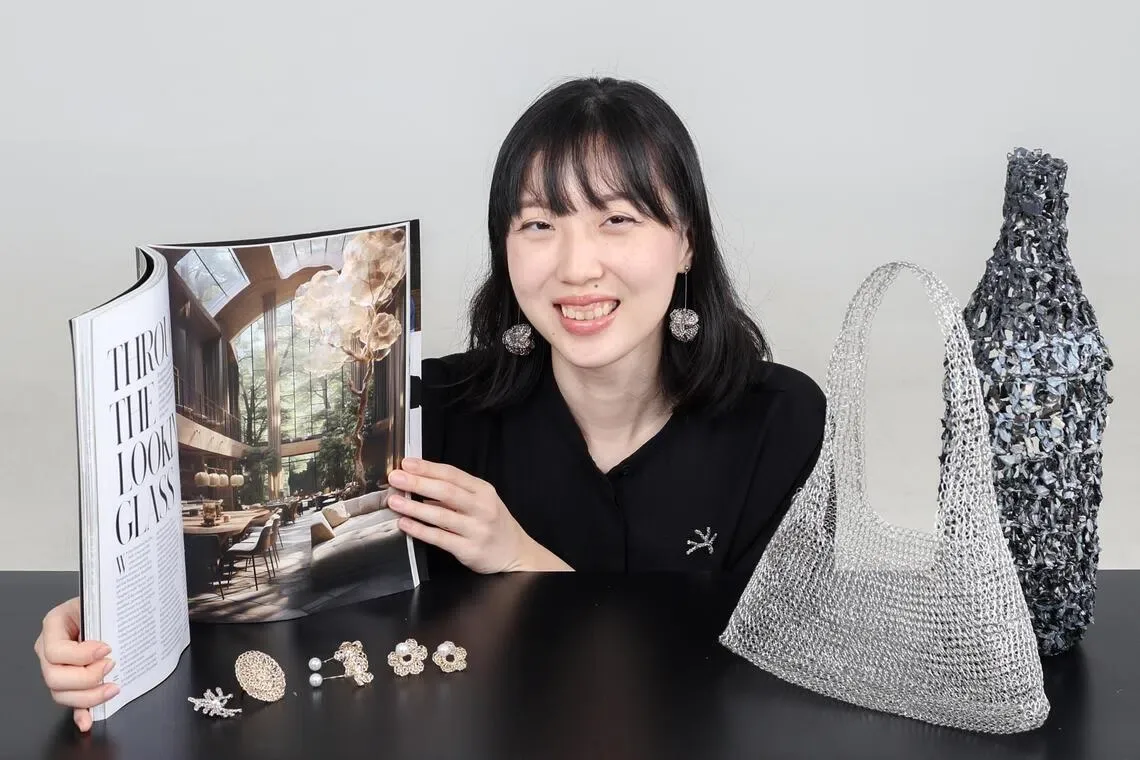
Voon Shun Yi, 23, a design communication student at LASALLE College of the Arts, rejects GenAI on ethical grounds. She declined a job requiring GenAI design. “The special part about creative work is the struggle and the craft to produce it,” she said [1]. Voon is expected to graduate in August 2026 [1, 2].
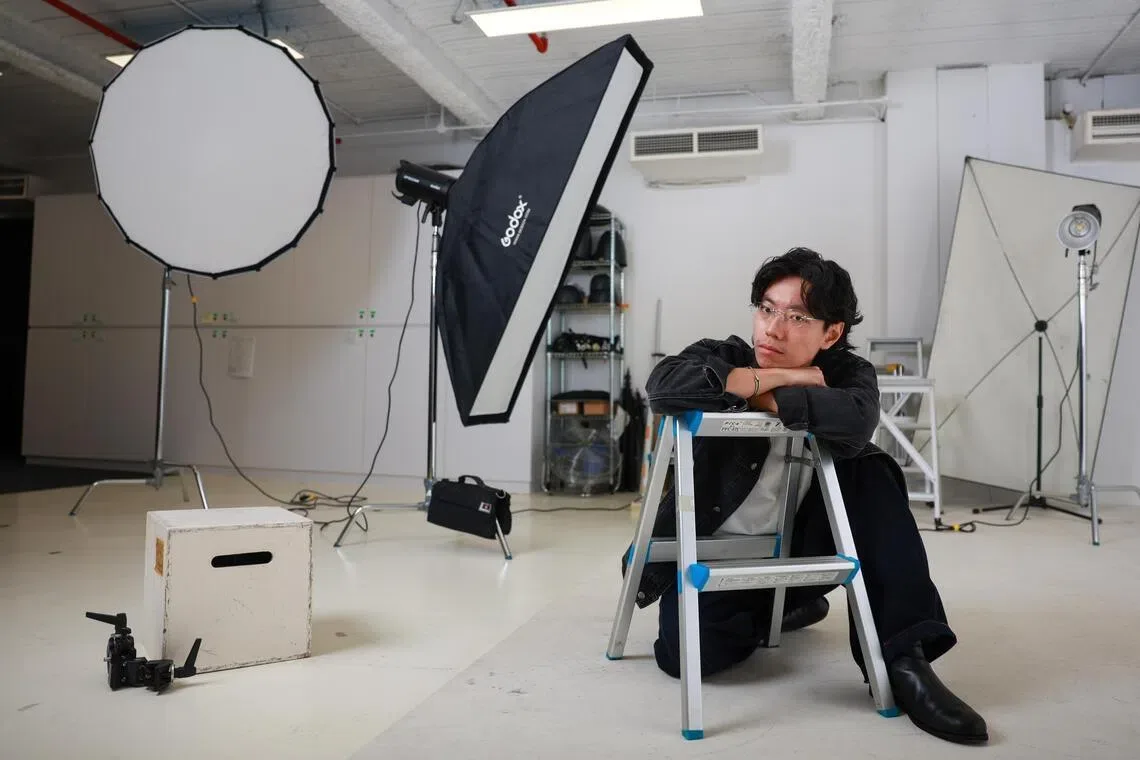
Similarly, Evangeline Teng, an 18-year-old Year Six visual arts student at the School of the Arts (SOTA), abstains from using AI. She recently switched her course from industrial/product design to clinical psychology, partly influenced by concerns about AI's impact on jobs. She said, “I’ve heard that people are saying, why would you do this? AI is going to take over your job” [1].
In contrast, some students at Nanyang Technological University’s (NTU) School of Art, Design and Media (ADM) actively use GenAI. They work with tools like StableDiffusion and GPT-2 for creative exploration and experimentation [1, 2].
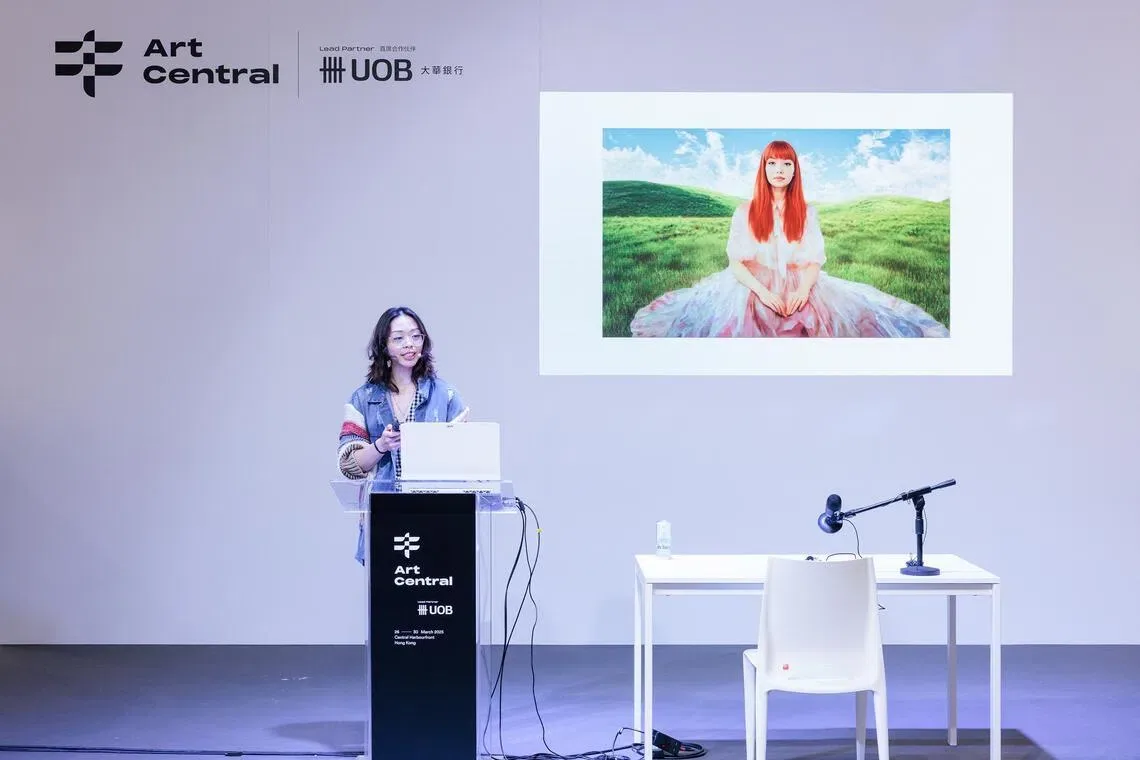
In 2023, 12 undergraduates from NTU ADM became the first Singapore students to present GenAI-generated pieces at the Ars Electronica Campus Exhibition in Austria, showcasing their engagement with the technology on an international platform [1, 2].
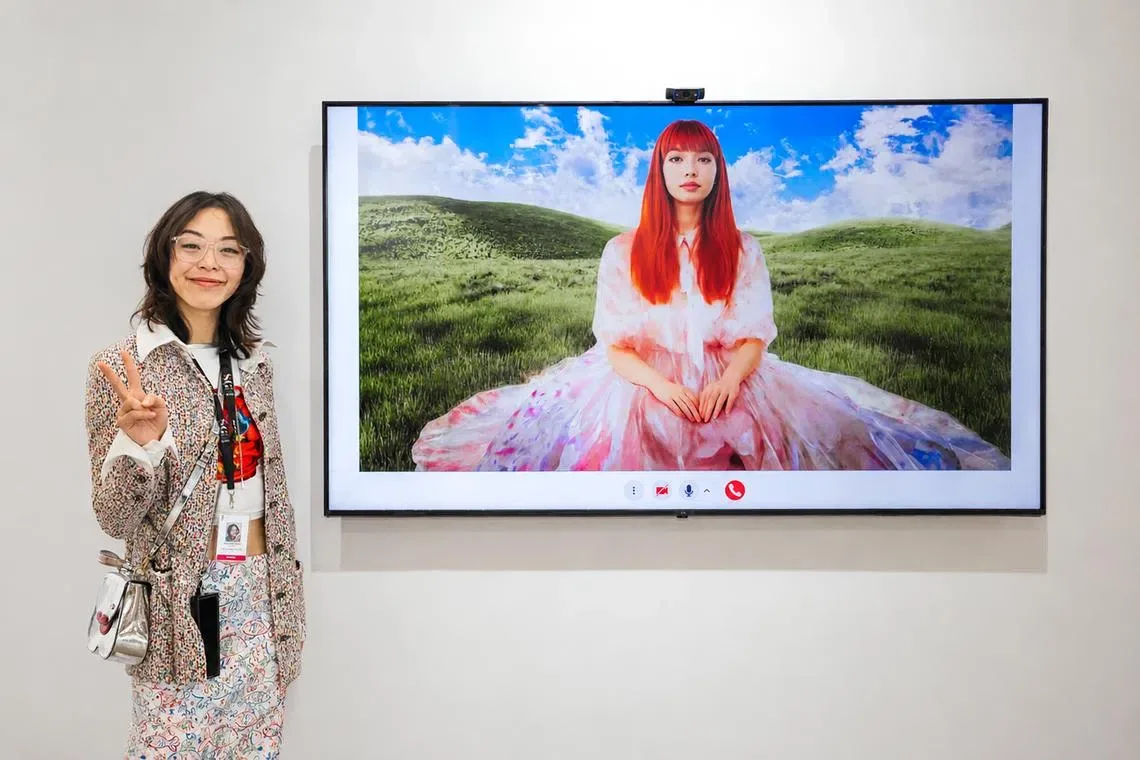
One such student, 23-year-old Cheerie Tan, uses GenAI to visualize concepts, such as imagining how an actor would look in different outfits. For her, AI is a tool to extend creative possibilities rather than replace traditional craft [1, 2].
The views among students reflect a spectrum of attitudes toward GenAI in the arts community, from ethical rejection to enthusiastic adoption. The debate continues as students approach graduation and career decisions influenced by AI technologies.