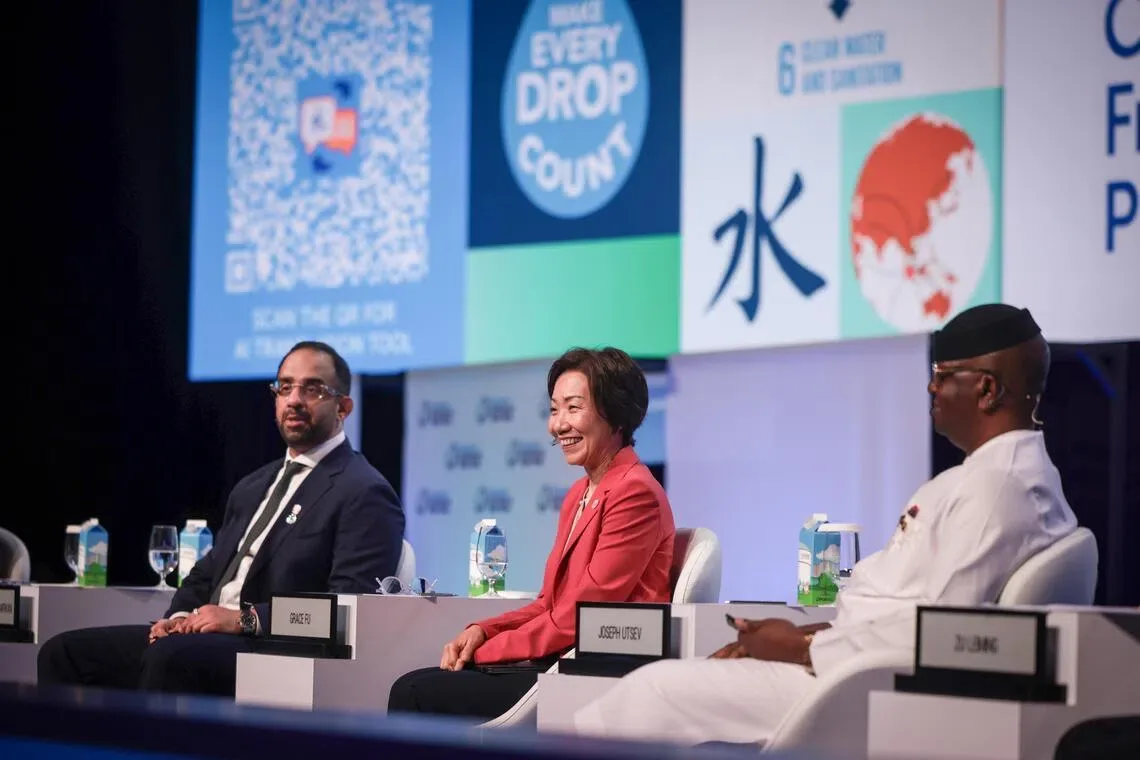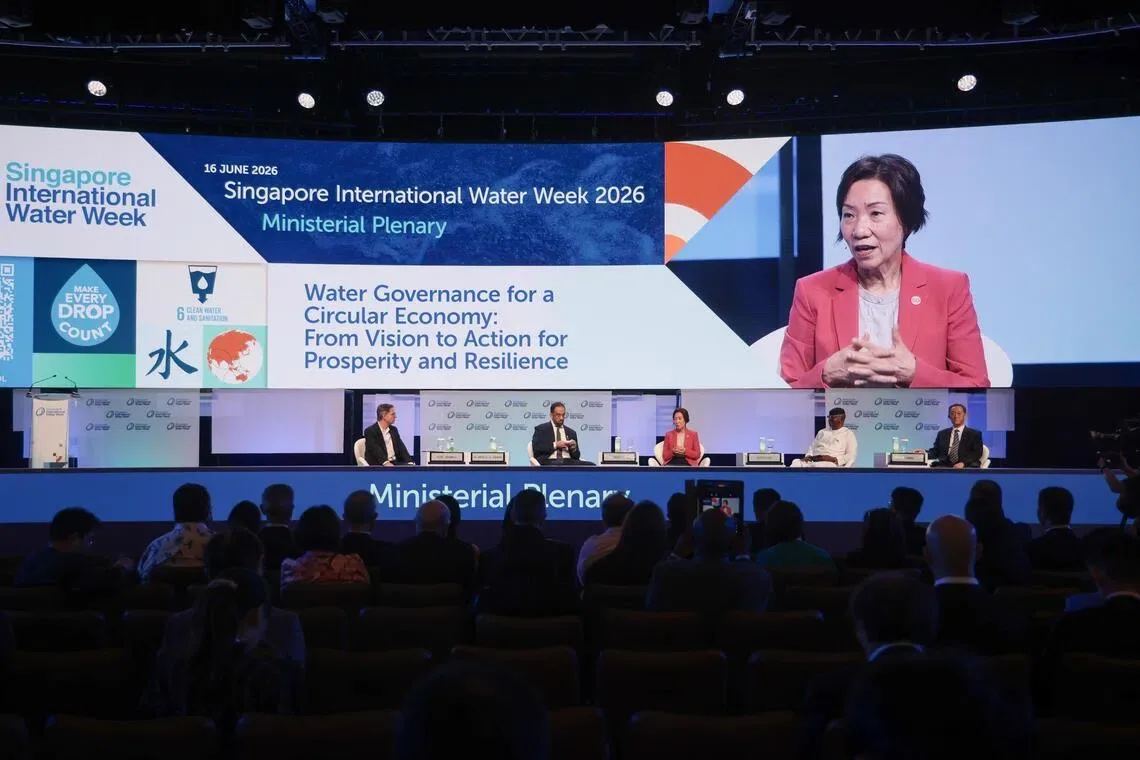
Singapore is intensifying efforts to adopt advanced water technologies aimed at enhancing energy efficiency and climate resilience, amid increasing climate risks affecting its water supplies [1, 2]. The city-state relies on local catchment water and imported water from Malaysia, both highly dependent on rainfall patterns vulnerable to droughts and climate change [1, 2].
Minister for Sustainability and the Environment Grace Fu highlighted the challenges, saying, "If there’s a drought in Singapore, there’s probably a drought in Malaysia, and then what do we do? The first tap will be affected, and second tap will be impacted. So we really have to think about how to generate new sources of water" [1].
To bolster water resilience, Singapore depends on reclaimed water (Newater) and desalinated water. However, desalination is energy-intensive and consumes large amounts of electricity. Improving energy efficiency in water infrastructure remains a top priority, said the Minister [1, 2]. She added, "We are not satisfied with just getting what’s available. We want to invest with the best technology available, so for every new water infrastructure that we put in place, we want to aim for improvement" [1].
Singapore aims to collaborate with industry and international partners to bring in new energy efficiency management tools for water sector investments, Fu noted. "The next phase of our investments is indeed very critical. We want to partner again with the industry, international players that can bring to us new energy efficiency management tools" [1].
Innovation in planning and policy is also emphasized. Large industrial water users such as semiconductor fabs and data centres are encouraged to recycle water on-site to reduce demand and localize waste treatment, thereby improving overall energy efficiency. Fu explained, "When all the industries discharge into one common system, PUB has to deal with a whole host of contaminants to recycle. But if you are able to do it at the local level… that’s actually dealing with fewer chemi" [1].
The Singapore International Water Week in June 2023 provided a platform for Minister Fu to outline these priorities and underscore the importance of advanced technologies in water management [1, 2].
Singapore continues to pursue partnerships and investments in innovative water technologies to secure a sustainable and energy-efficient water future.