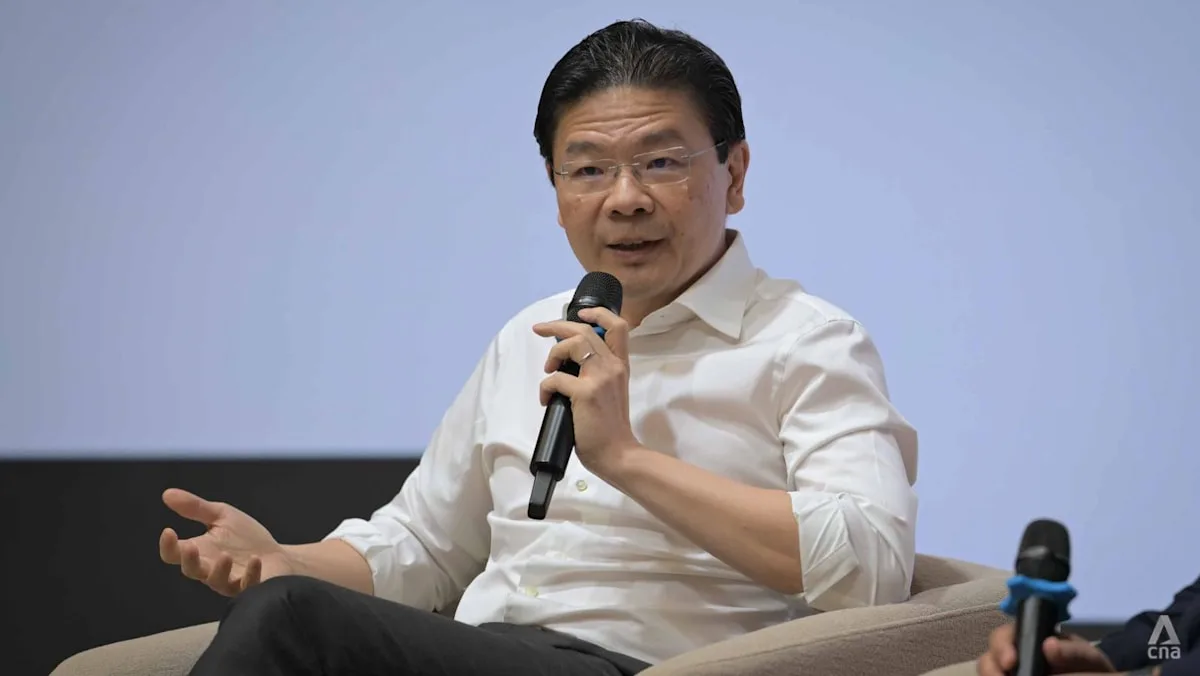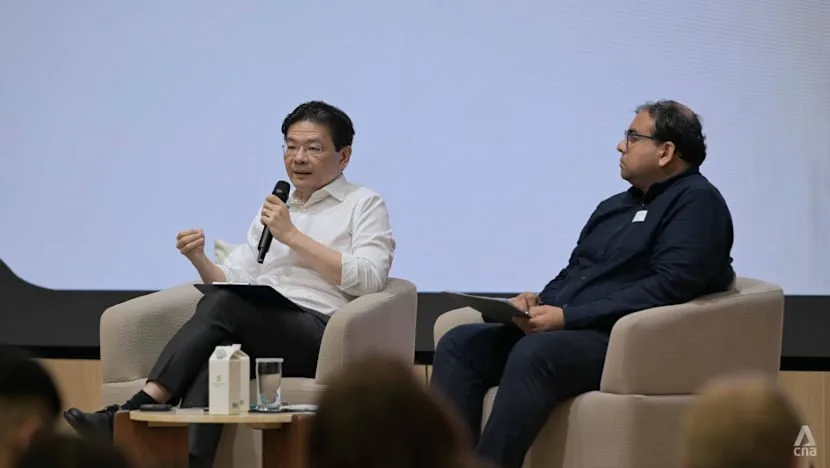
Prime Minister Lawrence Wong said the United States and China are caught in a dynamic of "mutually assured disruption," where actions by one side to impose restrictions on the other provoke reciprocal responses, ultimately leaving both worse off [1, 2]. Wong delivered his remarks at the Singapore Press Club Eminent Speaker Series on June 8, 2026 [1, 2].
Wong drew a parallel to the Cold War concept of mutually assured destruction, saying, "It reminds me of what happened during the Cold War, when people talk about M.A.D – mutually assured destruction – and perhaps now there is a similar dynamic happening, a different type of M.A.D … because any attempt by one side to impose restrictions on another will trigger a response from the other side, and in the end both parties will be worse off" [2].
He stressed the need for both countries to recognize their deep economic interdependence and coexist despite their differences [1, 2]. Wong expressed hope that the "mutually assured disruption" dynamic could act as a stabilizing factor, helping to manage tensions and avoid outright confrontation between the US and China [1].
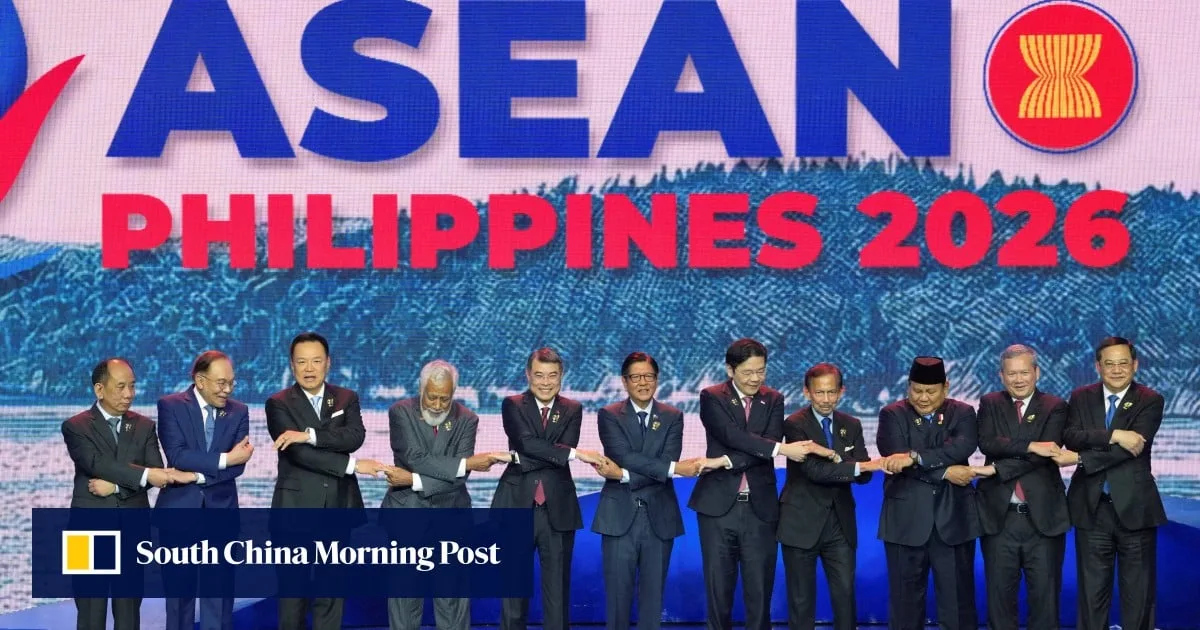
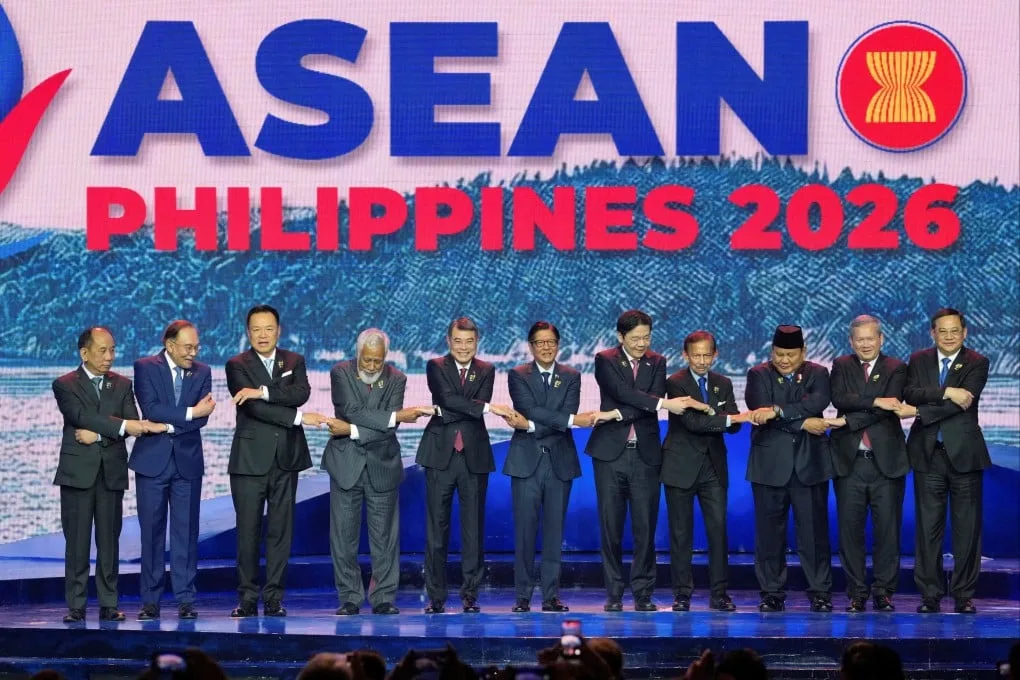
Discussing regional perspectives, Wong noted that Southeast Asian nations want to maintain engagement with both superpowers while also building relations with other global players including the European Union and Gulf Cooperation Council [1]. He said ASEAN does not want a world divided into competing spheres dominated by single powers but prefers an open, inclusive environment engaging all major players [1, 2].
Wong’s comments provide insight ahead of upcoming diplomatic forums where ASEAN’s role amid US-China tensions will be a key topic.