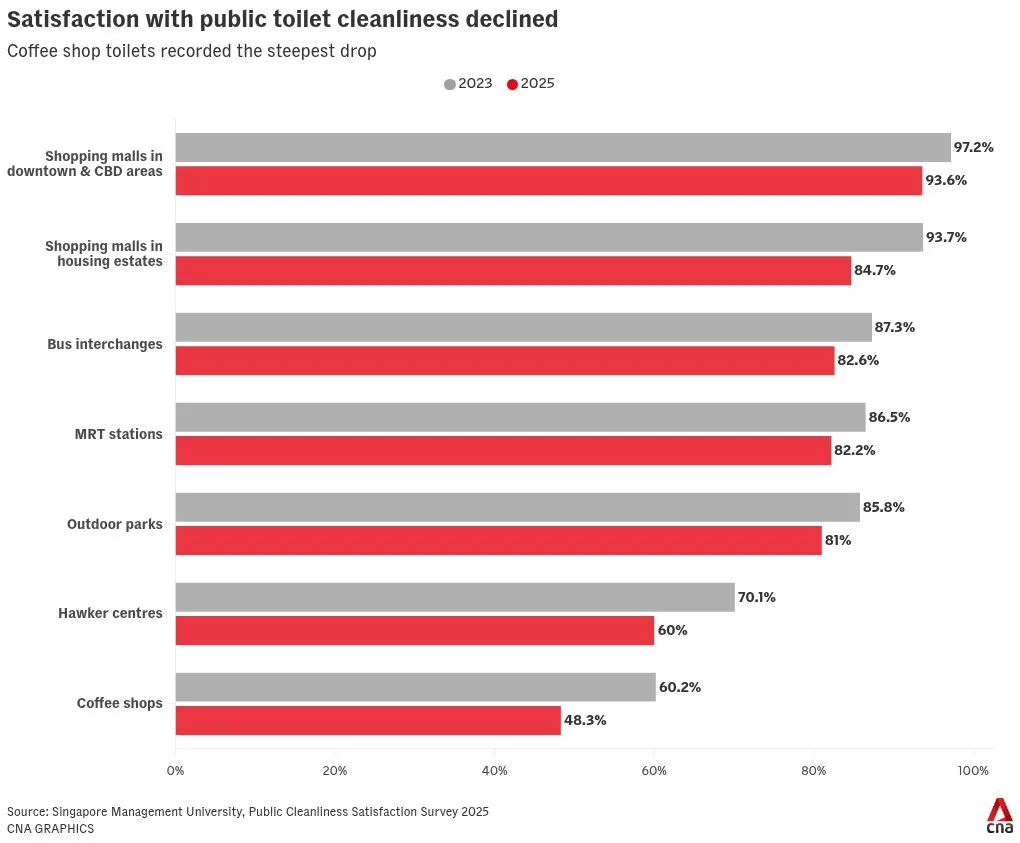
Public cleanliness satisfaction in Singapore fell to 91% in 2025, down from 94% in 2023, according to the latest SMU Public Cleanliness Satisfaction Survey conducted from December 2025 to April 2026 among 2,007 residents and permanent residents aged 21 and above [1].
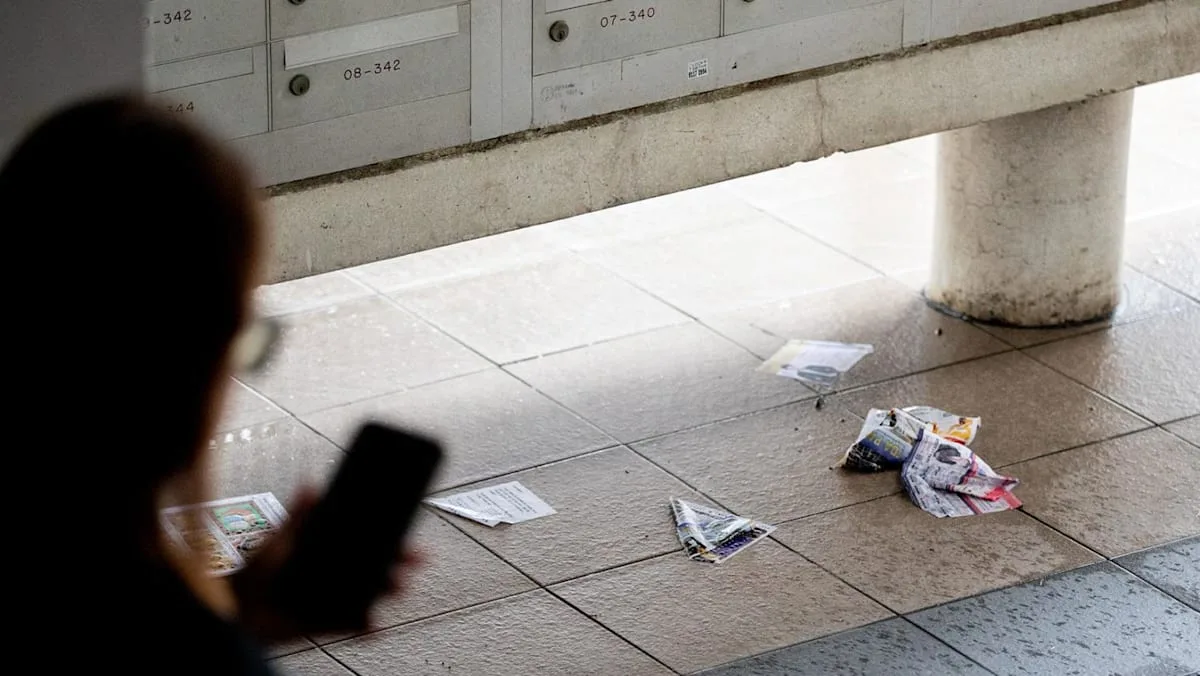
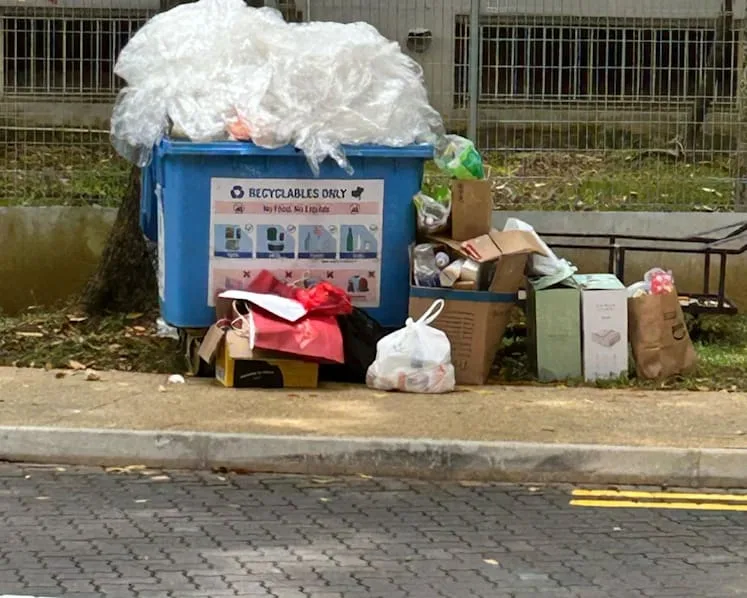
Neighbourhood spaces registered the largest drop in satisfaction, falling from 93.3% in 2023 to 87.4% in 2025. Within these areas, satisfaction with cleanliness at void decks, corridors, and lift lobbies declined from 89.7% to 80.9% over the same period [1, 2, 3]. Public toilets, especially those in coffee shops, experienced a steep decrease in satisfaction, dropping from 60.2% in 2023 to 48.3% in 2025 [2, 3].
Satisfaction with transportation nodes and leisure venues remains among the highest but also saw slight declines, the survey showed [1].
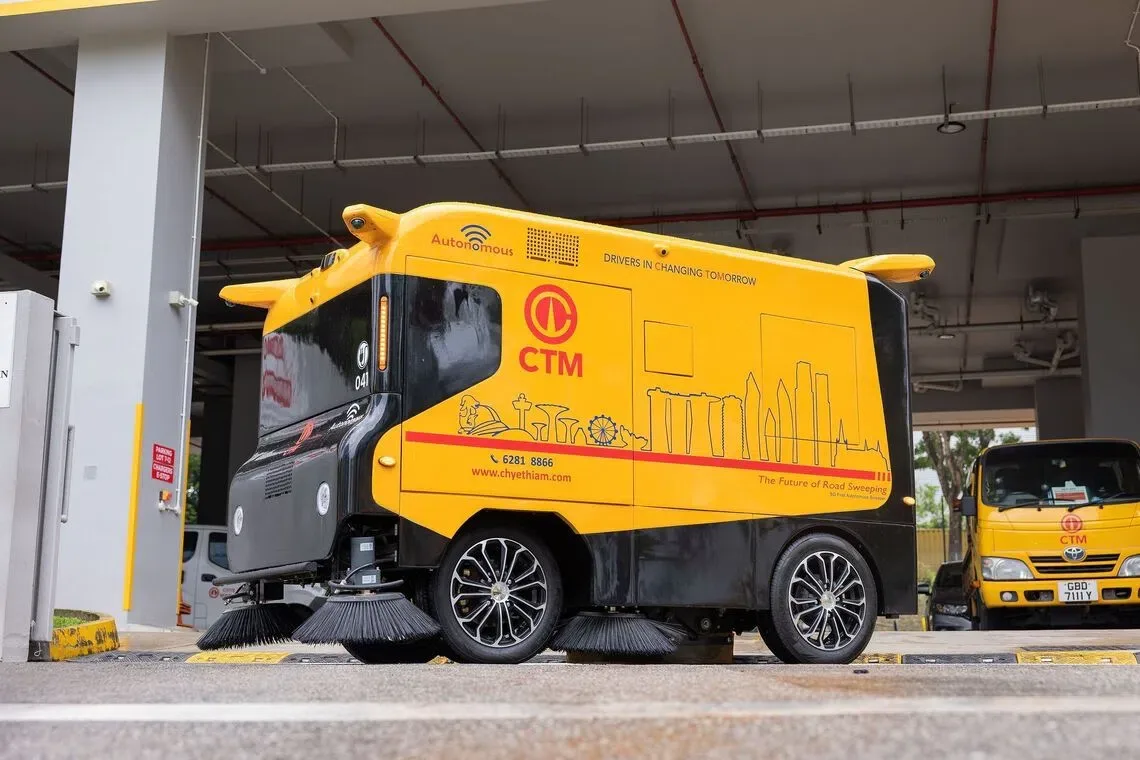
In response, the National Environment Agency (NEA) has progressively deployed autonomous pavement sweepers to enhance cleaning efforts. The first deployment was in Bishan-Ang Mo Kio Park in July 2025. Since April 2026, these autonomous sweepers have been operating in Esplanade Park and East Coast Park, with plans to extend their use to more parks and park connectors [2, 3]. NEA stated that the sweepers "could potentially deliver up to 30 per cent productivity savings for routine pavement cleaning" [2].
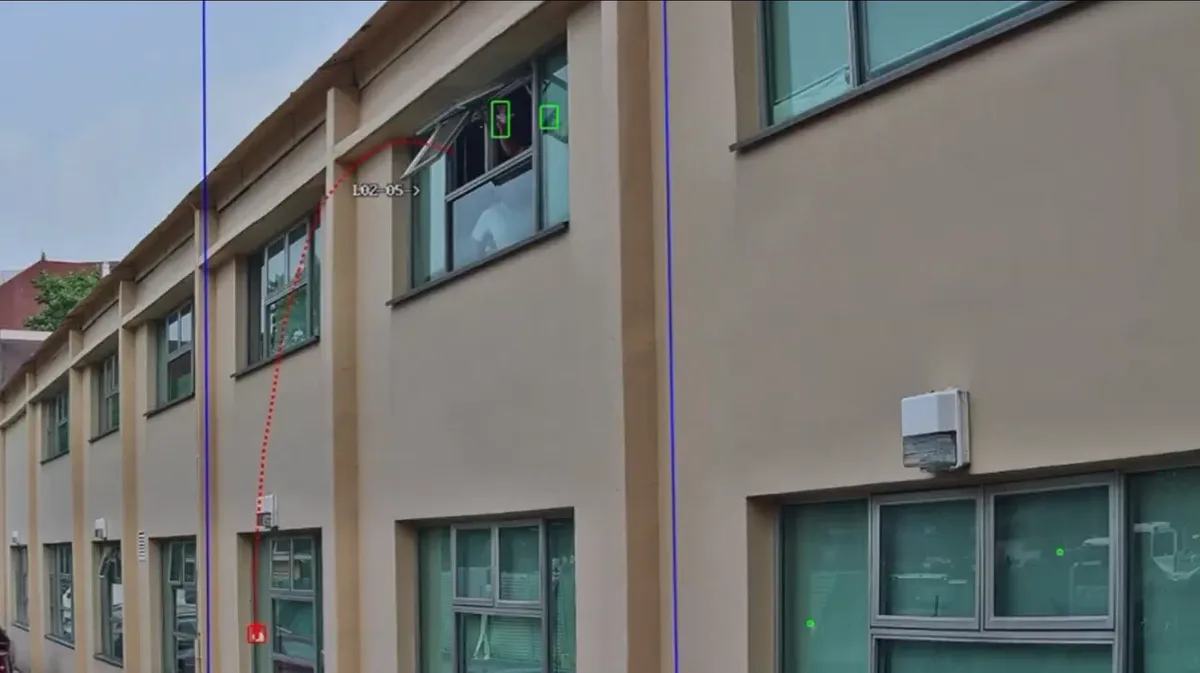
NEA also intensified enforcement actions against poor toilet cleanliness in coffee shops, taking about 150 enforcement actions in the first half of 2026 and over 200 actions in 2025 for related offences [2, 3]. The agency employs technology, including software to trace litter thrown from high-rise flats, to catch offenders [2, 3].
The next phase of autonomous sweeper rollouts is expected to cover additional public parks and connectors as part of NEA's ongoing efforts to maintain cleanliness standards.