The Civil Defence Shelter and Fire Safety (Miscellaneous Amendments) Bill was introduced in Singapore’s Parliament on August 4, 2026, to enhance regulatory powers and improve safety standards related to bomb shelters and fire safety measures [1, 2, 3, 4, 5].
The Bill grants the Singapore Civil Defence Force (SCDF) new authority to take action against suppliers of non-compliant bomb shelter products, such as household or storey shelter doors. Currently, SCDF can act mainly against certification bodies but lacks direct powers over suppliers or manufacturers of these products [1, 2, 3, 4, 5].
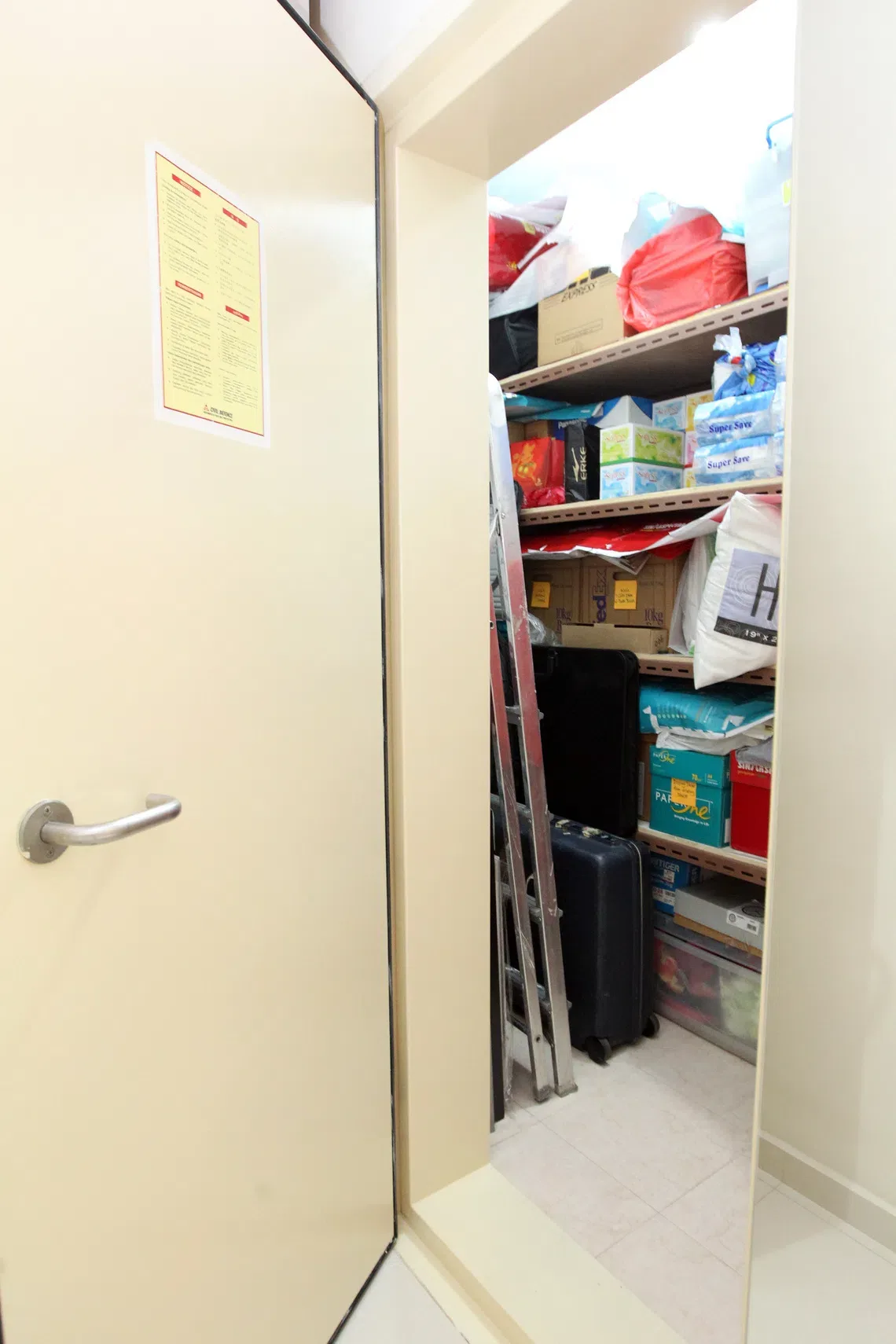
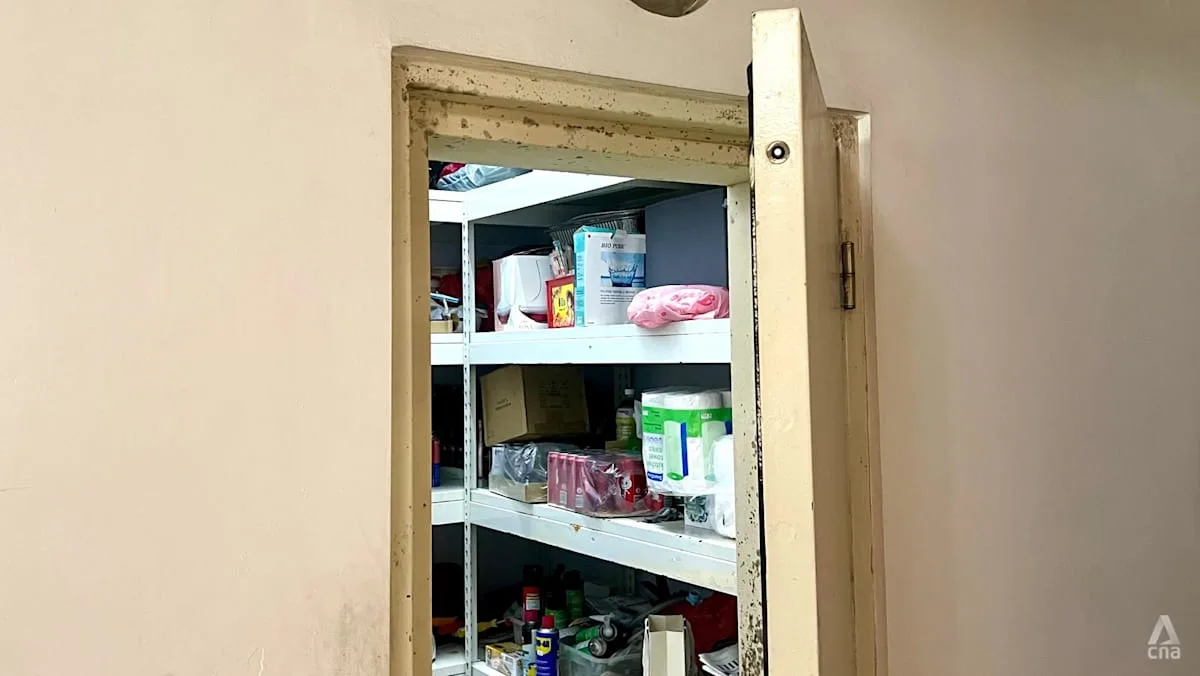
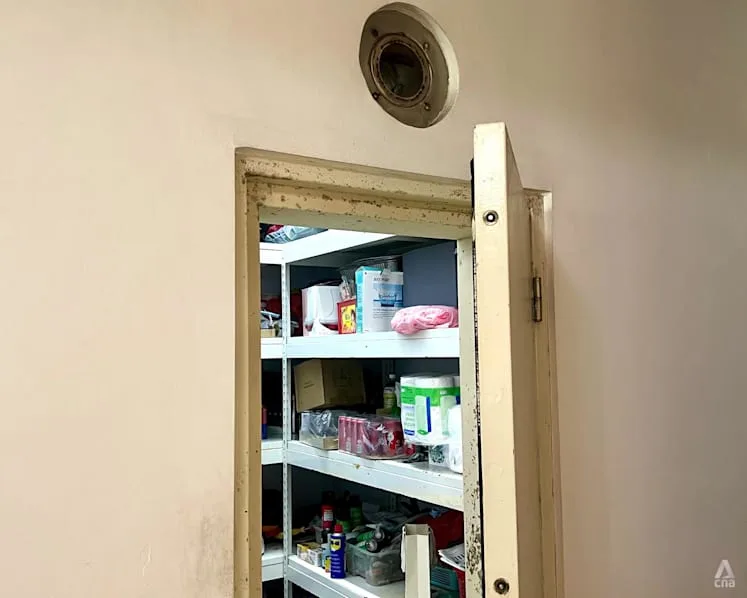
Under existing law, the Civil Defence Shelter Act requires all new housing and flats to be equipped with household or storey shelters designed to protect occupants from weapons effects in emergencies. Owners and occupants are prohibited from modifying or removing shelter doors or ventilation openings [1].
In addition to expanding enforcement powers, the Bill proposes extending the maximum validity of fire safety licences and permits from three years to five years. This change aims to reduce compliance burdens on businesses involved in fire safety-related activities [2, 3, 4, 5].
The Bill also introduces a class licensing regime for lower-risk petroleum and flammable materials. Eligible premises will be able to store, transport, import, and handle these materials under class licence conditions without requiring individual licence approvals. However, higher-risk activities will continue to require individual licences [2, 3, 4, 5].
To strengthen oversight, the Bill allows the appointment of supplementary enforcement officers who will conduct compliance checks on the transport of petroleum and flammable materials [2, 3, 4, 5].
Other provisions include more flexibility for the tenure of inquiry panels and the repeal of the Chemical Weapons (Prohibition) (Amendment) Act [2, 3, 4, 5].
So far, SCDF has not found any cases of non-compliant bomb shelter products in the market [1]. The Bill is now under parliamentary consideration following its August 4 introduction.