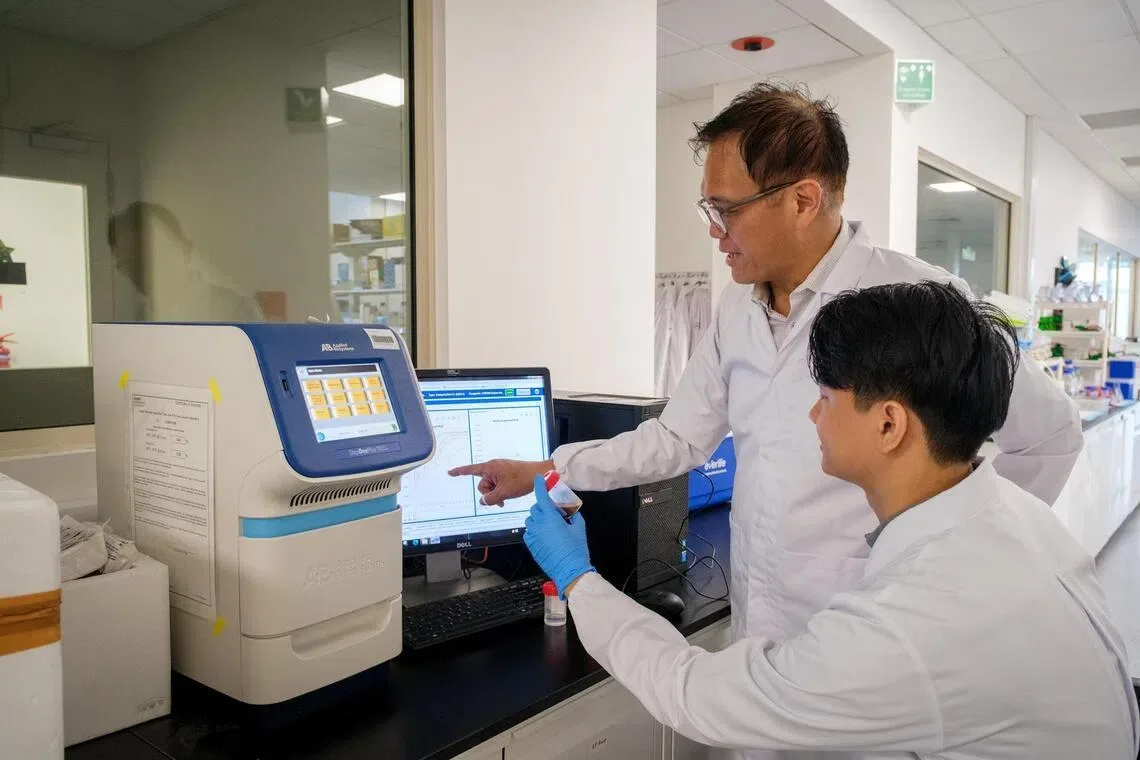
Scientists at Nanyang Technological University’s LKCMedicine have identified gut protein Angptl4 as a key factor connecting diet, gut bacteria, and liver health, with low Angptl4 increasing fatty liver disease risk [1, 2, 3, 4, 5]. The study, led by Andrew Tan, associate professor and vice-dean of innovation and enterprise, involved preclinical models and human cohorts from Singapore, Thailand, China, and India, and took three to four years to complete [1, 2, 3, 4, 5].
Faecal Angptl4 levels proved a robust early biomarker for fatty liver disease, outperforming traditional blood serum tests. The findings point to liver damage beginning in the gut, not solely the liver itself. Damien Chua, a doctorate student and principal investigator, noted, "Doctors used to think fatty liver primarily affects the liver itself, but actually the damage starts early on in the gut" [1].
The team measured Angptl4 in faecal samples, showing how diet modifies gut bacteria, which then influence protein levels and liver health. Andrew Tan explained, "We know what we eat changes the bacteria in the gut, so we intentionally picked these three countries that are very different in their dietary intakes... and, hopefully, similar to that of Singapore" [1].
Traditional blood serum markers were found less aligned with disease progression than faecal biomarkers. "They tend to use serous markers from blood samples, but we found from our cohort studies that these do not actually align properly, so they were not as robust as we thought they were," Chua said [1].
The research utilized diverse patient data from four countries and spanned multiple years, enhancing its relevance across Asian populations [1, 2, 3, 4, 5]. Integrating faecal Angptl4 testing into Singapore’s Healthier SG program is proposed to offer a cost-effective way to monitor and intervene early in fatty liver disease cases [1, 2, 3, 4, 5].