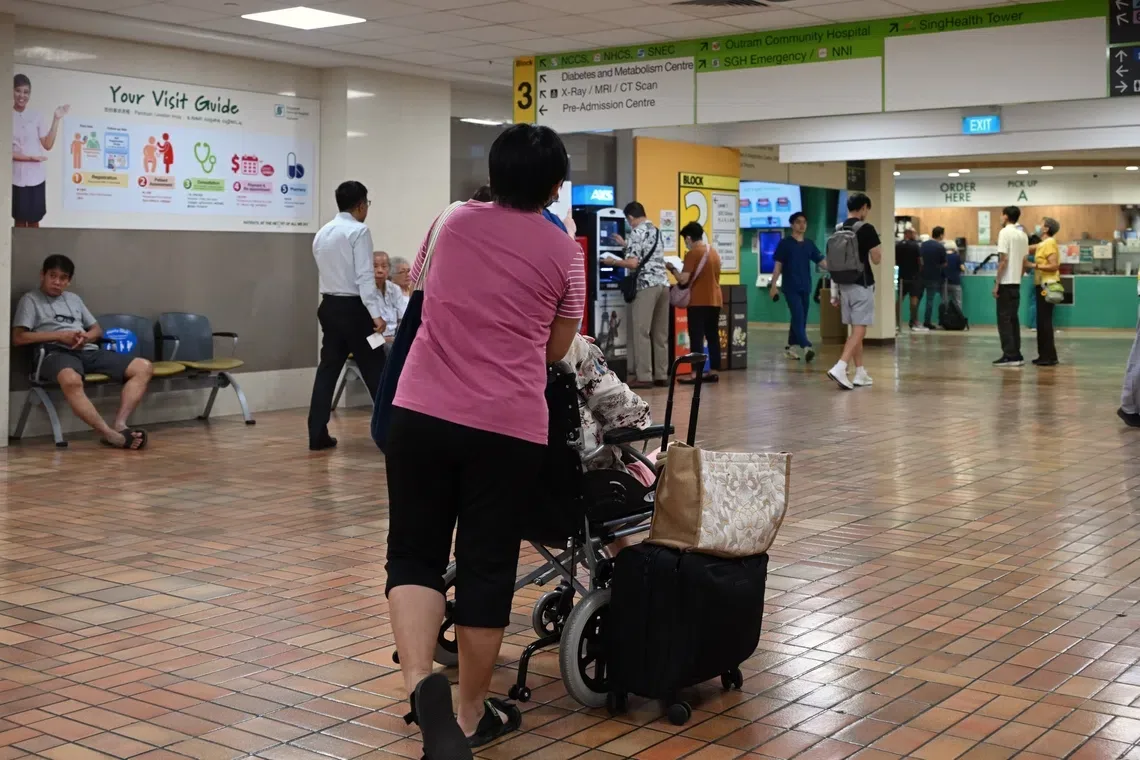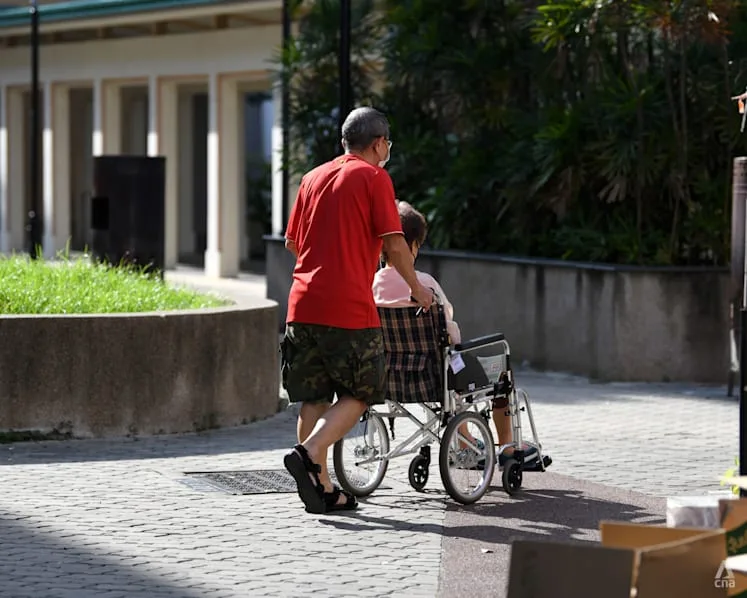
Singapore will broaden eligibility criteria for four government financial support schemes to help caregivers of people with intellectual disabilities or autism from 2027. The changes will include those with significant care needs not captured by existing Activities of Daily Living (ADL) assessments, Health Minister Ong Ye Kung said today at the Home Nursing Foundation’s 50th anniversary caregiving conference [1, 2, 3, 4, 5].
The four affected schemes are the Home Caregiving Grant (HCG), the Migrant Domestic Worker Levy Concession for Persons with Disabilities, the Caregivers Training Grant, and the Pioneer Generation Disability Assistance Scheme. The HCG currently provides up to SGD 600 monthly for those needing help with at least three ADLs, such as feeding, dressing and toileting [1, 2, 3, 4, 5].
Ong noted, "There is a small group of people with intellectual disabilities or autism who have significant care needs but may not qualify for the grant. They may be able to perform the ADLs, but they have significant care needs and are not adequately reflected by an ADL assessment" [1]. This broadened criteria will address that gap.
The levy concession for employing migrant domestic workers with disabilities will be lowered from SGD 300 to SGD 60, easing financial burdens for families requiring live-in caregiving help [2, 3, 4, 5].
Eight Caregiver Support Touchpoints (CST) will be established across the island: five at aged care service providers in Tiong Bahru-Redhill, Toa Payoh, Bedok, Bukit Panjang and Yishun; and three at Enabling Services Hubs in Tampines, Punggol and Jurong. The CSTs will offer easier access to community, emotional and moral support to caregivers, helping them navigate caregiving challenges [1, 2, 3, 4, 5].
Ong said, "Whether their loved one is a senior, person with a disability, (has) dementia, (is) facing mental health challenges or a serious illness, caregivers can approach any CST and simply ask: ‘I am a caregiver. What should I do?’" [2].
A 2023 National Council of Social Service study found that financial assistance and subsidies were top services needed by caregivers of persons with disabilities. However, many struggled to access them due to complicated applications or ineligibility [2, 3, 4, 5].
The expanded eligibility and new support touchpoints aim to reduce these barriers. The changes and new CSTs will take effect from 2027 [1, 2, 3, 4, 5].