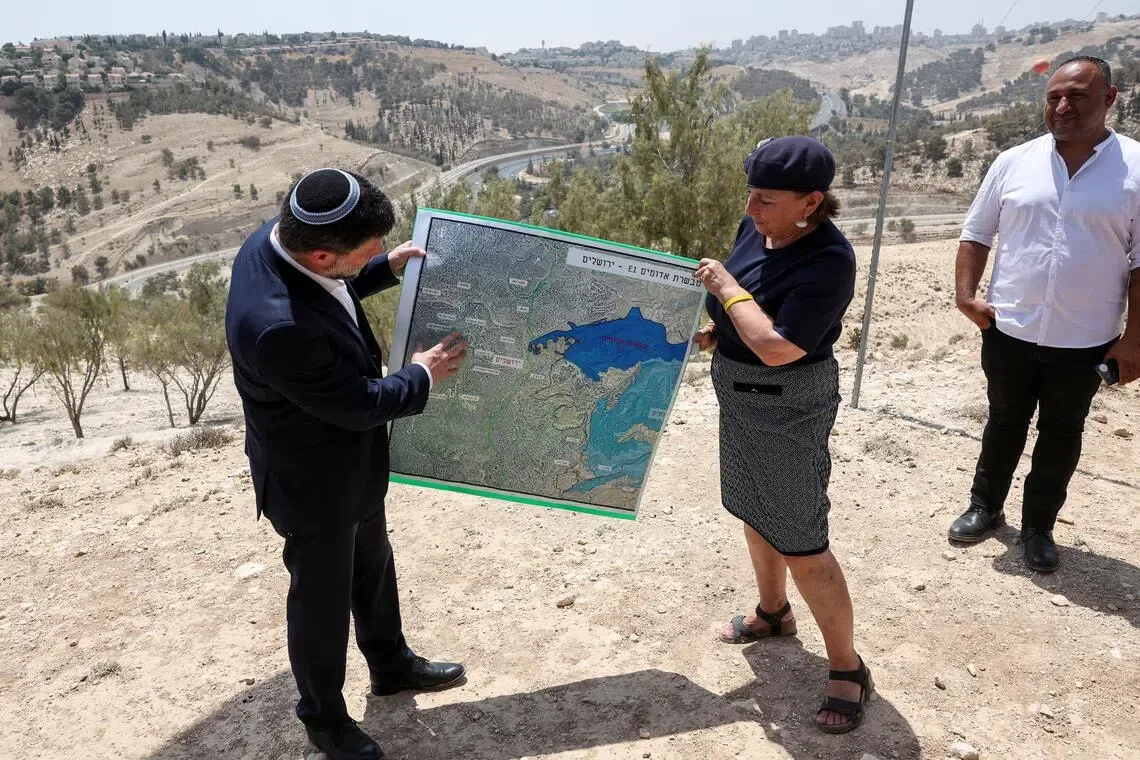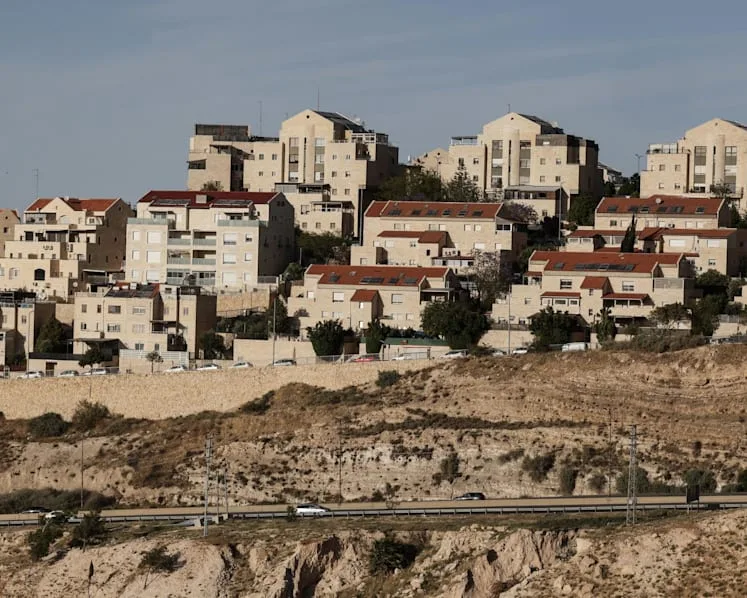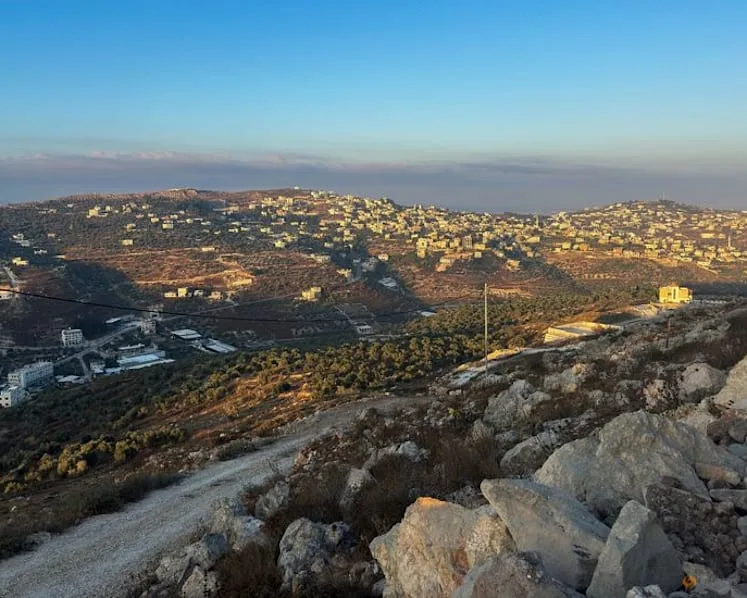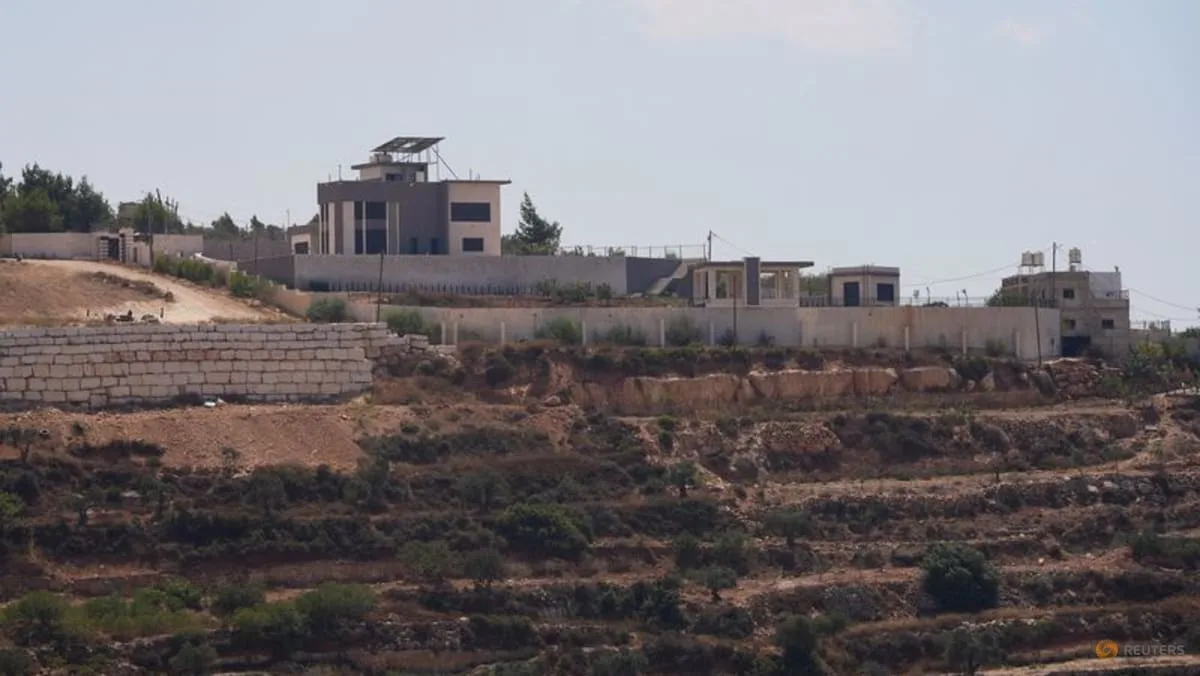
The Israeli government opened tenders on August 18, 2026, for the construction of over 1,200 housing units in the E1 area, a sensitive tract of land east of East Jerusalem in the occupied West Bank [1, 2, 3]. The E1 plan envisions eventually building about 3,400 homes on roughly 12 square kilometers between East Jerusalem and the Israeli settlement of Maale Adumim [2]. About 3,700 Palestinians, mostly Bedouin living in 18 villages, reside in the E1 area [1].
On August 24, Singapore's Ministry of Foreign Affairs issued a statement calling the Israeli settlements in the West Bank illegal under international law and urged Israel to halt its expansion plans in E1 [1, 2, 4]. A Singapore MFA spokesperson said, "Singapore urges the Israeli government to halt these settlement expansion plans." The statement expressed deep concern over increased settler violence against Palestinian civilians in the West Bank and called on Israel to prevent such violence and hold perpetrators accountable [1, 2, 4].
Singapore reaffirmed that "a negotiated two-state solution, consistent with the relevant United Nations Security Council resolutions, remains the only viable pathway to a comprehensive, just, and durable peace," underscoring the diplomatic framework favored by the international community [2].
Two days later, on August 26, U.S. Representative Gregory Meeks publicly urged then-President Donald Trump to intervene and demand Israel halt the E1 settlement plans [3]. Meeks said, "International law is clear that Israeli settlements in the West Bank are illegal. For decades, U.S. administrations of both parties have recognized the uniquely dangerous consequences of construction in this area because it would further fragment the West Bank, separate East Jerusalem from Palestinian population centers, and severely undermine the viability of a future Palestinian state." He added, "President Trump must make clear to Prime Minister Netanyahu that the United States will not stand by while E1 moves forward and should demand that these plans be halted immediately and that no further steps toward construction are taken."
The controversy surrounds a West Bank population of around 3 million Palestinians (excluding East Jerusalem), with some 500,000 Israeli settlers living in the West Bank excluding East Jerusalem [2]. The E1 housing tender for over 1,200 units forms part of a larger expansion plan that opponents say risks fragmenting the territory and complicating a two-state solution [1, 2, 3].