Singapore's migrant domestic worker population reached a six-year high of 316,900 in 2025, a 28% increase from 247,400 in 2020 [1, 2, 3].
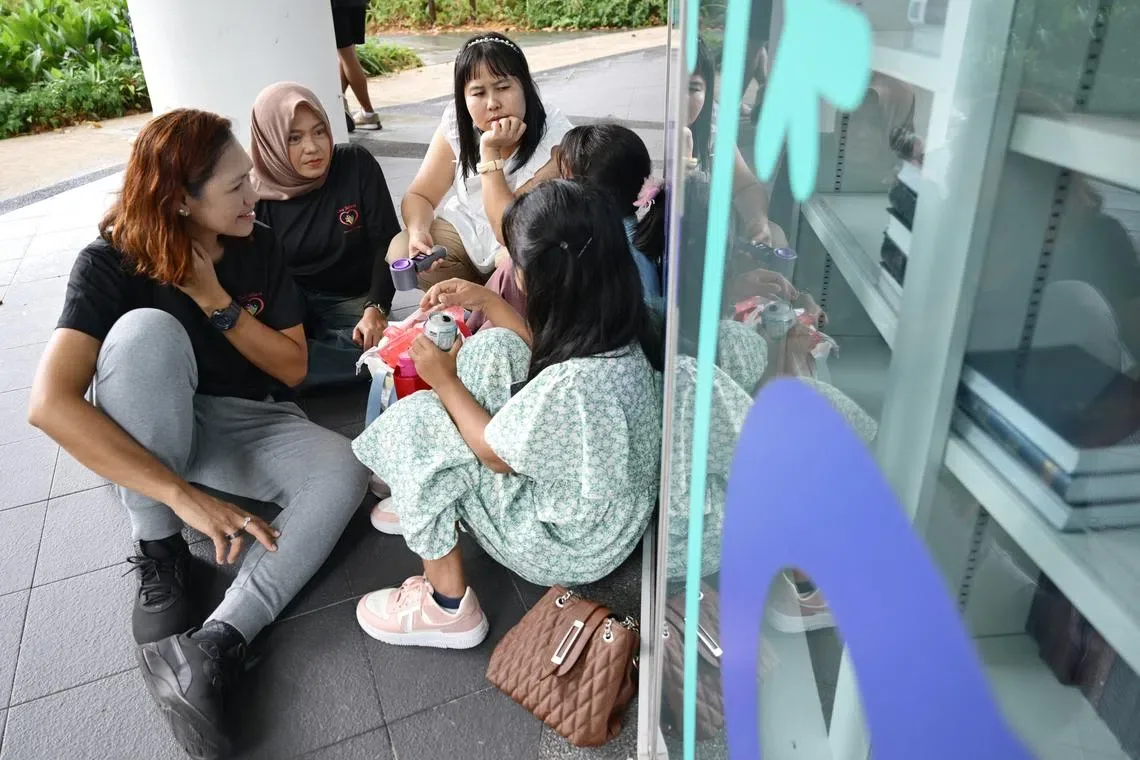
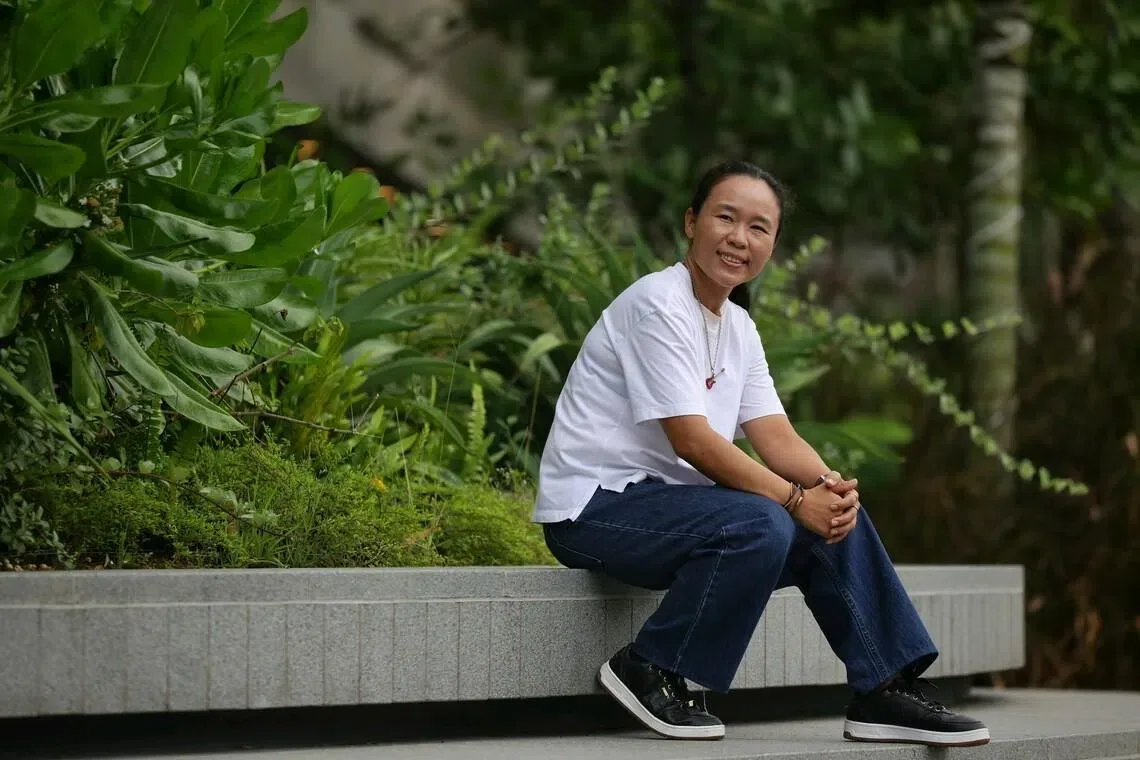
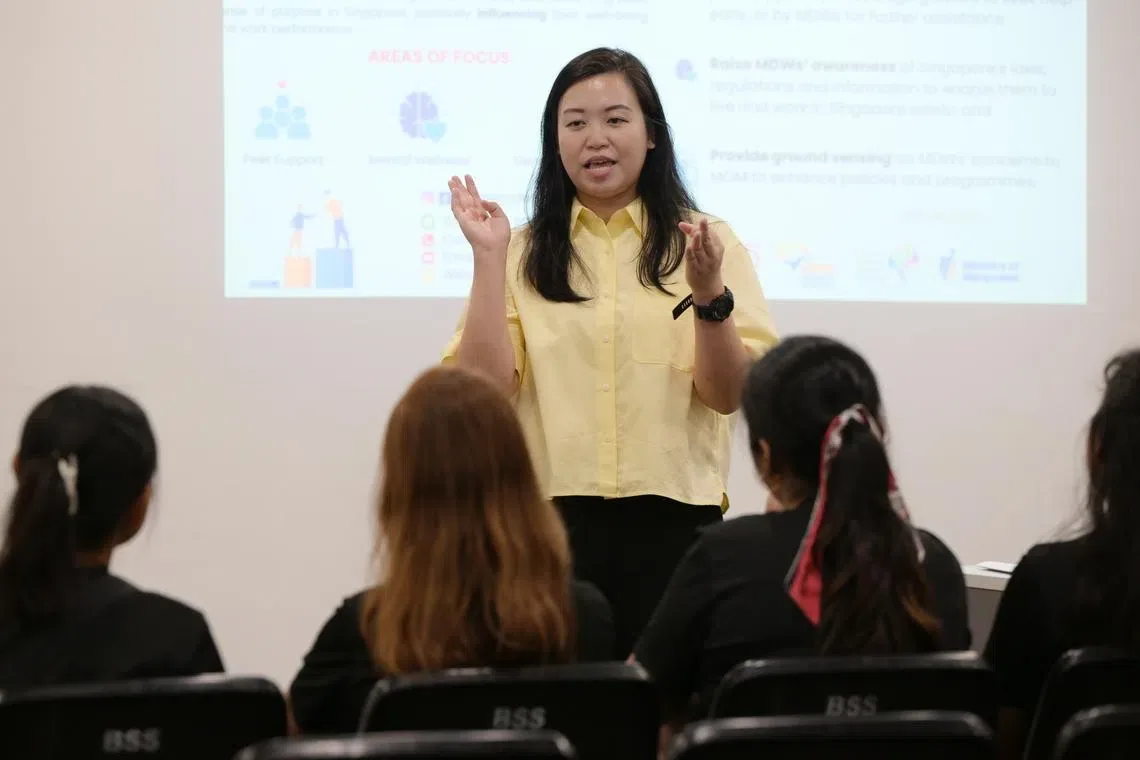
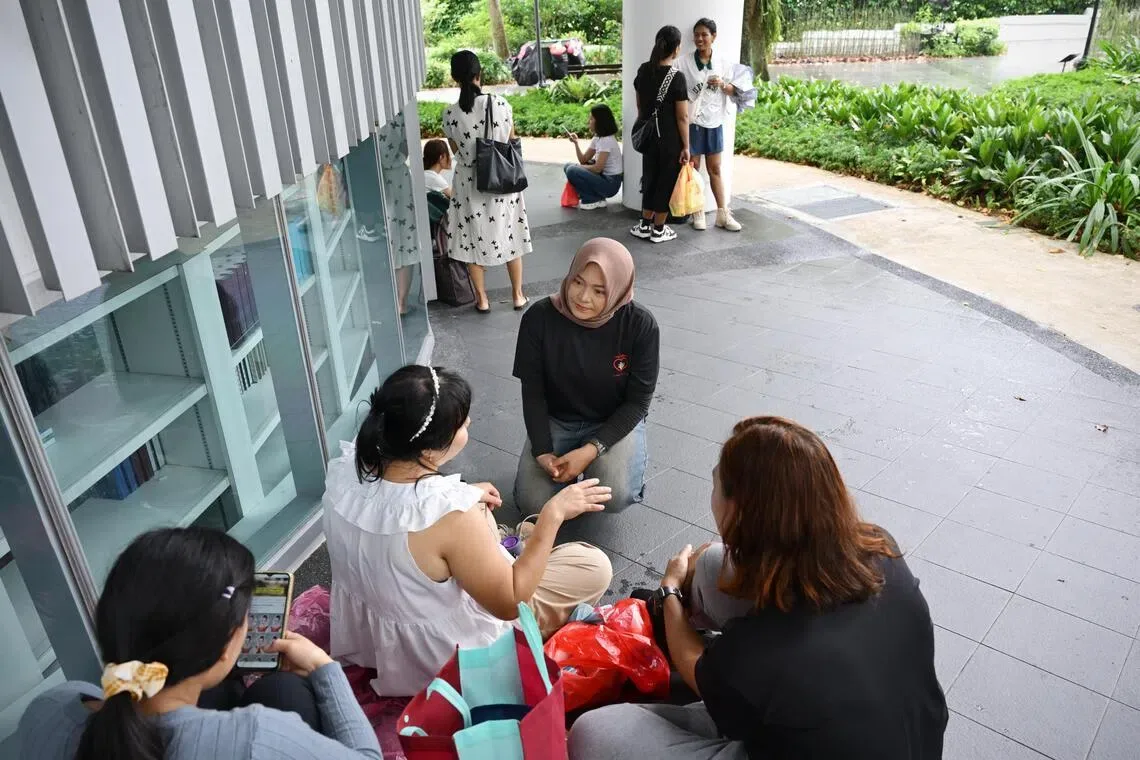
The Care Sisters peer support network, managed by the Ministry of Manpower and the Alliance of Domestic Employees Outreach, expanded rapidly to about 1,000 members in 2025 from roughly 180 in 2022 [1, 2, 3]. The network offers informal peer-to-peer mental well-being support preferred by many migrant domestic workers because of shared experiences and relatability. Catherine Gonzaga Suarez, a Care Sisters member, said, "They don’t hesitate to call because we’re the same. Friend to friend" [1].
Many migrant domestic workers still avoid formal mental health services due to stigma and fears of job loss. A cited case involved a battered worker who confided only in a fellow helper and did not report to authorities out of fear, illustrating reluctance to seek formal support [1, 2, 3].
The National Trades Union Congress’ Centre for Domestic Employees has worked actively on mental health awareness, offering a 24-hour helpline and activities that engaged about 3,000 domestic workers annually over the past five years [1, 2, 3]. Michael Lim, NTUC’s migrant workers segment director, noted, "Given the amount of publicity that’s been put in, awareness shouldn’t be an issue. But workers are still not coming forward enough" [1].
Employers have been urged to better understand early signs of mental health struggles among domestic workers and intervene promptly [1, 2, 3].
The ongoing expansion of peer support and advocacy efforts continues alongside a growing migrant domestic worker population that reached a record level in 2025 [1, 2, 3].