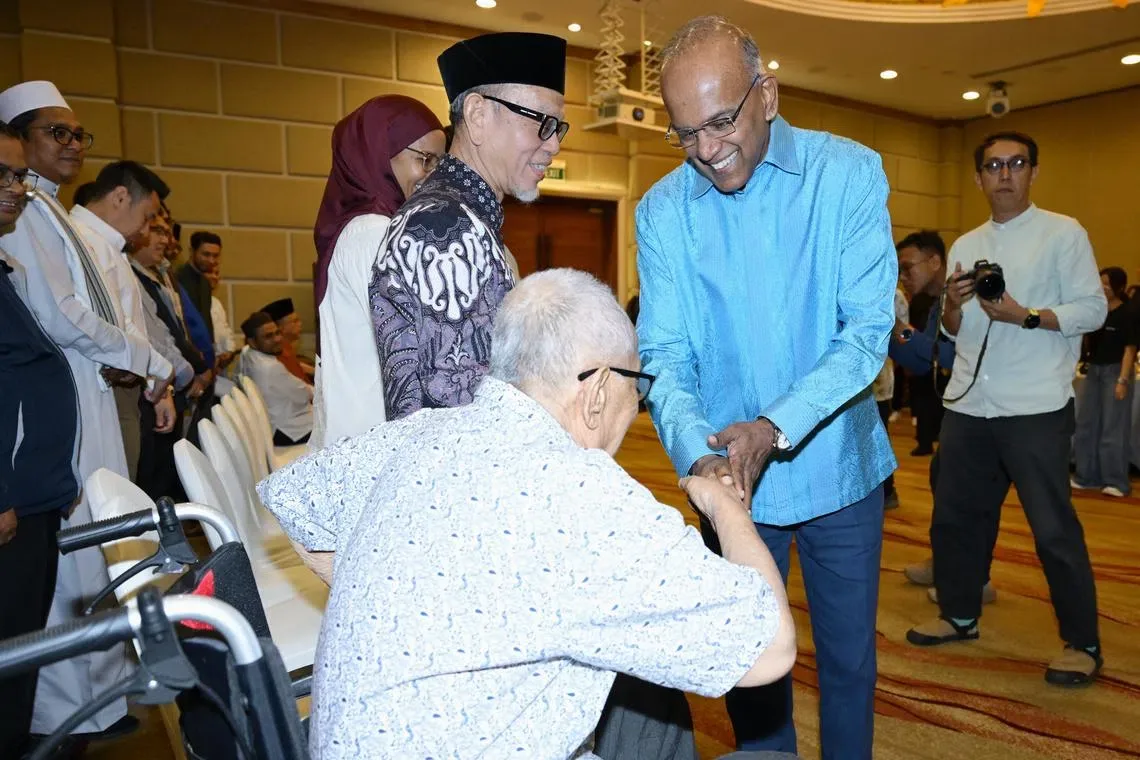
Singapore’s Religious Rehabilitation Group (RRG) is building new capabilities to understand how artificial intelligence (AI) and digital platforms accelerate radicalisation, officials said. [1, 2, 3, 4]
Coordinating Minister for National Security K. Shanmugam explained that since the RRG was set up in the early 2000s to counsel detainees from Jemaah Islamiyah, the nature of radicalisation threats has evolved. Digital platforms now make radicalisation faster and more engaging. "Digital platforms have increased interactivity – the algorithms feed you. If you look at certain things, the algorithms keep feeding you more of the same stuff. Extremist content is now very directed. It’s very personalised, it’s very engaging, and it’s available (and) plentiful. So, it has accelerated the speed at which radicalisation happens," Shanmugam said. [1]
He added: "Now with artificial intelligence, these risks are increasing even more." [1]
RRG research shows that AI and algorithms on digital platforms have reduced the average time it takes for an individual to be radicalised from two years down to one year. In some cases, youth have been influenced in just days. [1, 2, 3, 4]
Two recent cases highlight this change. In 2024, a 17-year-old was detained weeks before a knife attack in Tampines. The youth had used AI to produce his attack manifesto and ISIS pledge. [1, 2, 3, 4] He was issued a two-year detention order. [1, 2, 3, 4] Another youth was detained in 2025 for planning shootings at mosques and had considered 3D-printing firearms. [1, 2, 3, 4]
To counter these evolving threats, RRG is adapting by engaging experts and exploring AI tools for counselling. They have expanded digital outreach, including launching a WhatsApp channel aimed at building resilience among youth. [1, 2, 3, 4]
Shanmugam noted that the Middle East is more unstable now than during the early 2000s, contributing to a changing threat landscape. [1, 2, 3, 4]
The Religious Rehabilitation Group was established in the early 2000s to help rehabilitate detainees linked to Southeast Asian militant groups like Jemaah Islamiyah. [1, 2, 3, 4] On June 2, 2023, Shanmugam spoke at RRG’s annual retreat, detailing the growing challenges AI and digital platforms pose to counter-radicalisation efforts. [1, 2, 3, 4]
RRG continues to develop methods and digital channels to engage at-risk youth in light of faster and more personalised online radicalisation.