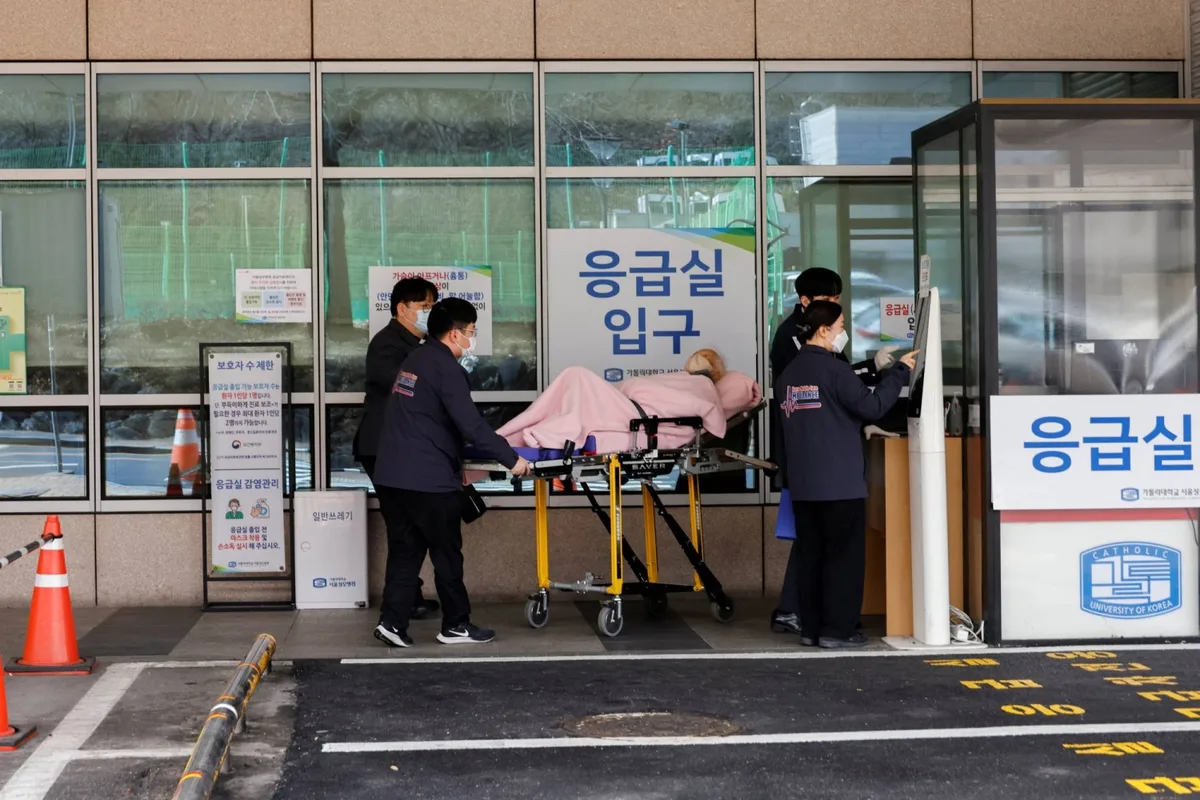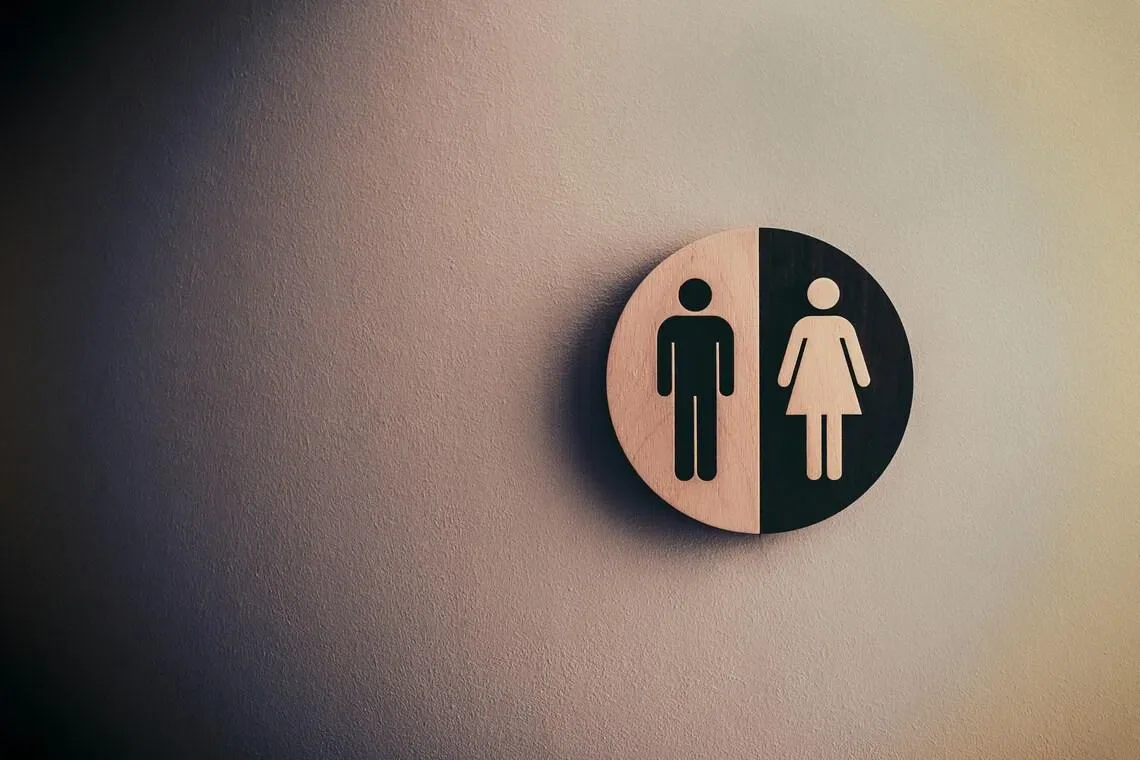
South Korea has scrapped a proposal to end mandatory gender segregation in hospital inpatient rooms following strong public opposition [1, 2].
The health ministry unveiled the gender-neutral room plan in May 2026 as part of broader reforms aimed at making it easier for family members and couples to share hospital rooms [1, 2]. However, after receiving over 4,000 comments opposing the plan on the government’s legislative notice website, officials confirmed its withdrawal on June 2, 2026 [1, 2].
A health ministry official said, "Gender segregation will be maintained as under the current system" [1, 2]. The existing gender segregation rules remain unchanged. Hospitals continue to be required to separate men and women in inpatient rooms except in intensive care units and in two-bed rooms occupied by family members [1, 2].
Violations of the gender segregation rules can lead to suspensions of up to 15 days, according to current regulations [1, 2]. The ministry had argued that a formal regulation allowing mixed-gender rooms was unnecessary since some hospitals already permitted married couples to share two-bed rooms [1, 2].
Opponents of the plan cited concerns about privacy and safety risks, including fears of potential sex crimes targeting female patients. One anonymous commenter described the proposal as "an ignorant bill that disregards the fear and anxiety of female patients," while another warned, "There could be a possibility of sex crimes targeting women" [1, 2].
South Korea, known as a global technology and cultural powerhouse, remains socially conservative on issues of gender and privacy [1, 2]. Countries such as Japan and Canada have introduced gender-neutral hospital facilities, sparking international debate about patient safety and inclusivity [1, 2].
With the withdrawal of the plan, South Korean hospitals will continue enforcing gender segregation in inpatient rooms with the current exceptions. The health ministry confirmed it will uphold existing rules going forward [1, 2].