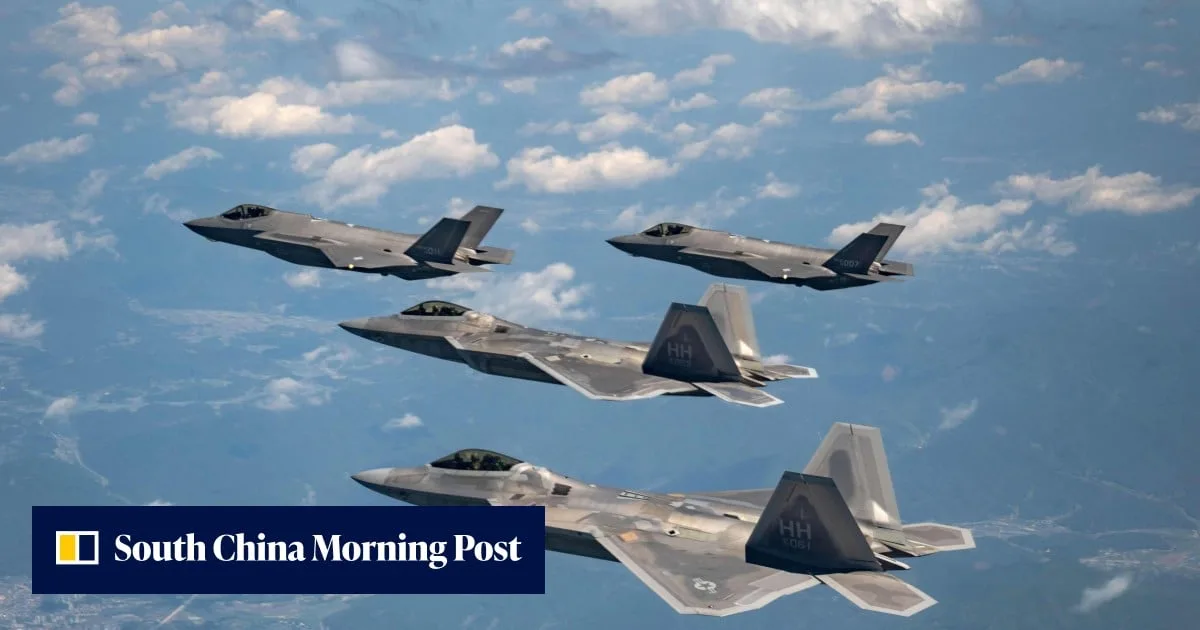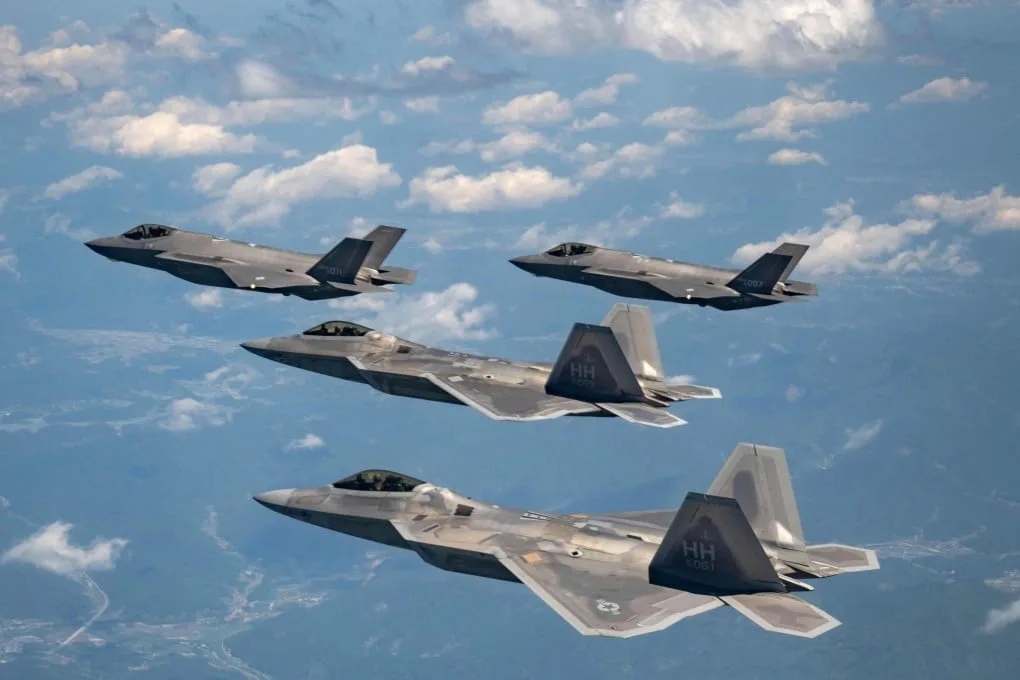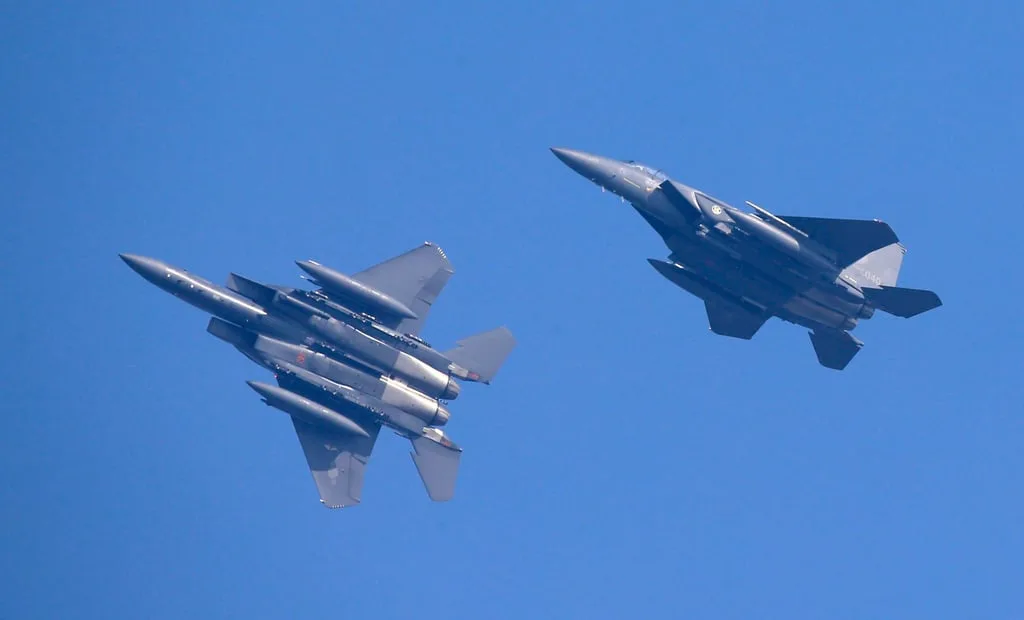
South Korea scrambled fighter jets on August 26 after multiple Russian military planes entered its air defence identification zone (ADIZ) over the East Sea, also known as the Sea of Japan [1, 2, 3]. The Russian aircraft did not cross into South Korean sovereign airspace but flew within the ADIZ, a buffer zone where countries require foreign aircraft to identify themselves for security reasons [1, 2, 3].
South Korea’s defence ministry said the military detected the Russian aircraft before they entered the zone and deployed Air Force fighters to prepare for any contingency [1]. The incident marks the second incursion in recent weeks by China and Russia, after more than 10 military aircraft from both countries entered South Korea’s ADIZ in late June [1, 3].
Beijing described the June flights as a "strategic air patrol" over regional waters including the Sea of Japan, the East China Sea and the western Pacific, while Moscow said the patrol was part of normal military cooperation and was not directed against third countries [1]. South Korea has lodged protests with both Beijing and Moscow, demanding steps to prevent such incursions from recurring [1, 3].
Tensions between South Korea and Russia have increased since Seoul joined Western sanctions against Russia over its invasion of Ukraine. This has coincided with expanding ties between Russia and North Korea [1, 3].
The ADIZ is not sovereign territory but a designated area where countries monitor and control foreign aircraft to ensure national security [1, 2, 3]. South Korea’s quick response by scrambling jets reflects heightened vigilance following the June airspace breaches.
South Korea will continue monitoring its ADIZ closely as geopolitical tensions remain strained. Further diplomatic exchanges on the incidents are expected in coming weeks [1, 3].