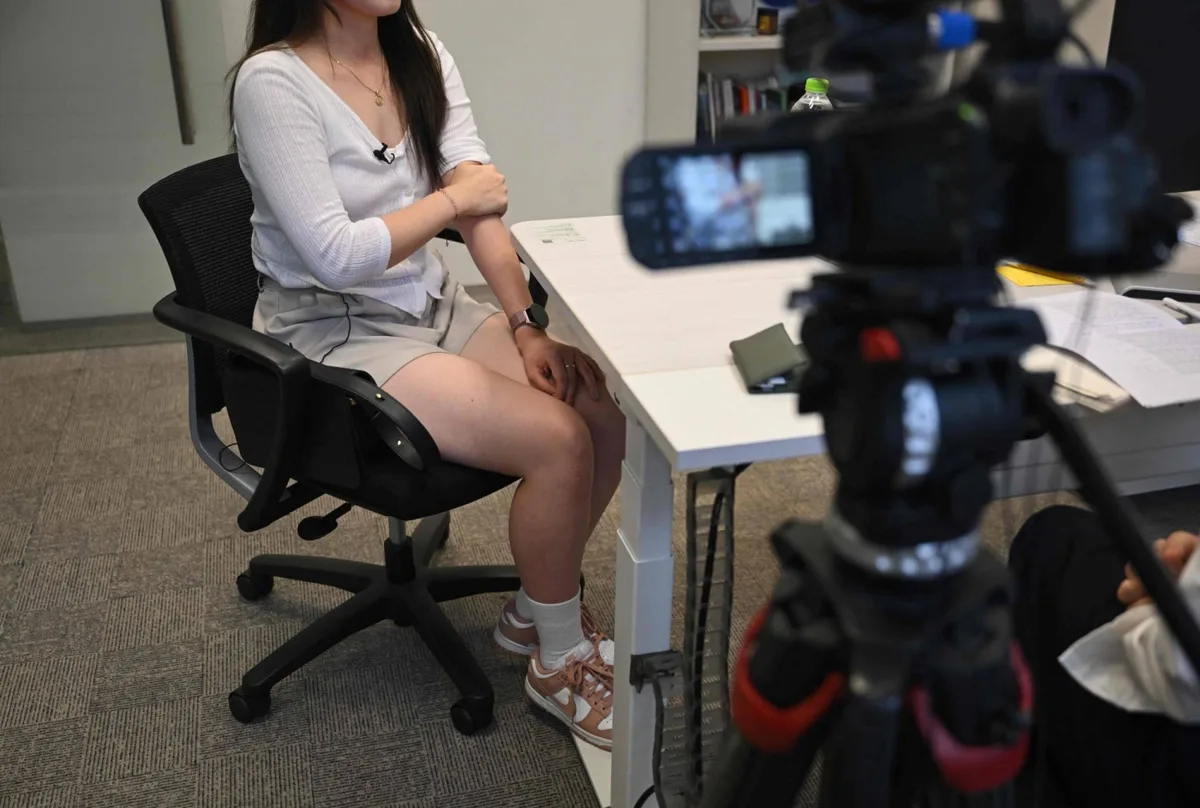
Baek Song-yi, a 40-year-old South Korean advocate, reported verbal harassment from her boss at a U.S.-based firm with overseas offices. She refused to sign a company confidentiality agreement that would have barred her from disclosing information related to her harassment complaint, and an investigation substantiated her claims [1, 2, 3, 4].
The company declined to reveal what disciplinary action was taken against the harasser, citing South Korea’s privacy laws. An investigator told Baek that the harasser would be "monitored" but gave no further details [1, 2, 4]. Baek has since left the company and never learned whether her request to bar the harasser from the South Korean office was granted [1, 2, 4].
Baek said, "I just felt like victims are left with no closure, no sense of justice and no way of knowing," adding she was "just so stunned" by the company’s secrecy [1].
South Korea enacted its workplace anti-bullying law about seven years ago, but the law does not require employers to inform victims of disciplinary measures, according to labor attorney Kim Yu-kyung. Kim said, "Employers have full discretion over whether to disclose disciplinary action, as there is no provision requiring them to inform the victim" [1, 2, 4].
A 2025 study by Gapjil 119 found only 15.3% of harassment victims reported their experiences. Nearly half of those surveyed believed reporting would not change anything, while about one-third feared damage to their careers [1, 2, 4].
Baek is campaigning for legislation similar to California’s Silenced No More Act. She seeks restrictions on nondisclosure agreements in harassment cases and a legal right for victims to be informed of disciplinary actions [1, 2, 4].