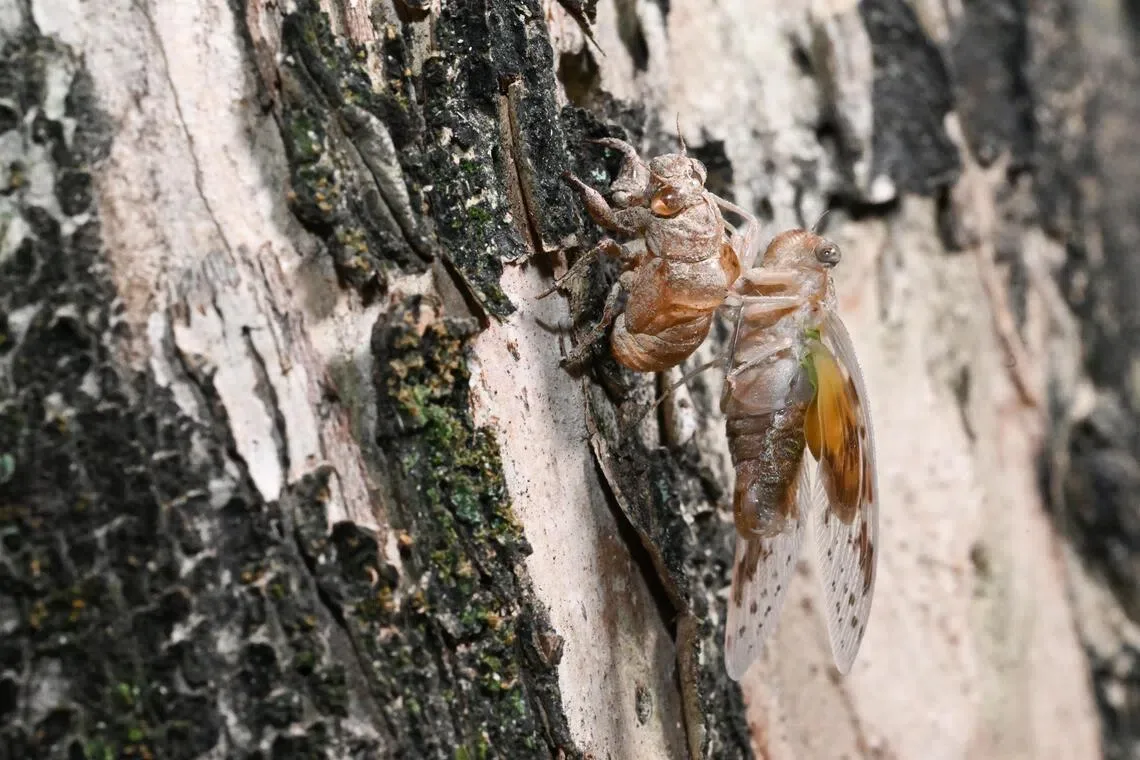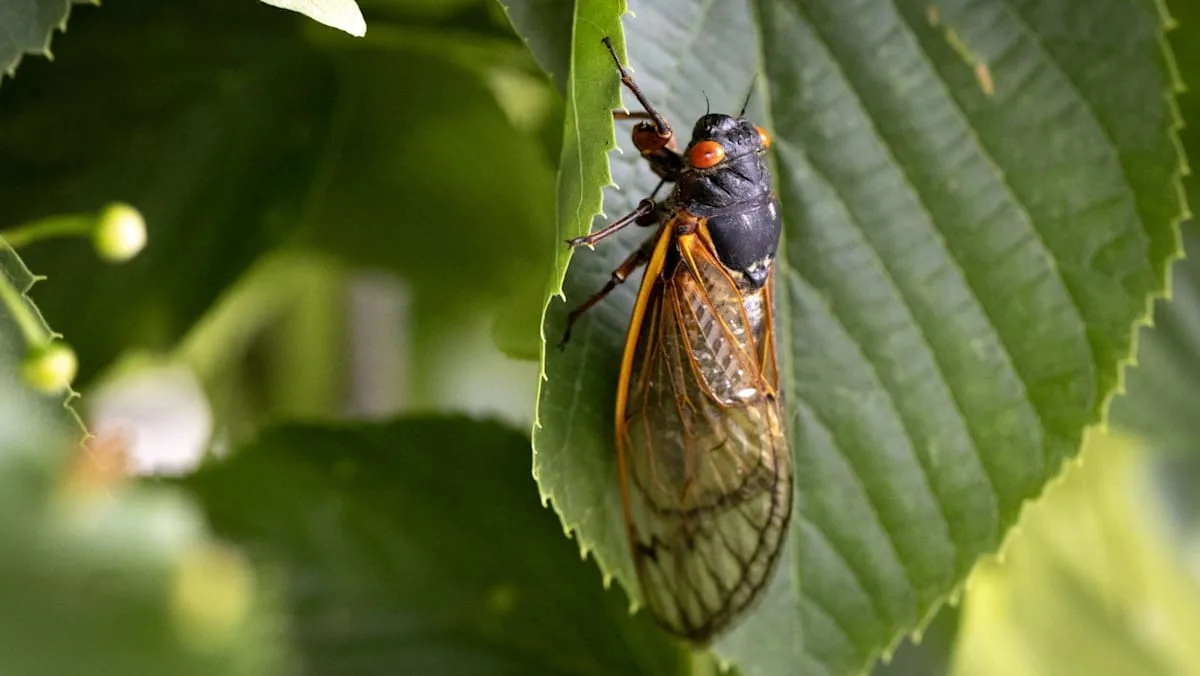
About 22,000 orange-winged cicadas (Asianopleura fulvigera) were caught using light traps deployed across 18 Housing Board blocks in Tampines Changkat since March 2026 [1, 2, 3]. The traps attracted adult cicadas that had moulted, supplemented by physical capture of insects at affected blocks [1, 2, 3].
Other measures trialled during the five-month initiative included wrapping more than 500 trees with aluminium foil or plastic wrap and placing tarpaulin or mats at the base of trees to prevent nymph emergence and moulting [1, 2, 3]. The pilot aimed to reduce noise and nuisance caused by seasonal cicada swarms in the residential area [1, 2, 3].
Residents noted a reduction in noise and disturbances during the trial period [1, 2, 3]. Cicadas can produce calls up to 120 decibels, similar to a chainsaw, which was a significant source of disruption [1, 2, 3].
Site assessments conducted since February 2026 indicated cicada numbers may depend on tree species, age, landscape, habitat characteristics, and local environmental conditions [1, 2, 3]. Seasonal emergence of these cicadas began in February, leading to complaints in the area since 2018 [1, 2].
Tampines Changkat MP Desmond Choo said, "Because there were no established good practices, we had to be innovative to protect our Changkat residents while being environmentally sensitive in our measures" [3]. There are generally no established approaches to managing cicada populations in tropical urban environments like Singapore [3].
The pilot concluded in July 2026 as cicada emergence tapered off. The taskforce plans to continue studying cicada behaviour and may use targeted pesticides or pruning to manage future swarms [1, 2, 3].