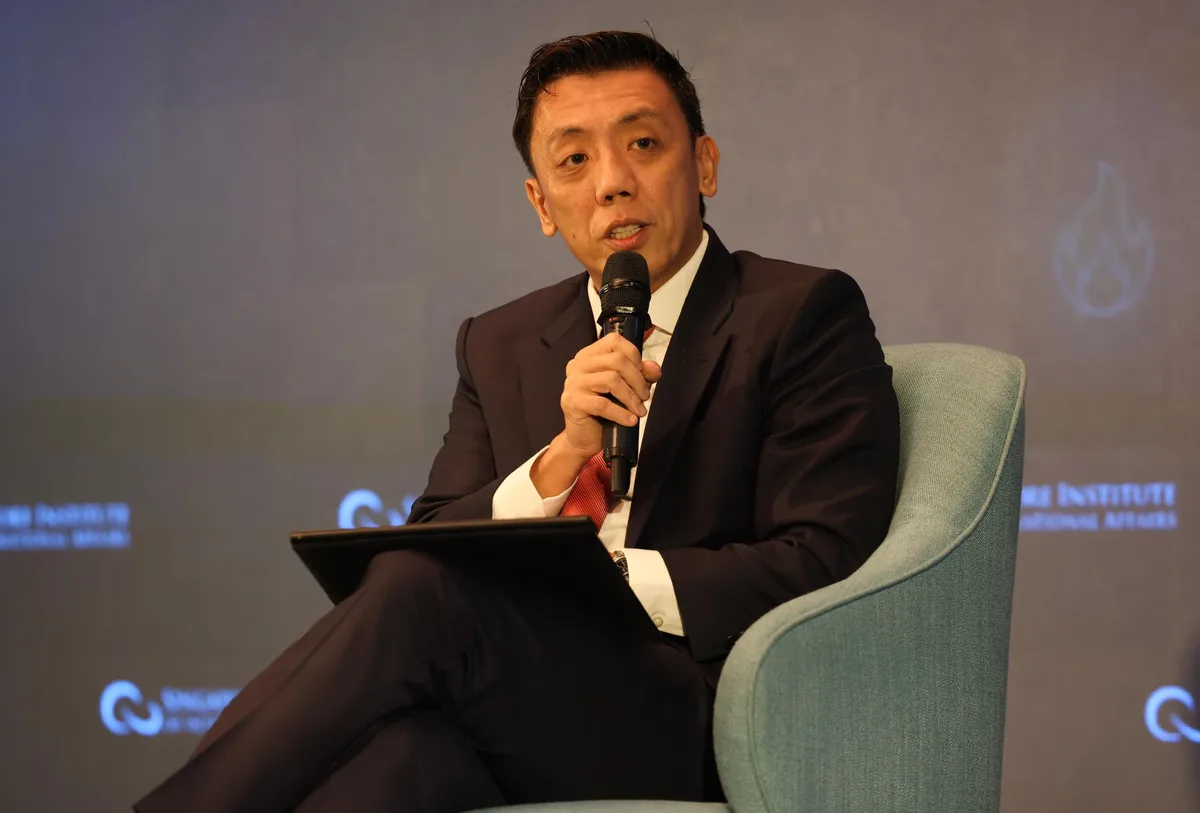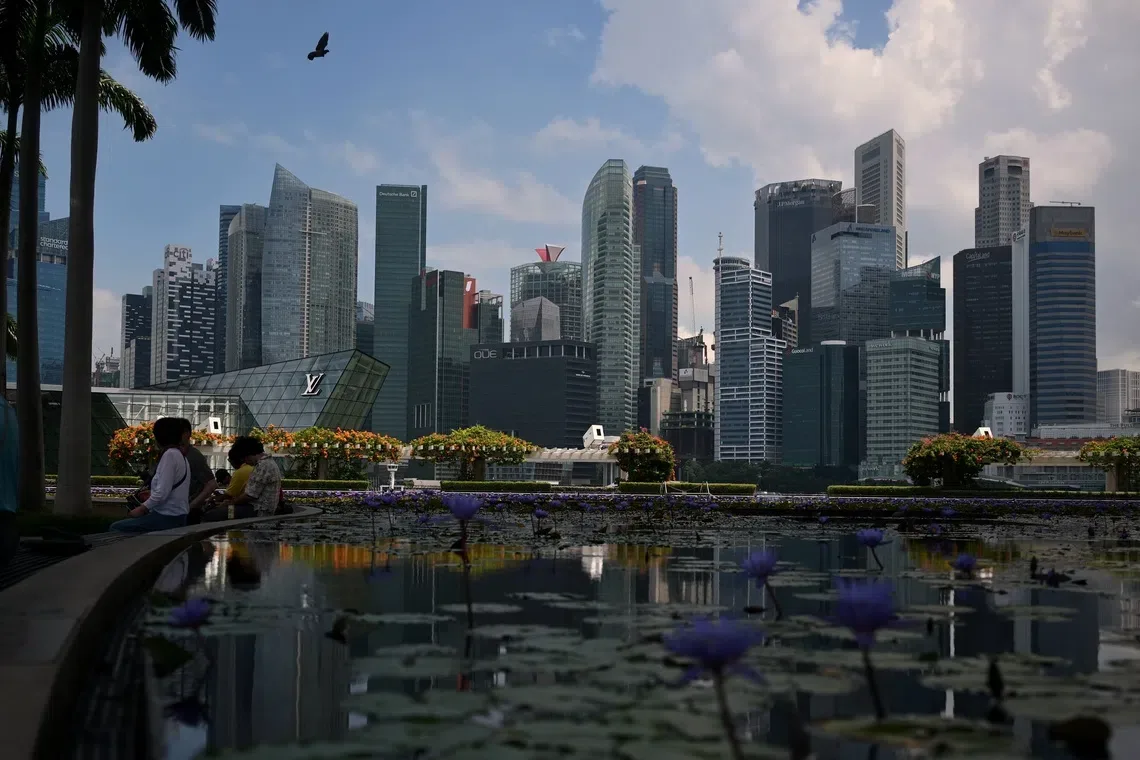
Transport Minister Jeffrey Siow addressed Parliament on August 5, emphasizing that both multinational corporations (MNCs) and small and medium enterprises (SMEs) are essential for Singapore’s economic success [1, 2, 3, 4, 5]. He rejected the Workers' Party’s (WP) portrayal that MNCs create most wealth while SMEs are sidelined, saying, "I disagree with this characterisation" [1]. He added, "We are not in a zero-sum situation. In fact, the growth of our local companies and our MNCs mutually reinforce each other" [1].
Singapore faces a tough global environment requiring it to compete harder for foreign investments while supporting local firms, Siow said [1, 2, 3, 4]. The government’s economic strategy is focused on Singaporeans, aiming to generate better jobs, higher incomes, and improved lives through growth [1, 2, 3, 4, 5].
The WP had tabled a motion calling for Singapore’s growth to be driven by dynamic local companies, stronger domestic demand, and Singaporean capital abroad, arguing for a shift away from reliance on MNCs. WP member Jamus Lim said, "We must evolve away from our traditional reliance on foreign MNCs as a driver of our growth, and pivot towards SMEs as our home-grown economic engine" [1, 2, 3, 4, 5].
SMEs play a critical role as they employ most of Singapore’s workforce [1, 2, 3, 4, 5]. The government allocates about SGD 2 billion annually in direct grants to support SMEs, and more resources are available if demand increases, according to the officials [1, 2, 3, 4]. Senior Minister of State for Trade and Industry Low Yen Ling highlighted that various targeted support schemes, including help for food and beverage businesses, are in place [3, 4].
Siow also noted that MNCs bring in resources and capabilities not yet available locally, benefiting homegrown firms [5]. This suggests a symbiotic relationship rather than competition for a fixed economic pie.
Parliament’s discussion on August 5 highlighted the differing views between the ruling People’s Action Party, which sees MNCs and SMEs as complementary pillars of growth, and the Workers’ Party, which calls for a rebalancing towards local companies [1, 2, 3, 4, 5].
The government plans to continue supporting SMEs through grants and other measures, ready to expand assistance based on business needs in the coming months.