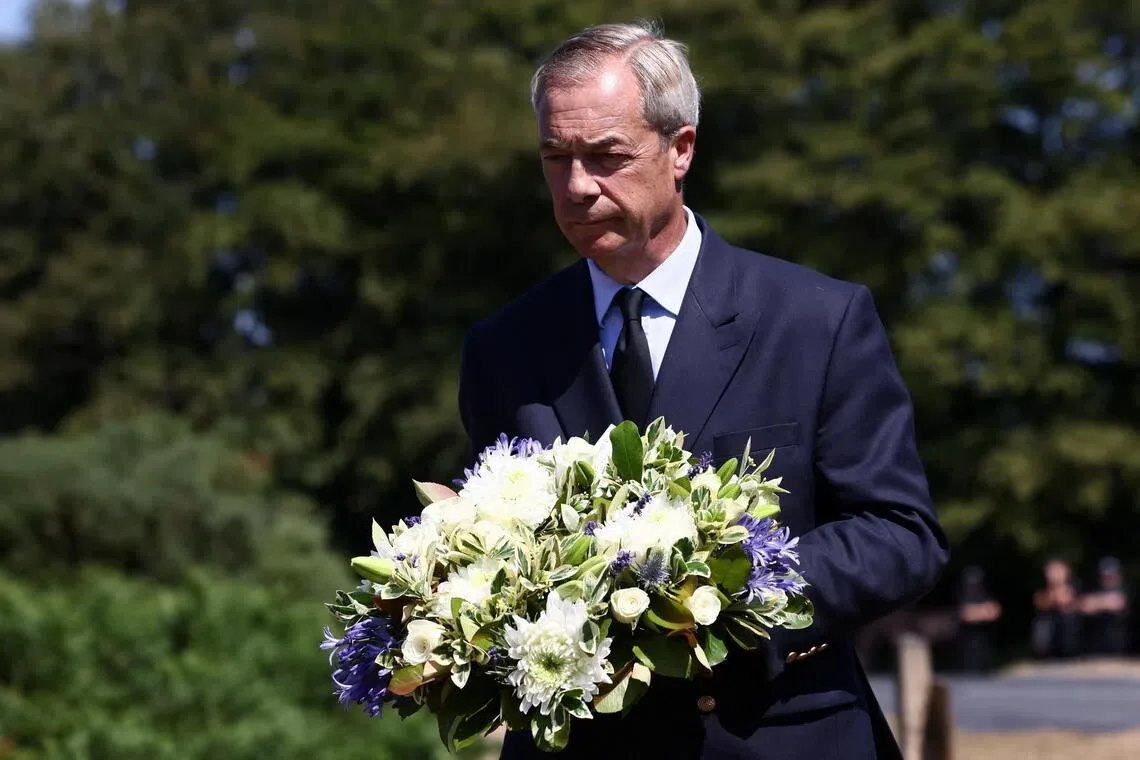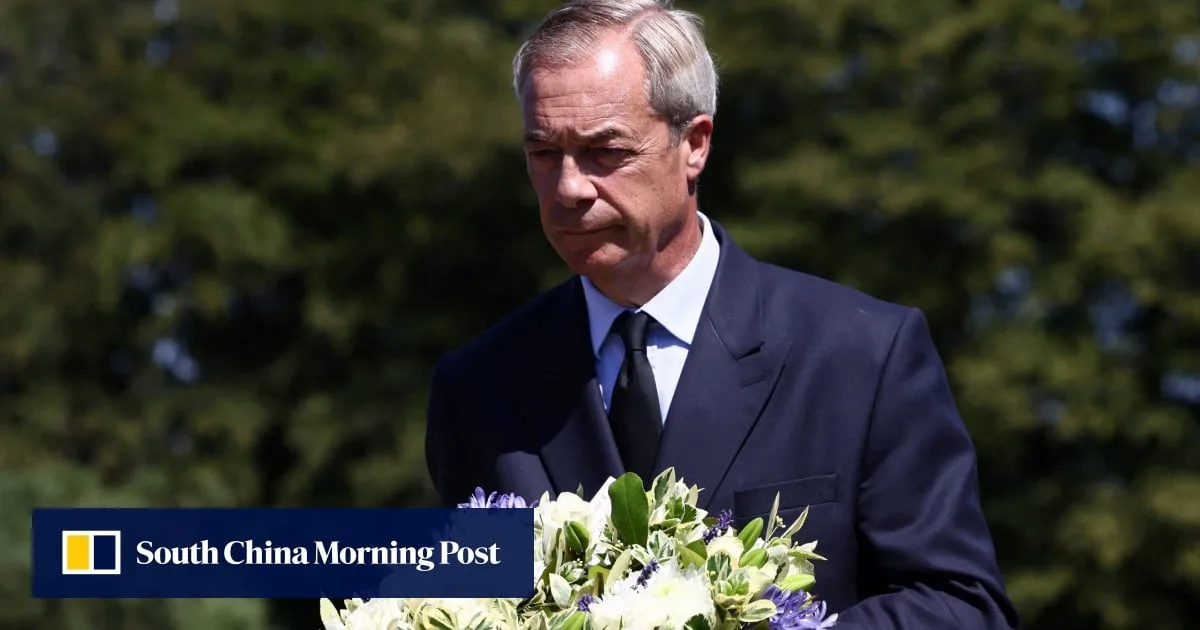
A man in his 20s was arrested in London on July 14 for sending threatening messages to Nigel Farage on social media earlier this year. The suspect threatened Farage, saying, "I am going to shoot you in the head if you win" in a post made around the May 2026 local elections in the UK [1, 2, 3]. Police held the man overnight and released him on bail pending further investigations [1, 2, 3].
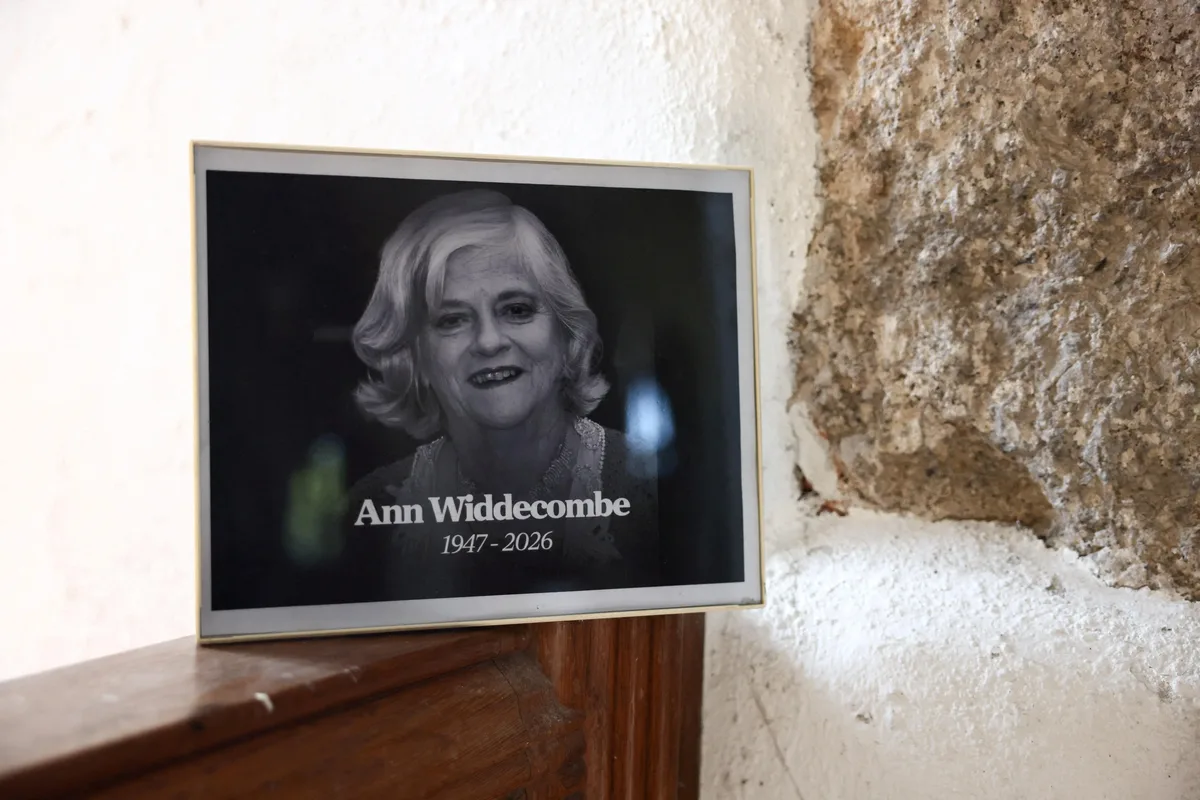
Counter-terrorism police are investigating the murder of Ann Widdecombe, a 78-year-old former Conservative minister and Reform UK member who was found dead at her home in Devon on July 9 [4, 1, 3]. Authorities detained a 28-year-old white British man on July 13 on suspicion of terrorism-related offenses and murder in connection with Widdecombe's killing [1, 3].
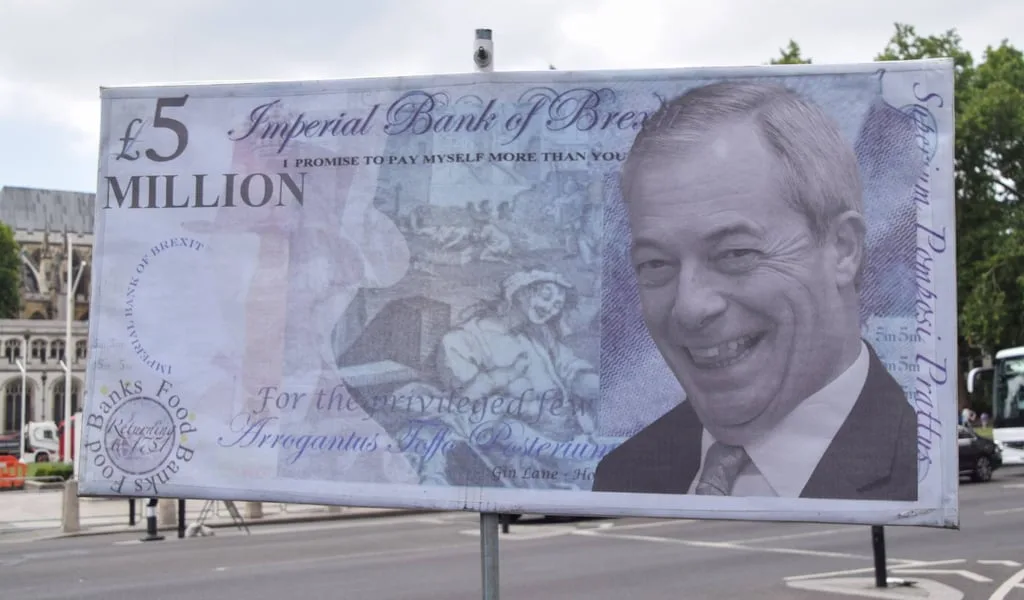
Nigel Farage has faced multiple personal safety threats since early 2024, including having a milkshake and coffee cup thrown at him during his campaign [1]. Since February, he has received about 600 death threats, underscoring growing hostility toward political figures [4]. Recently, Farage resigned as an MP amid a parliamentary investigation into an undeclared £5 million (about $6.7 million) donation from a cryptocurrency billionaire, which he said he used to fund his personal security [4, 1, 2].
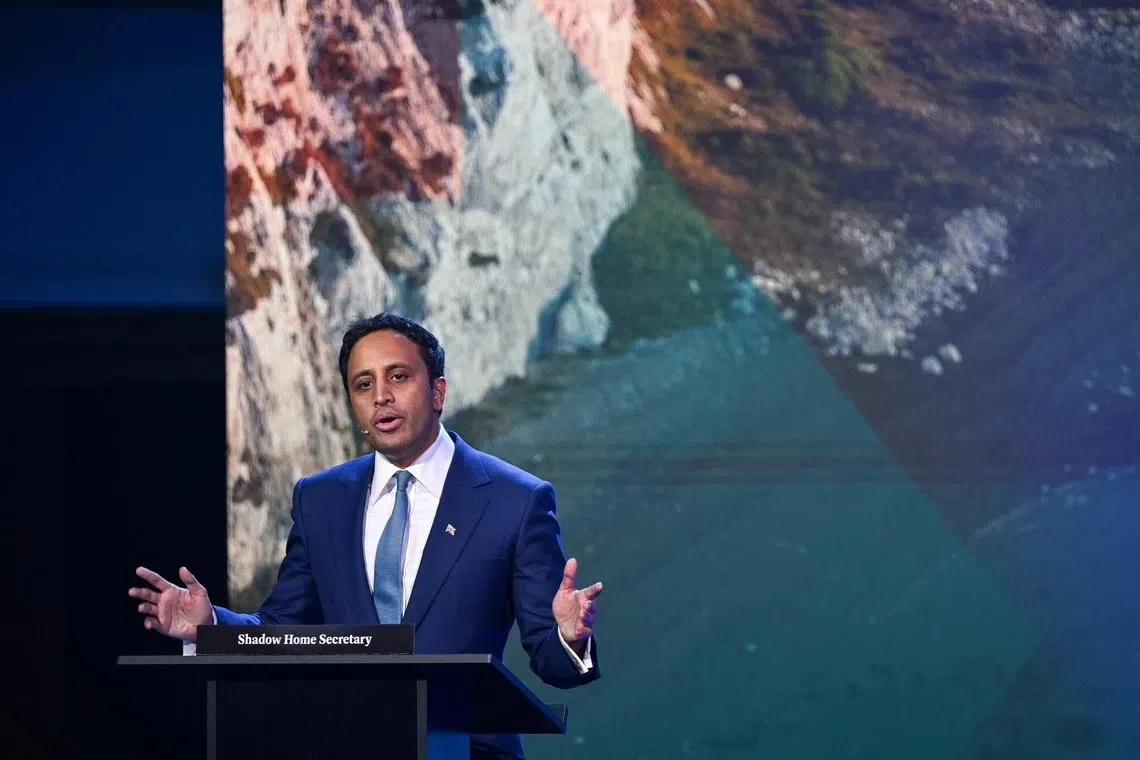
Zia Yusuf, Reform UK's home affairs policy chief, said, "If Reform win the next general election ... I will ensure that all members of parliament, of all parties, are provided with round-the-clock protection." He added, "Those who question Nigel Farage's need for security should stop" [4].
The UK has seen attacks on politicians before, including the 2016 murder of Labour MP Jo Cox and the 2021 stabbing of Conservative David Amess. These incidents led to increased security measures such as panic buttons and trained protection for MPs [4].
Police first received a report about the threatening social media post targeting Farage on May 8, 2026 [1]. The arrest related to these threats was announced on July 15, 2026 [1, 2, 3].
Counter-terrorism authorities continue to investigate Widdecombe's murder and the ongoing threats against political figures as part of wider security concerns in UK politics.