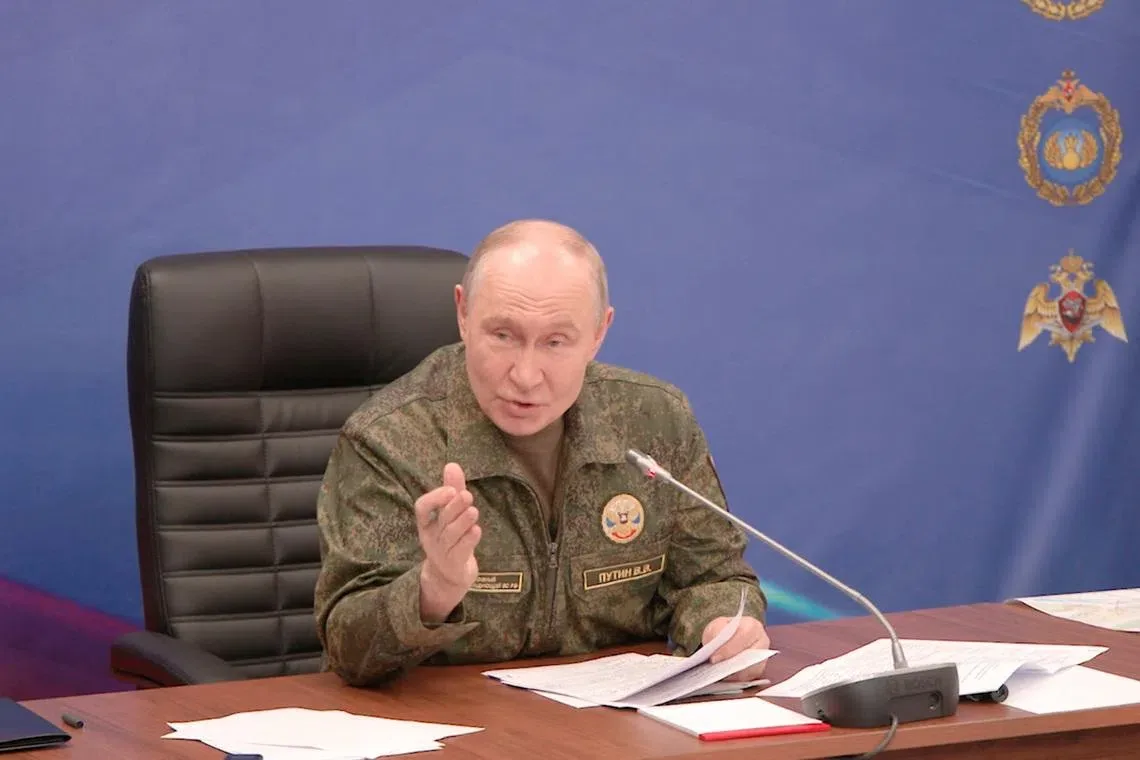
Russia proposed a local ceasefire in Kostiantynivka on July 6 to facilitate the handover of bodies of fallen Ukrainian soldiers. The proposed six-hour truce was scheduled from 1200 to 1800 Moscow time, according to Russian sources [1, 2, 3].
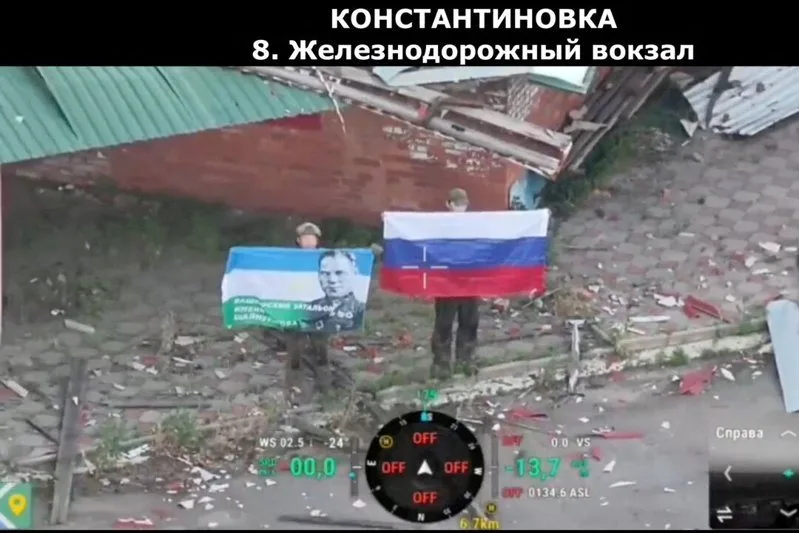
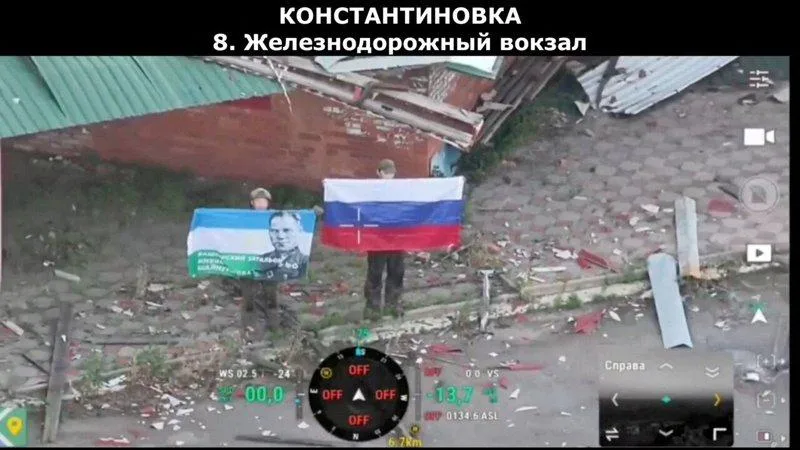
Russia said its forces had taken control of Kostiantynivka by July 5. Russian President Vladimir Putin announced the capture of the town on July 3, claiming a military victory [2, 3]. However, Ukraine strongly denied these claims. The Ukrainian General Staff stated its forces remained in control, with President Volodymyr Zelenskyy asserting that Kostiantynivka was still held by Kyiv and that Putin was misrepresenting the battlefield situation [1, 2, 3].
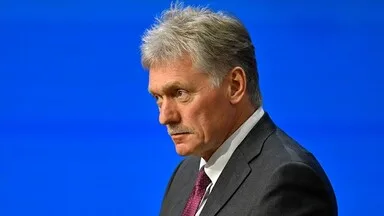
The Russian Defence Ministry accused Ukraine of rejecting the ceasefire proposal during discussions through intelligence channels. The ministry said, "During the elaboration of this issue through intelligence services, the Ukrainian side rejected this proposal" [3]. Ukrainian authorities declined the proposed ceasefire intended for the humanitarian handover of bodies, raising tensions further [1, 2, 3].
Russia accused Ukraine of treating fallen soldiers as "expendable material" and failing to ensure dignified burial, reflecting Moscow’s criticism of Kyiv’s refusal to cooperate on this issue [3].
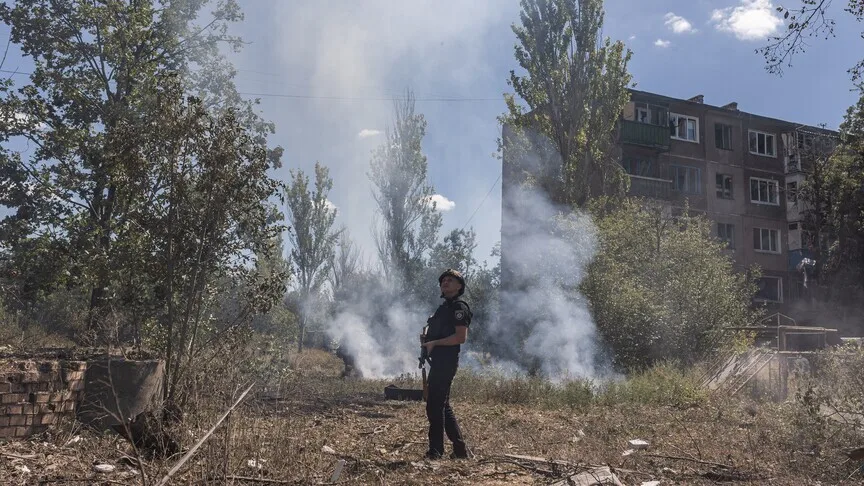
The dispute highlights ongoing disagreements over control of Kostiantynivka. Both Russia and Ukraine claim authority over the town, with conflicting reports persisting since early July [1, 2, 3].
The proposed ceasefire on July 6 was the latest attempt to resolve a humanitarian issue amid active fighting. The immediate next step is to monitor whether either side makes further proposals to address the handover of bodies or any new ceasefire arrangements.