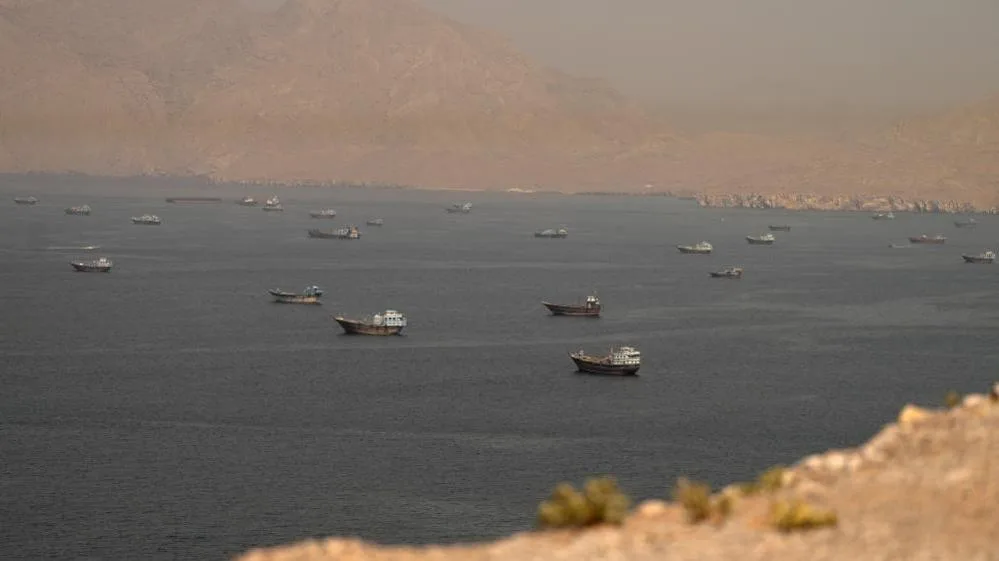
The United Nations’ International Maritime Organization (IMO) announced plans to evacuate more than 11,000 sailors stranded in the Strait of Hormuz due to the ongoing war between the US and Iran. The operation began on June 23 and involves cooperation from Iran, Oman, the US, and other coastal states to ensure safe navigation through the strategic waterway [1, 2, 3, 4].
Approximately 600 ships remain stranded in the region as of June 23, highlighting the scale of maritime congestion caused by the conflict [3]. Traffic through the Strait reached about 40% of normal peacetime levels by June 22, signaling a partial resumption of commercial activity after the US-Iran ceasefire deal [2, 4].
The US and Iran signed an interim agreement last week to halt hostilities and launch 60-day negotiations on sanctions, nuclear inspections, and additional issues [1, 2, 4]. However, Iran denied US claims that it agreed to full inspections of its damaged nuclear sites by the International Atomic Energy Agency (IAEA). The US insists Iran consented to robust oversight of its nuclear weapons program remains, while Iran states no such inspection decision was made [1, 2].
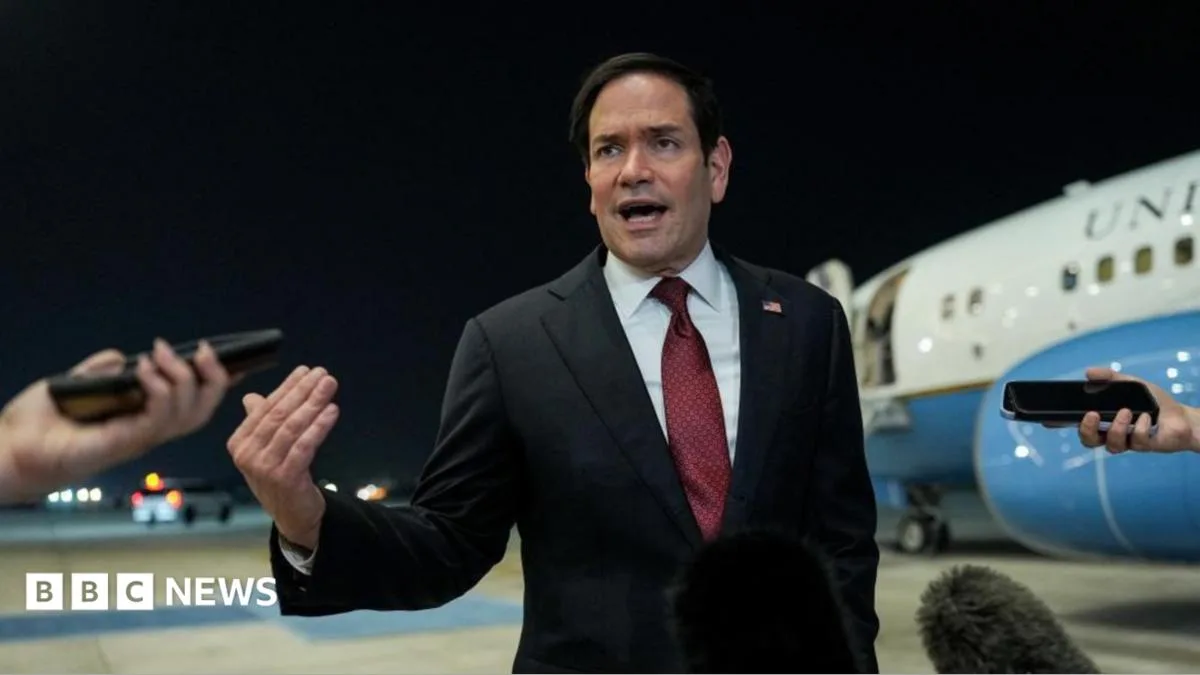
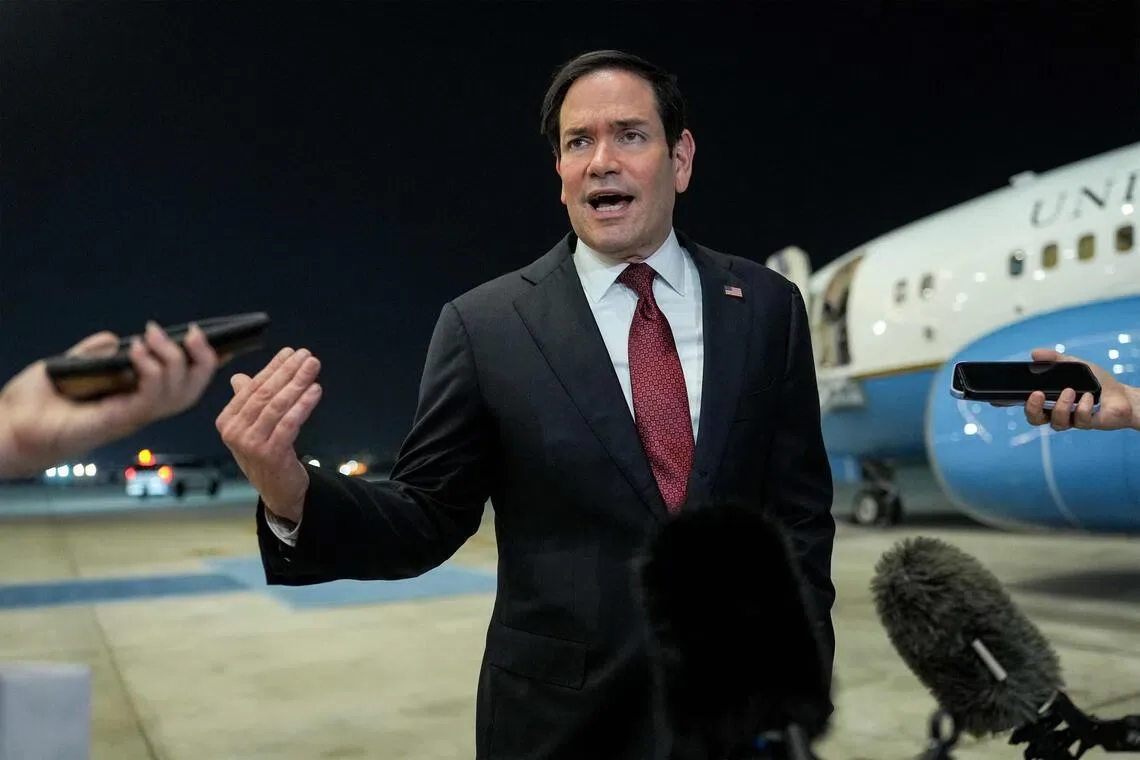
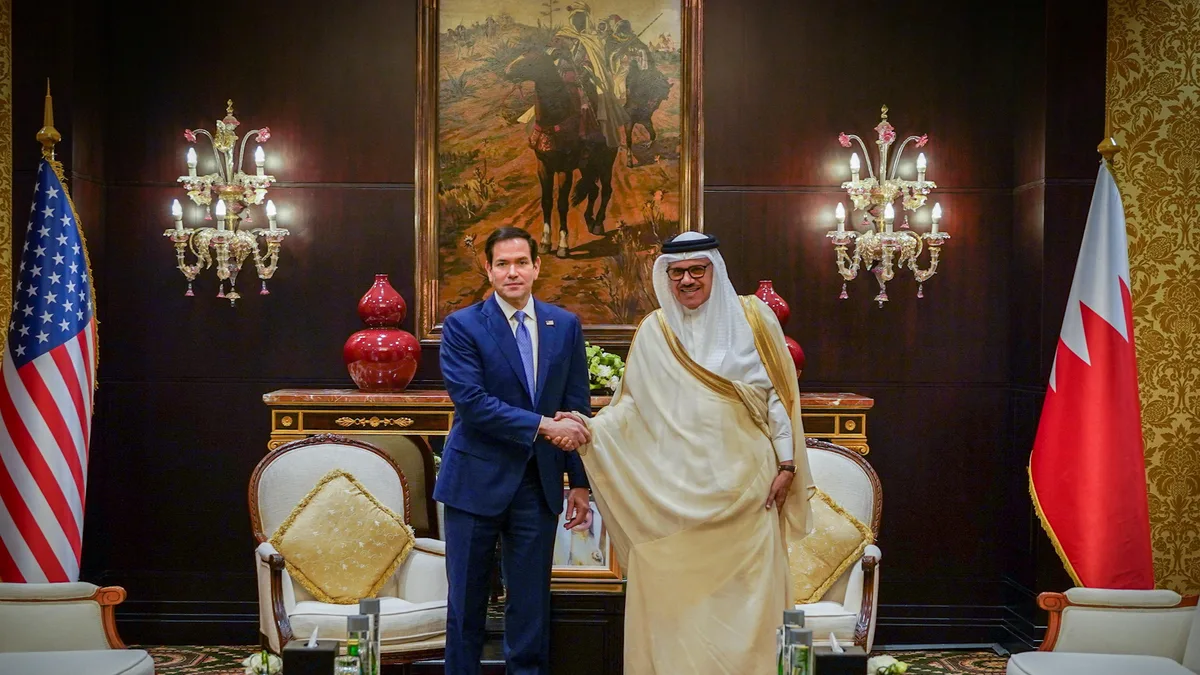
US Secretary of State Marco Rubio has toured Gulf countries including the UAE, Kuwait, and Bahrain during the crisis. He emphasized in several briefings that no country is permitted to charge tolls or fees on the Strait of Hormuz, which is considered an international waterway. "It's an international waterway. No country is allowed to charge tolls or fees on an international waterway," Rubio said [1]. He warned the Gulf Cooperation Council that accepting Iranian tolls would lead to "total chaos" and spread to other international waterways "like a contagion" [5, 6, 7]. At a Bahrain press briefing, Rubio added, "There is zero support among the Gulf countries for any sort of tolls or fees or anything that charges for the use of international waters" [7].
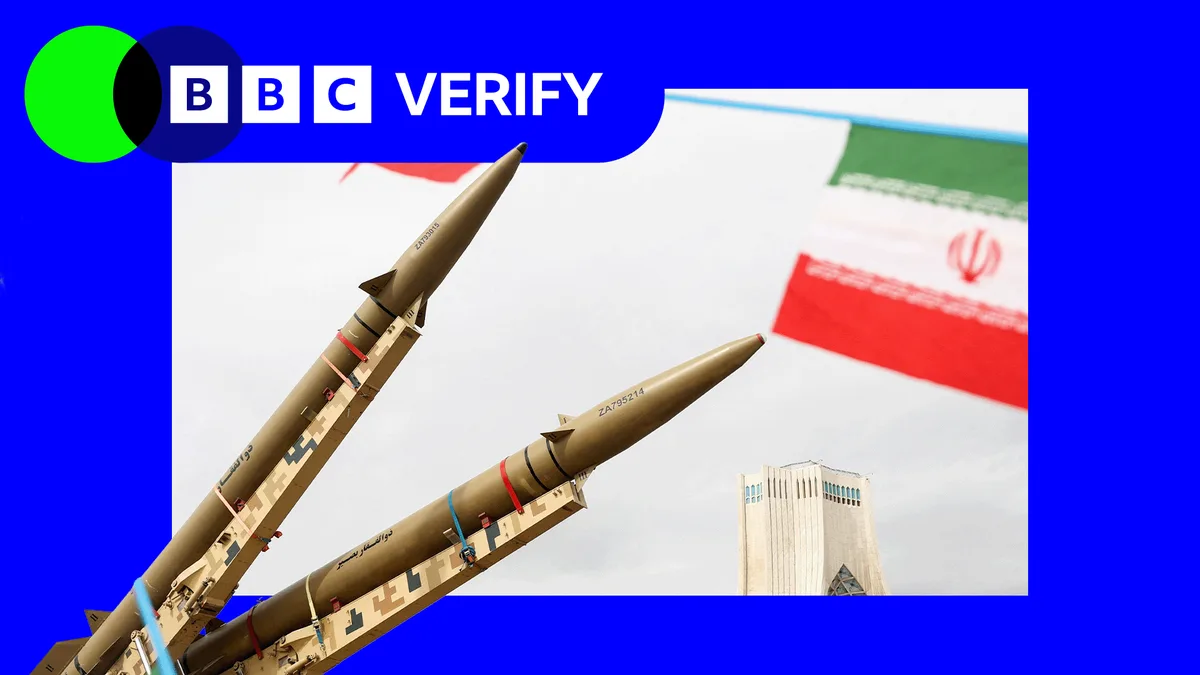
Iran and Oman issued a joint statement on June 24 declaring they intend to study possible administration of the Strait and fees for services, asserting their sovereignty over the waterway [2, 4]. Meanwhile, Iran’s President Masoud Pezeshkian stated unequivocally that Iran will never negotiate under any circumstances about its defensive capabilities, including missiles [1, 4].
The evacuation mission faced a temporary suspension after an attack on a vessel in the Strait, underscoring ongoing security risks in the area [5].
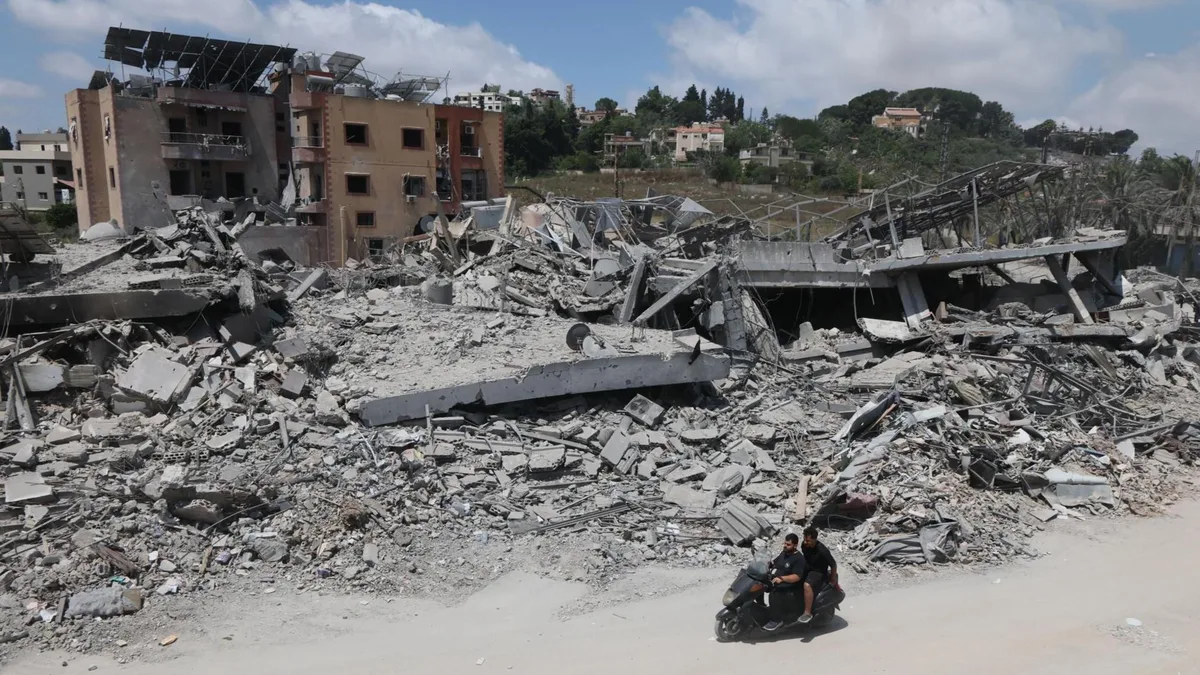
Separately, state-level talks between Israel and Lebanon began in Washington, with Secretary Rubio expressing hope for a commitment of intent between the two countries [4, 7].
The UN and maritime authorities continue coordinating the evacuation of stranded sailors from over 600 vessels in the Strait of Hormuz. The ceasefire deal remains under negotiation through July 2026, with maritime safety and regional diplomacy closely monitored.