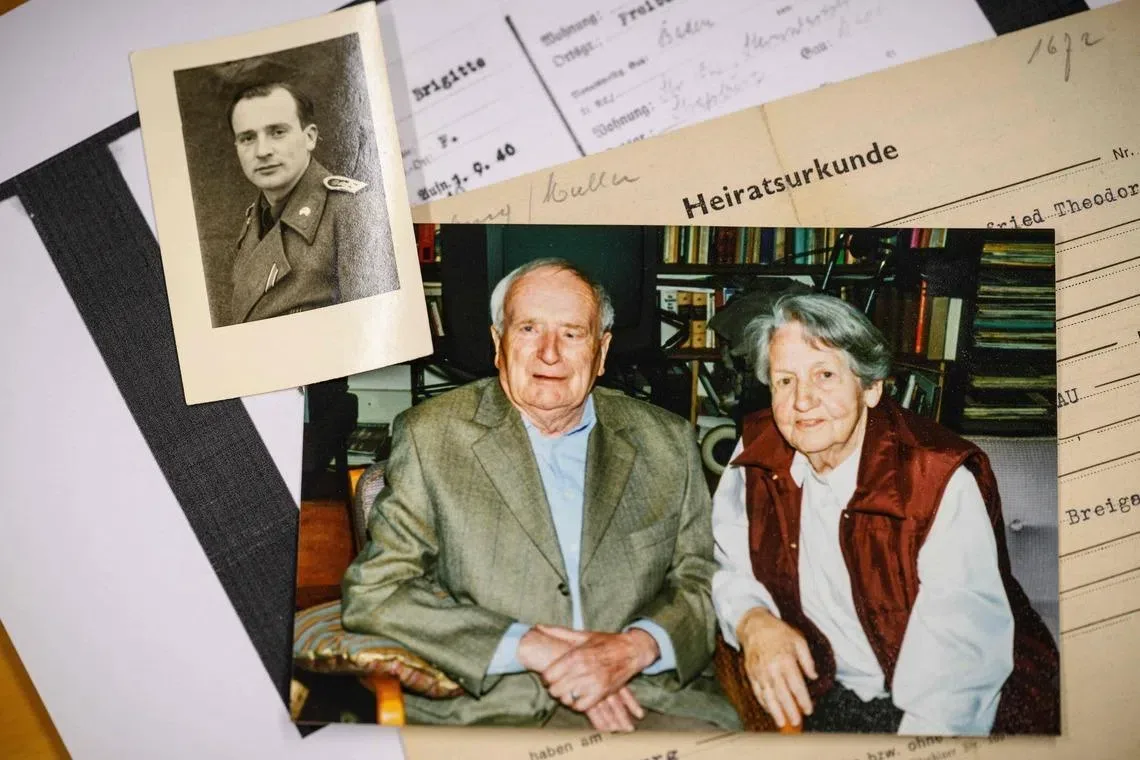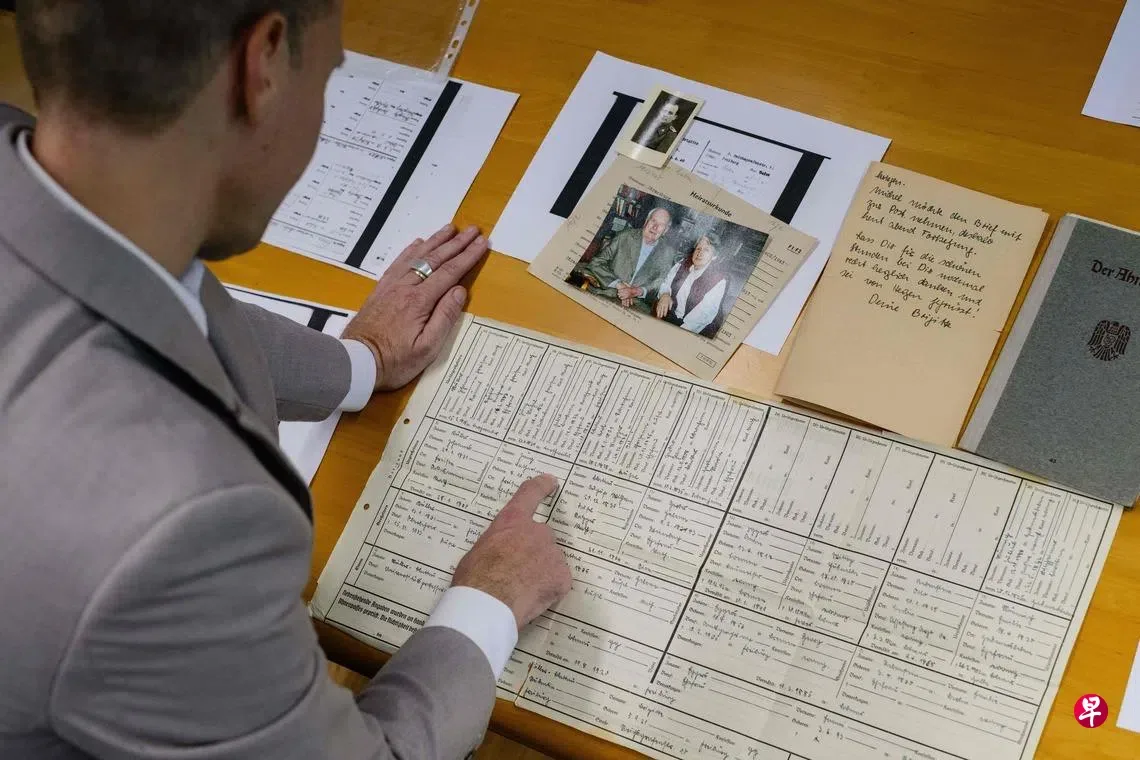
In March 2026, the US National Archives posted digital scans of roughly 12 million Nazi party membership cards seized during World War II, making them publicly accessible for the first time [1, 2, 3]. German media outlets Die Zeit and Der Spiegel launched online tools to help Germans search the archive, sparking intense interest and personal discoveries [1, 3].
Hundreds of thousands of Germans have since searched the records, often uncovering painful truths about ancestors’ Nazi affiliations. Corinna, a 60-year-old German woman, recently learned from her 26-year-old daughter Helena’s search that her father joined the Nazi party in 1935. "When my younger daughter told me about it on the phone, and then sent me a screenshot of the file, I was quite surprised," she said [1, 2, 3].
Historians note that more than 1 in 10 Germans had joined the Nazi party by 1945, though membership was not compulsory but often driven by social or professional pressures after Hitler’s rise to power [1, 2, 3]. Joining the party before 1933 usually indicated ideological commitment, while many others joined later amid pressure [2].
Postwar German society discouraged discussion about Nazi involvement, leading to decades of silence or family narratives portraying Nazi members as victims or resisters. Historian Johannes Spohr said many ex-Nazis actively reshaped history to downplay their roles [1, 2, 3]. Studies show 11% to 18% of Germans after the war believed their ancestors helped victims, though evidence suggests fewer than 1% actually did [2].
The release has also revealed surprising personal stories. Historian Felix Puelm found his grandmother joined the Nazi party in 1940 at age 19 despite the ongoing war [2].
Many families still grapple with confronting these hidden pasts. The archive’s availability is spurring public reflection on Germany’s Nazi history and raising conversations about parallels with current far-right trends [2].
The digital Nazi party membership archive will remain accessible as Germans continue exploring their family histories and the complex legacies of the Third Reich [1].