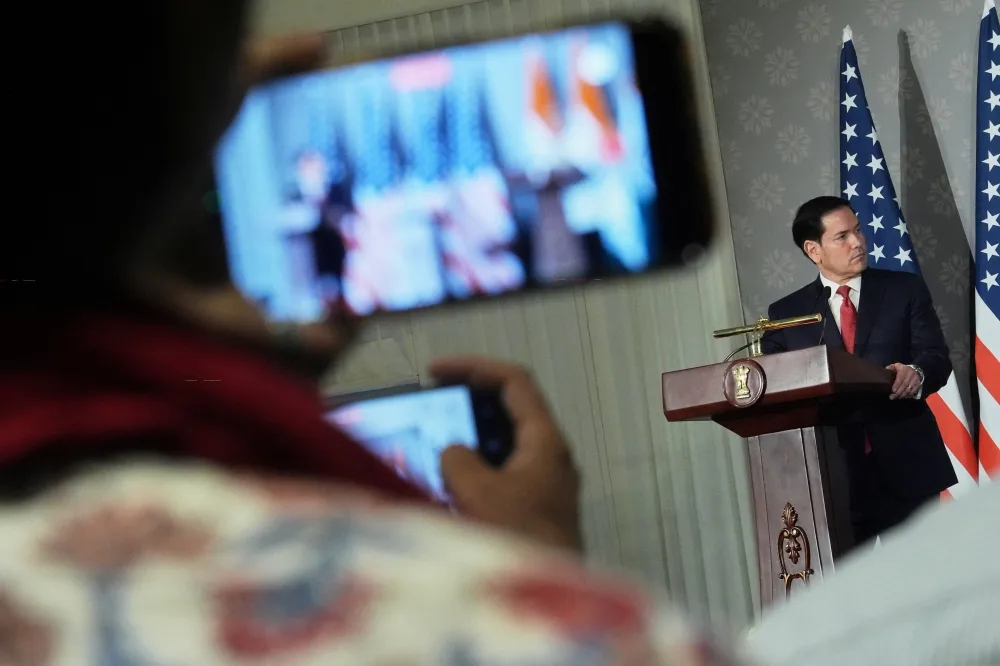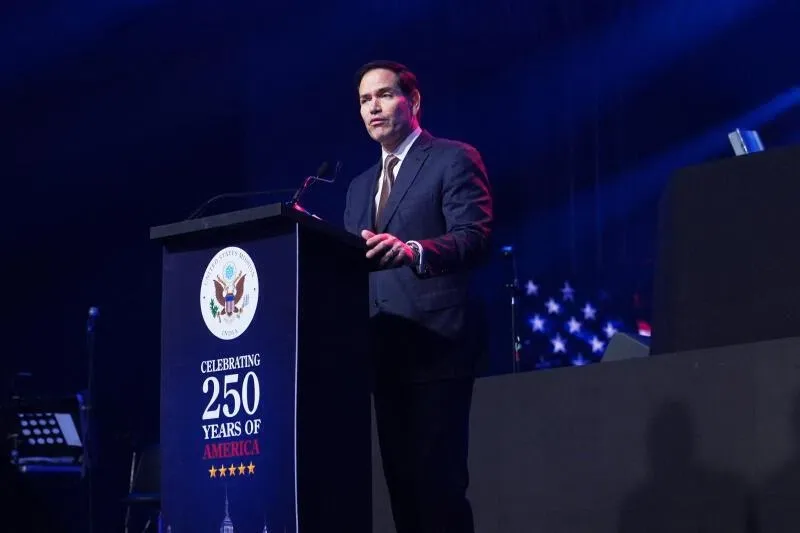
US Secretary of State Marco Rubio accused Hezbollah of attempting to drag Lebanon back into chaos and destruction, condemning threats against the Lebanese government on May 24 [1]. Rubio said, "Hezbollah’s threats of violence and overthrow will not be allowed to succeed. The era in which a terrorist group held an entire nation hostage is coming to an end." [1]
Hezbollah has called for overthrowing Lebanon’s democratically elected government in response to Israeli military strikes and US sanctions targeting the Al-Qard Al-Hassan financial institution, which is linked to Hezbollah [1, 2]. Naim Qassem, Hezbollah’s deputy leader, defended protests against the government and US sanctions by saying, "The people have the right to go down onto the streets and to bring down the government" and described the sanctions as "an aggression against hundreds of thousands of poor people and those with limited income" [1, 2].
Al-Qard Al-Hassan provides interest-free loans primarily to Shia Muslim communities amid Lebanon’s ongoing economic crisis and is affiliated with Hezbollah [1, 2]. The Lebanese government has faced considerable US pressure to act against the institution as part of broader efforts to curb Hezbollah’s influence [1, 2].
Israeli Prime Minister Benjamin Netanyahu stated that former US President Donald Trump reaffirmed Israel’s right to defend itself, including against threats from Lebanon [1, 2]. Netanyahu said, "Trump, in a phone call, reaffirmed Israel’s right to defend itself against threats on every front, including Lebanon" during remarks on the same day Rubio made his accusations [2].
A ceasefire between Israel and Hezbollah took effect on April 17, but despite a recent extension, Israeli strikes on Hezbollah targets in Lebanon and retaliatory attacks on Israel have continued [1, 2].
Looking ahead, a fourth round of US-Iran negotiations is scheduled for June 2 and 3 in Washington, where participants may discuss possible terms related to Lebanon and the Israel-Hezbollah conflict [1, 2].