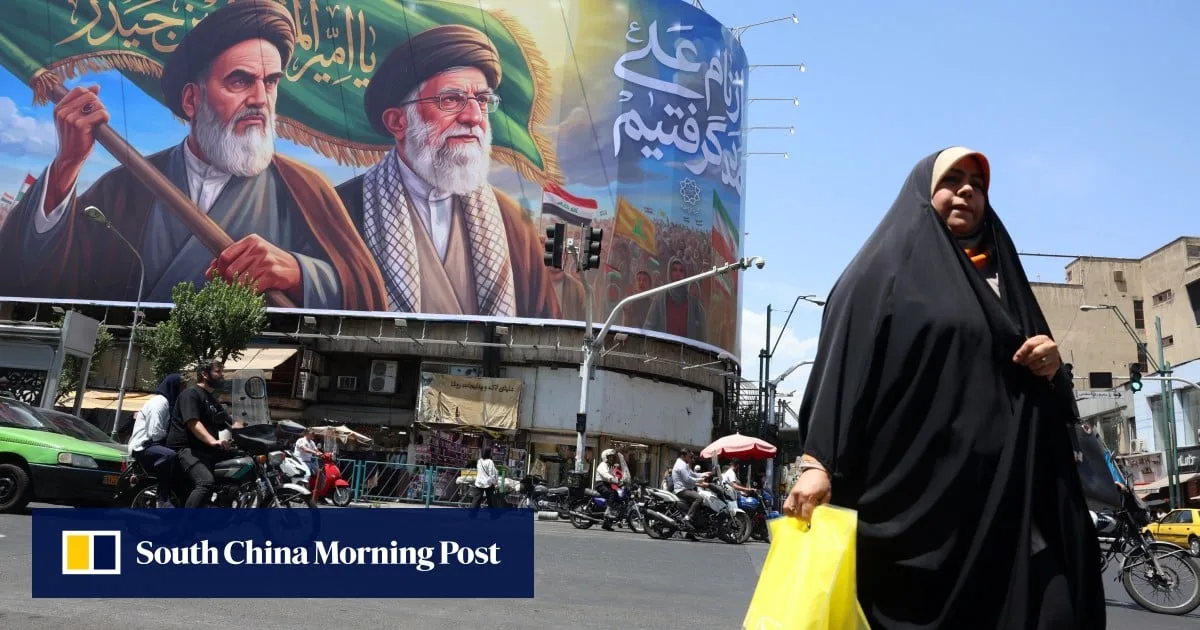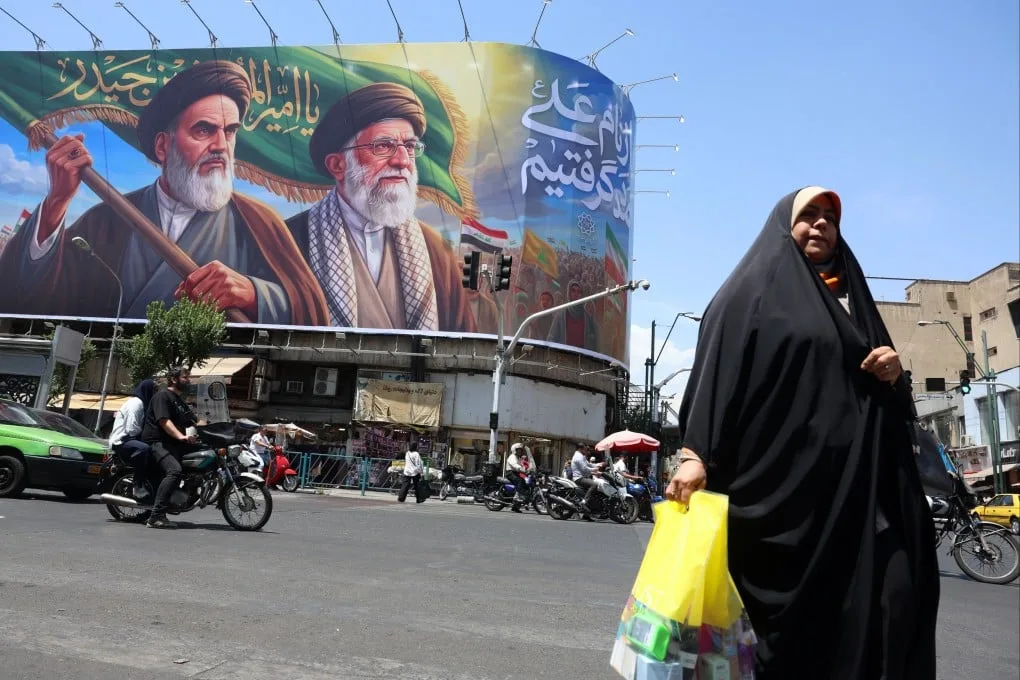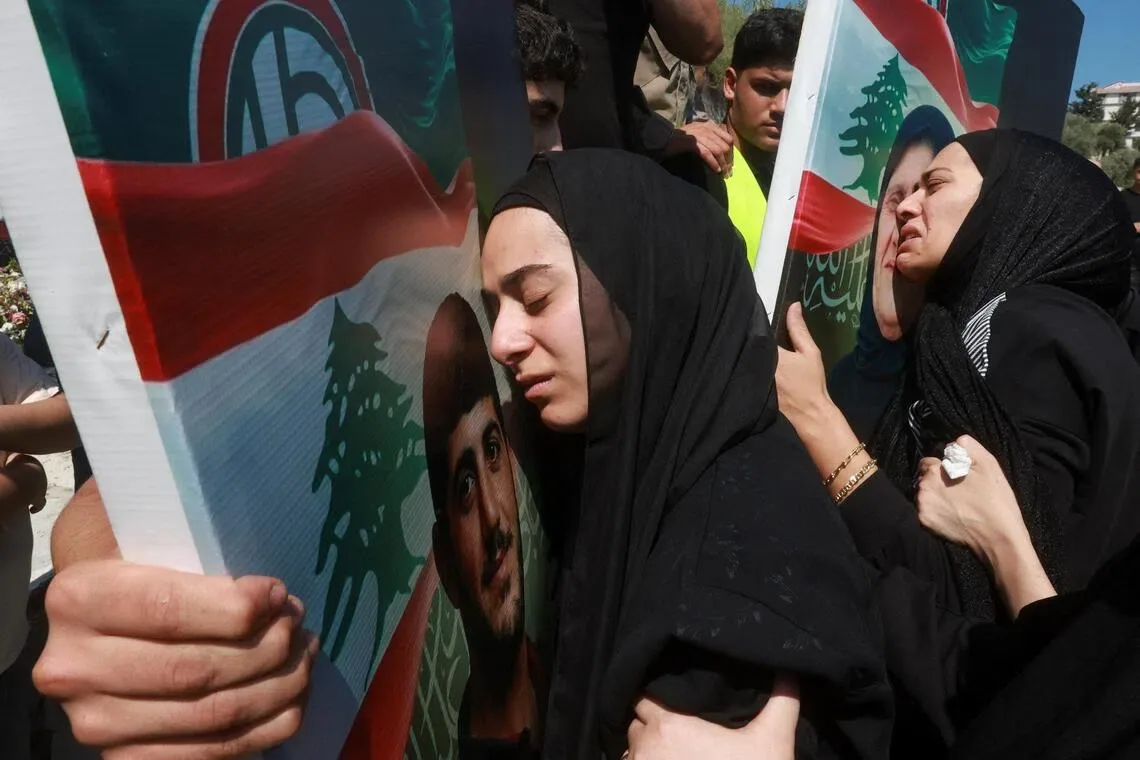
The United States shot down two Iranian drones that threatened maritime traffic in the Strait of Hormuz on June 7, as the Middle East war reached its 100th day without resolution [1, 2, 3]. The strikes came amid rising tensions following Iranian missile attacks on Bahrain and Kuwait the previous day [1, 2].
On June 6, Pakistan’s interior minister Mohsin Naqvi visited Tehran to deliver a message from Pakistan’s army chief to Iran’s Supreme Leader Ayatollah Mojtaba Khamenei. Naqvi called the delivery “a very important message” in the ongoing mediation [1, 2, 3]. Pakistani Field Marshal Syed Asim Munir has played a key role in facilitating indirect talks between Iran and the US after one round of direct talks in Islamabad earlier this year [1, 2, 3].
Iranian military adviser Mohsen Rezaei said negotiations with the US are stalled and called for releasing about US$24 billion in frozen Iranian assets. He said, "Negotiations with the US are at a deadlock, and Trump must break this deadlock" [1, 2]. Meanwhile, the US Treasury announced plans to use some of these frozen assets to help Gulf allies rebuild from damage caused by Iranian missile strikes [1, 2].
Efforts to establish a lasting ceasefire have repeatedly stalled since a preliminary ceasefire was agreed to end heavy fighting on April 8 [1, 2, 3]. Fighting between Israel and Hezbollah continues despite an extended ceasefire brokered by the US last week [3].
The conflict shows few signs of abating as diplomatic efforts continue. Pakistan’s mediation, Iranian missile attacks, and US defensive actions all demonstrate the ongoing volatility of the region.
The US shooting down of drones marks the latest escalation following missile strikes and diplomatic visits last week. With the war now in its 100th day, all sides face pressure to push for breakthroughs or risk further violence.