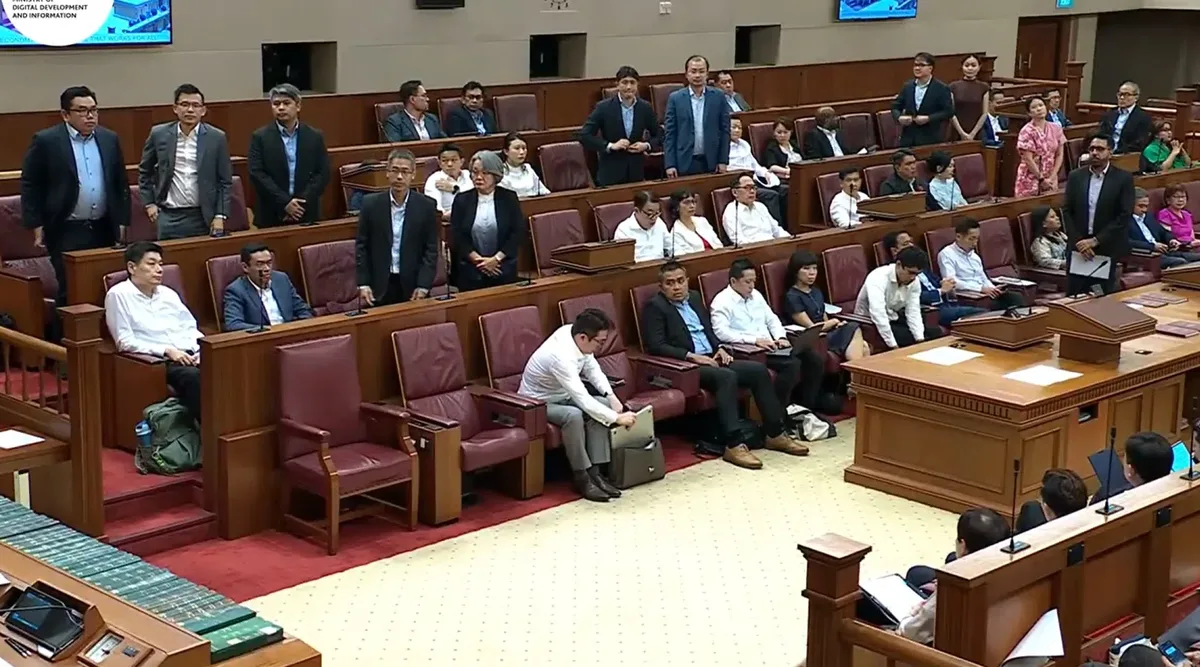
Workers’ Party MP Kenneth Tiong urged Parliament on August 5 to reshape Singapore’s economy to embed fair wealth distribution within growth rather than rely on later redistribution through vouchers or rebates [1, 2, 3, 4, 5]. He said, "It is acceptable as an exigency to grow first and then redistribute by vouchers and rebates. But over the medium and long term, we should be building an economy where a fair distribution is produced by the growth itself, rather than repaired afterwards out of the proceeds" [1].
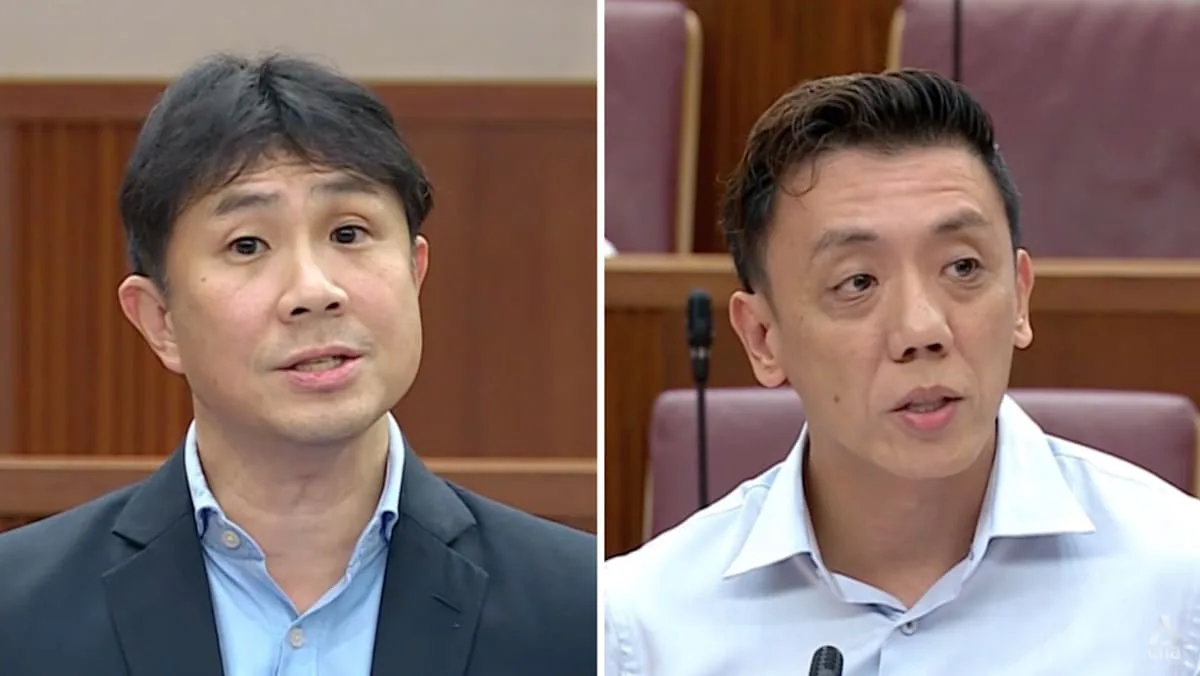
Tiong outlined a vision focused on restructuring growth, promoting enterprise and innovation, and supporting local entrepreneurs and households [1, 2, 3, 4]. He proposed establishing a university-centred special zone where state land would be priced at development cost to help young entrepreneurs and researchers live and work affordably. Nanyang Technological University was identified as a potential site. He described it as "a district that is both pro-worker and pro-business, built around the needs of young people and young companies" while noting the plan was reversible if it failed [1].
WP MP Jamus Lim supported the motion, calling for a shift from reliance on foreign multinational corporations (MNCs) toward strengthening homegrown enterprises and SMEs [1, 2, 3, 4]. Lim criticized government economic policy as biased toward MNCs and said Singapore should "wean our companies off a race-to-the-bottom focus on cost cutting as the only means to be competitive" [6]. WP also called for examining the "indigenous share of national income" to gauge Singaporean contribution as workers, owners, and entrepreneurs and assess housing affordability [1, 2, 3, 4].
The party emphasized support for SMEs, which make up 99% of registered businesses and employ 70% of Singaporean workers but contribute about half of the economy’s value add [6]. Lim urged reducing dependence on large foreign investments to focus more on local firms [6].
Second Minister for Finance Jeffrey Siow countered that both MNCs and SMEs are essential and their growth "mutually reinforce each other," highlighting nearly S$2 billion in annual government grants to SMEs [6]. Following a nearly nine-hour parliamentary debate, the House affirmed an amended version of the WP motion with ruling PAP amendments; all WP MPs voted against the final version [5].
Minister Tan See Leng acknowledged differing views but reaffirmed government commitment to maintaining an open economy with "a fair chance to try, a pathway to progress, and support to recover from setbacks" amidst global uncertainty [5].