The Workers' Party (WP) retained its 10 elected seats and added 2 Non-Constituency Member of Parliament (NCMP) seats in Singapore's May 2025 general election, creating its largest parliamentary presence of 12 members to date [1, 2]. However, the party contested only 26 out of 97 parliamentary seats, falling short of its medium-term target to contest at least one-third of seats in the election, a goal set by party chief Pritam Singh in 2019 [1, 2].
Former WP NCMP Yee Jenn Jong said the campaign messaging will become more challenging in future elections. "I believe the party would have wanted to contest at least one-third of the seats in GE2025, its medium-term goal being to deny the PAP the ability to amend the Constitution at will," he said [1]. This underlines WP's ambition to expand parliamentary influence but shows the difficulty in achieving this step.
Yee suggested that unseating Singapore's ruling People's Action Party (PAP) would require internal splits within the PAP and a strong voter perception of government failure. "A change of government, however, would take cracks within the PAP itself, and a very large share of voters perceiving the ruling party as having bungled things up badly," he added [1].
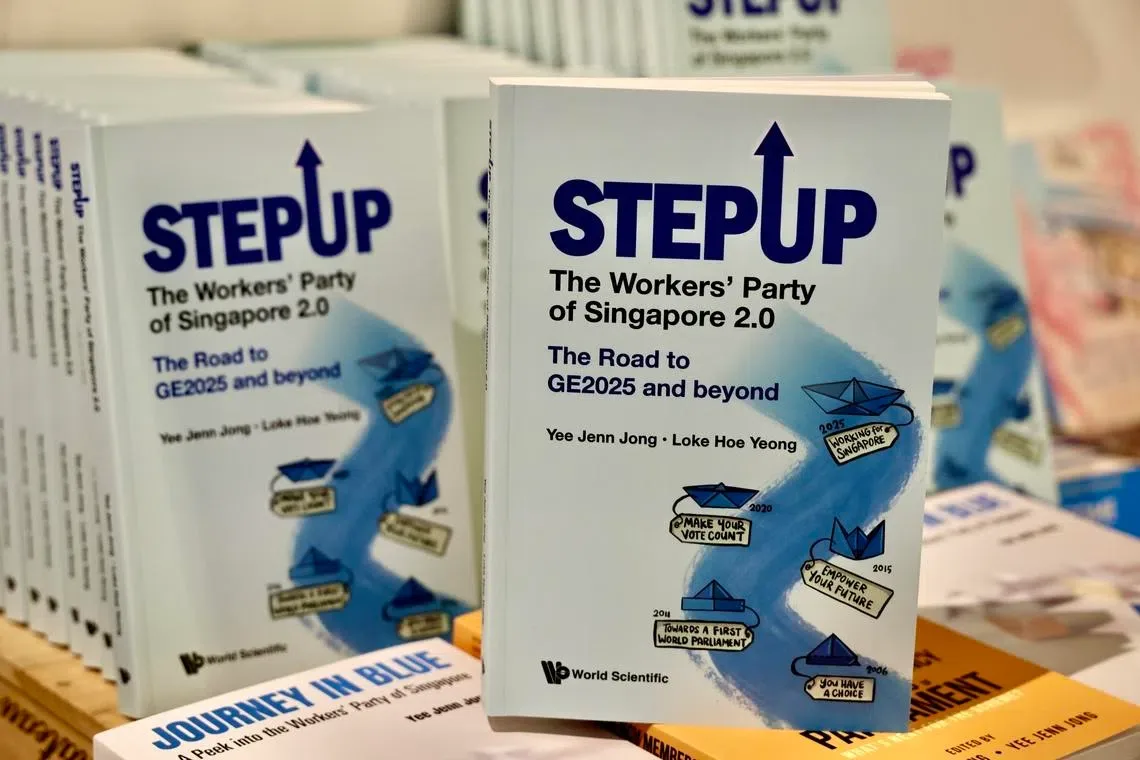
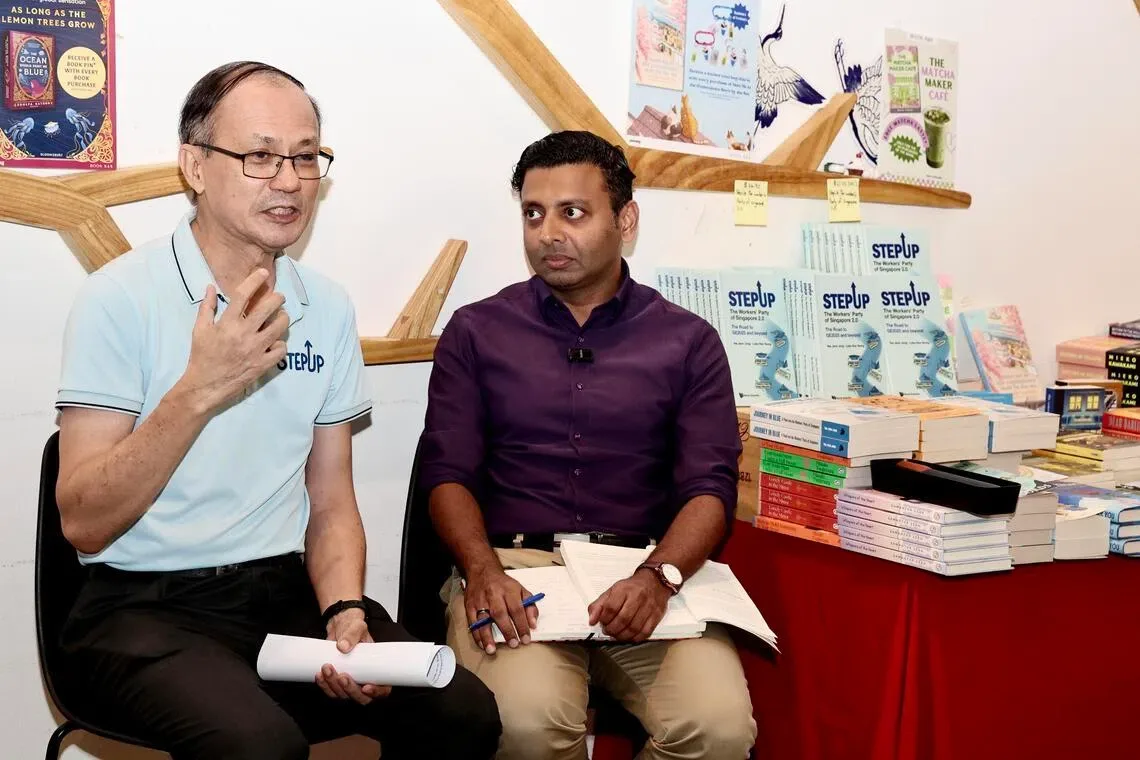
Yee co-authored a book titled Step Up: The Workers’ Party of Singapore 2.0, launched June 3, 2026, which analyses the party's recent electoral performance and outlines future challenges [1, 2]. The book reflects on WP's progress since the 2011 general election, noting improvements in parliamentary representation, town council management, grassroots organisation, and the development of new talent [1, 2].
Despite falling short of contesting a third of seats, WP’s gain to 12 parliamentary members marks its strongest showing yet, cementing its role as the main opposition voice in Singapore [1, 2]. The next general election cycle will test whether the party can expand further or must recalibrate its strategy amid a political landscape still dominated by the PAP.