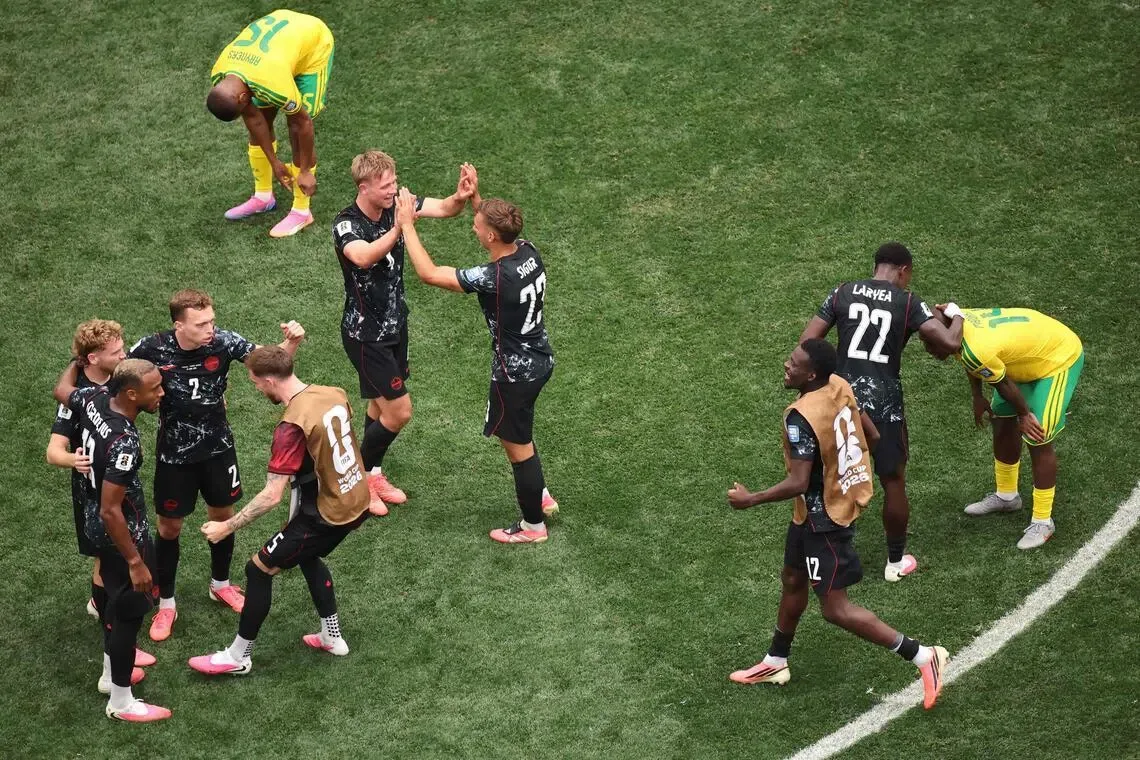
The 2026 FIFA World Cup has been marked by intense emotions, vivid colors, goals, and memorable underdog tales across matches held in the US, Canada, and Mexico [1, 2, 3, 4, 5, 6]. On June 28, players showed clear physical and emotional exhaustion after their matches, especially the South African team, which also displayed notable sportsmanship from Canadian opponents [1, 2, 3, 4, 5, 6].
The Iranian team stood out for facing sustained rude treatment and multiple restrictions throughout the tournament. Despite traveling with pride and dignity, as expressed in letters left in their dressing room stating, “We came to Los Angeles with pride, competed with honour, and leave with dignity,” they encountered disregard and hostility from others [1, 2, 3, 4, 5, 6]. Iran passed through the tournament unbeaten but were eliminated when Austria scored a late goal against Algeria, ending their World Cup hopes [7]. They also faced challenges like training camp relocations and travel constraints [7].
Visa and immigration policies of the US and Canada imposed strict barriers, rejecting over 80% of applications from fans, journalists, and staff from countries including Senegal, DR Congo, and Scotland, limiting their attendance [7]. These restrictions sparked criticism about access and fairness. The costs of tickets, transportation, and essentials like water were also viewed by some as exploitative [7].
Amid the challenges, football fans worldwide celebrated the sport with cultural displays, including a marching band in Lawrence, Kansas that learned the Algerian national anthem. DR Congo star Yoane Wissa reflected on his journey, saying, “We came from nothing to be here,” highlighting the tournament’s significance for players from conflict-affected regions [1, 2, 3, 4, 5, 6].
Football commentator John Dykes praised the event’s range of talent and singled out the 2-2 draw between Iran and New Zealand as a match capturing the World Cup spirit, calling it “a belter” [1]. Longtime announcer Andres Cantor remained active and vivid, still loudly celebrating goals in his signature style [1, 2, 3, 4, 5, 6].
FIFA faced criticism for perceived meekness in addressing political and humanitarian concerns, especially regarding Iranian players’ treatment and some fans’ inability to attend due to visa restrictions [1, 2, 3, 4, 5, 6, 7]. There are also worries that the strict immigration enforcement seen this year may set a precedent affecting future global tournaments, including the 2034 World Cup scheduled in Saudi Arabia [7].