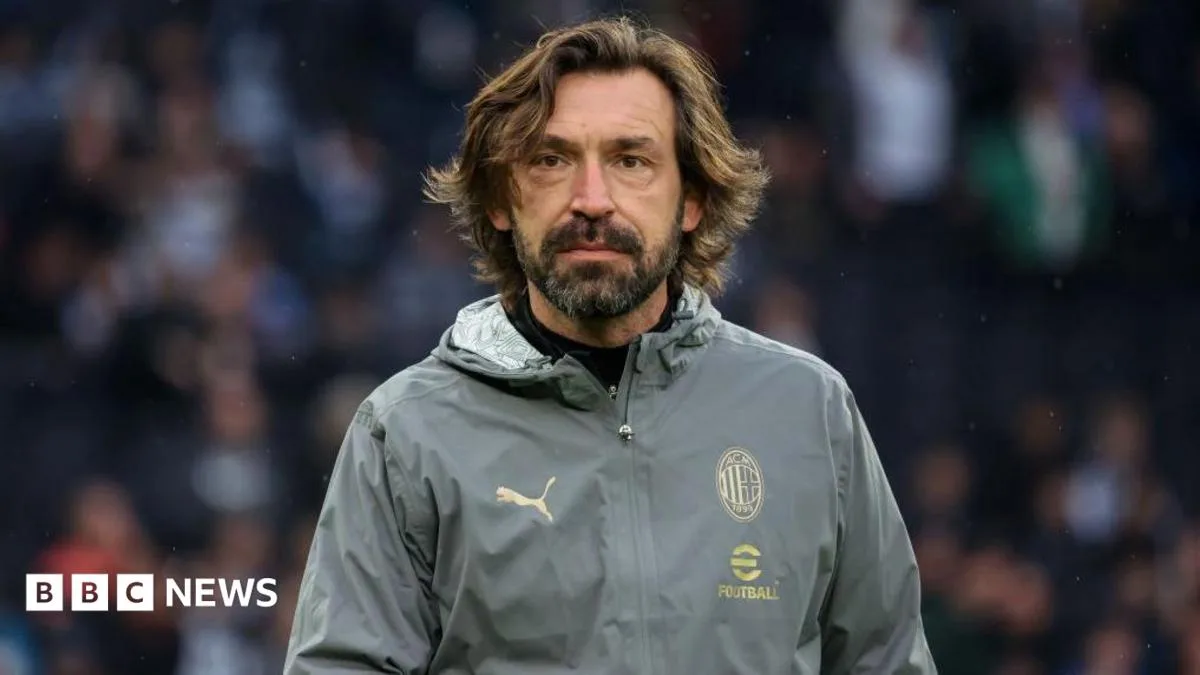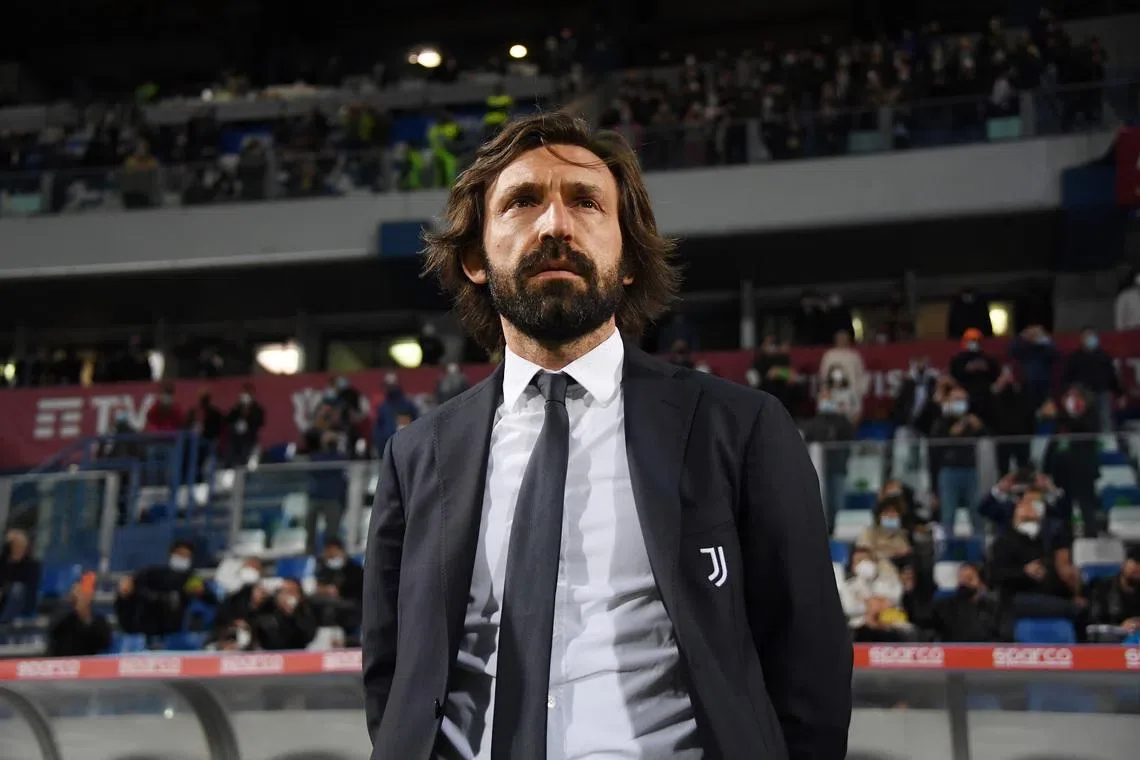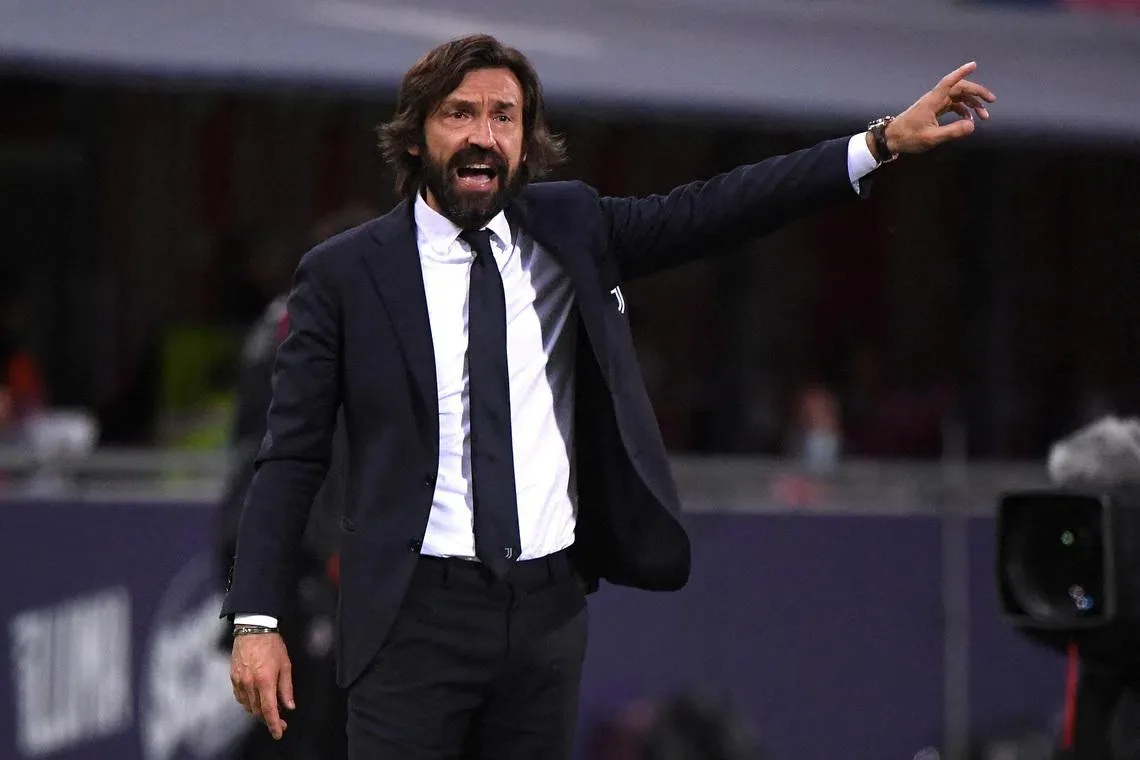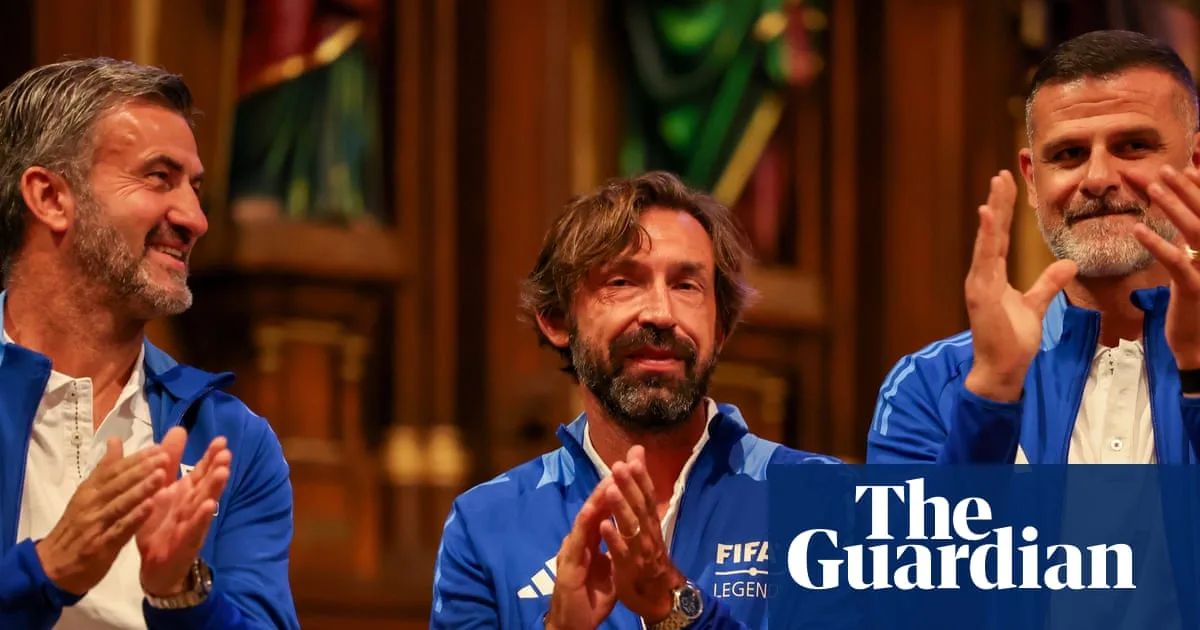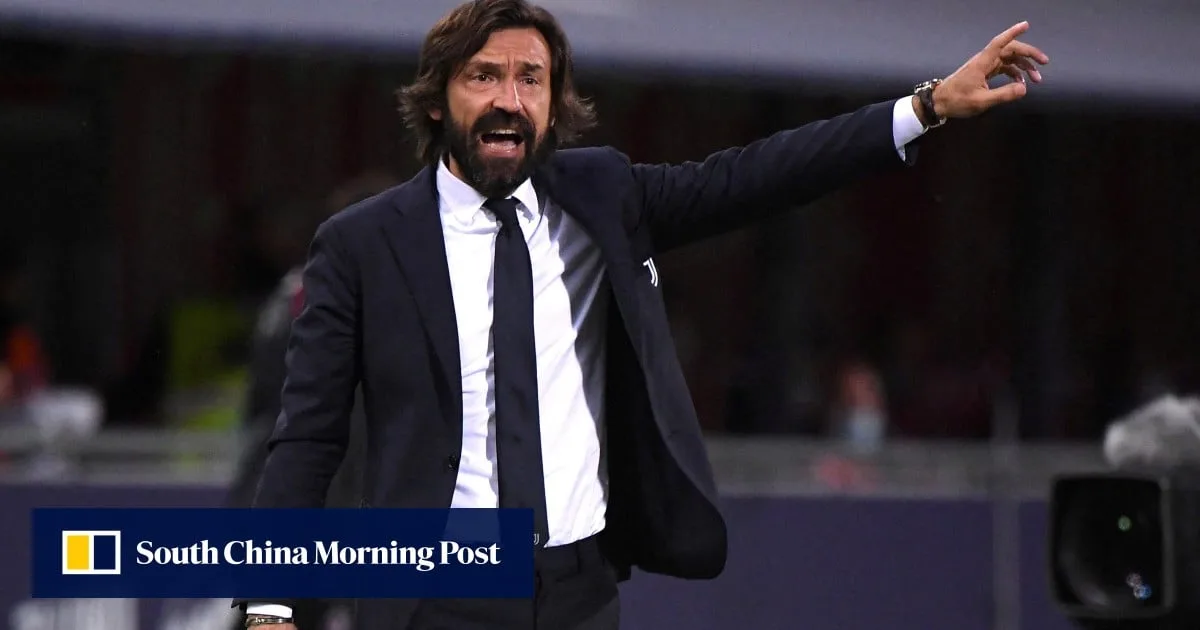
Andrea Pirlo, once the leading contender to become Italy's next national football team head coach, announced on July 27, 2026, that he was no longer in the running for the position [1, 2]. The 47-year-old coach cited political opposition over his commercial ambassador role with Russian betting firm Fonbet, which he began in October 2025, as the reason for his withdrawal [1, 2, 3].
Pirlo's ties to the Russian gambling company drew intense criticism amid the ongoing war in Ukraine. On July 26, he appeared at a Fonbet event alongside former Italy teammate Marco Materazzi at Moscow's Luzhniki Stadium, provoking public and political backlash in Italy [1, 4, 5, 6]. Italian political figures such as Pina Picierno, vice-president of the European Parliament, called his appointment a step in the "exact opposite direction" of needed reform after Italy failed to qualify for the 2026 World Cup [4]. Carlo Calenda, leader of the Azione party, said, "Anyone who is or has been promoting Russia after 2022 should not hold national office" [1].
Pirlo stressed on Instagram that the Fonbet deal did not have any political intent, saying, "To assign a political meaning to that collaboration is to attribute to me beliefs that I have never expressed" and reaffirmed that he has complied with the laws and contracts of the countries where he has worked [2, 3]. Currently, he coaches United FC in Dubai’s UAE Pro League, a role linked to his ambassadorial work with Fonbet [1, 6].
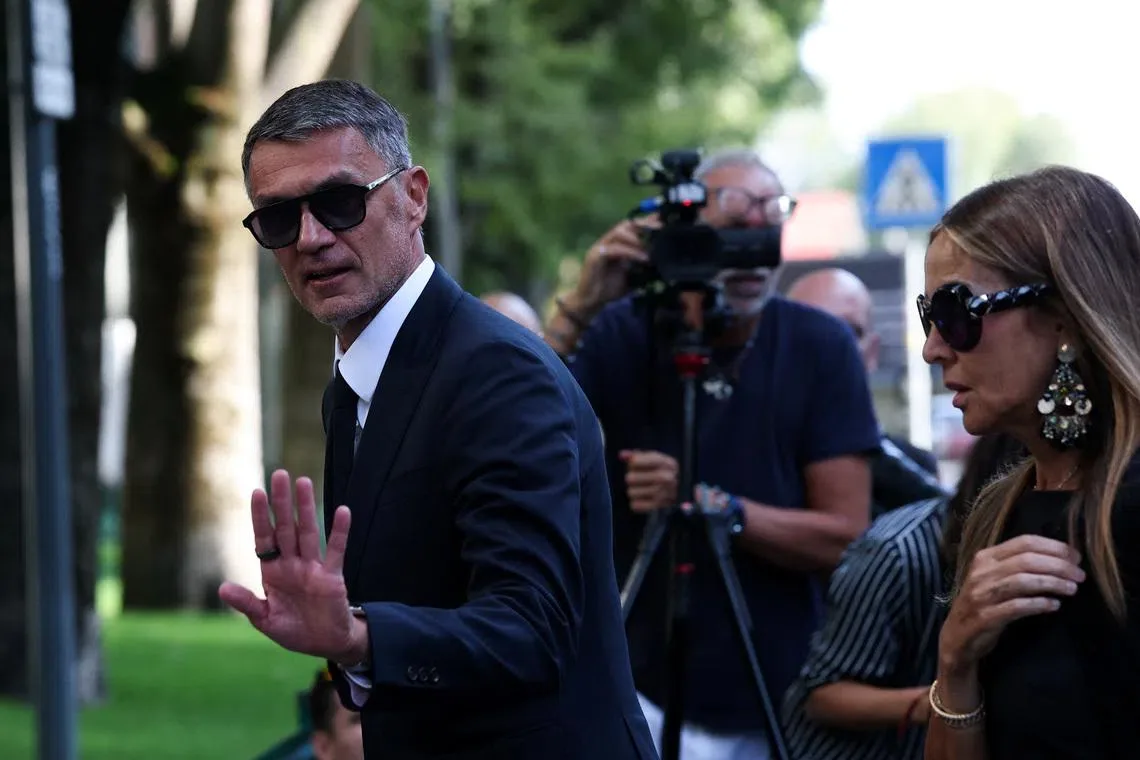
The controversy led to repercussions at the Italian Football Federation (FIGC). Paolo Maldini and Leonardo resigned from their leadership positions days after Pirlo's coaching plan fell apart. Maldini had been appointed FIGC technical director on July 11, 2026, to help rebuild Italian football and was a key backer of Pirlo as coach [7, 8, 9].
Giovanni Malago was elected FIGC president on June 22, 2026, amid efforts to restore the national team after missing the World Cup [4, 10, 9]. Following Pirlo’s withdrawal, managers Roberto Mancini and Antonio Conte are among those being considered to lead Italy [7, 11].
Russian ambassador to Italy Aleksey Paramonov criticized Italy’s political opposition to Pirlo, calling it "saddening" that he faced ostracism despite his sporting contributions [2, 6].
The next phase in Italy’s search for a national coach will focus on other candidates, with the FIGC’s leadership changes signalling a renewed push to stabilize the team after a turbulent summer.