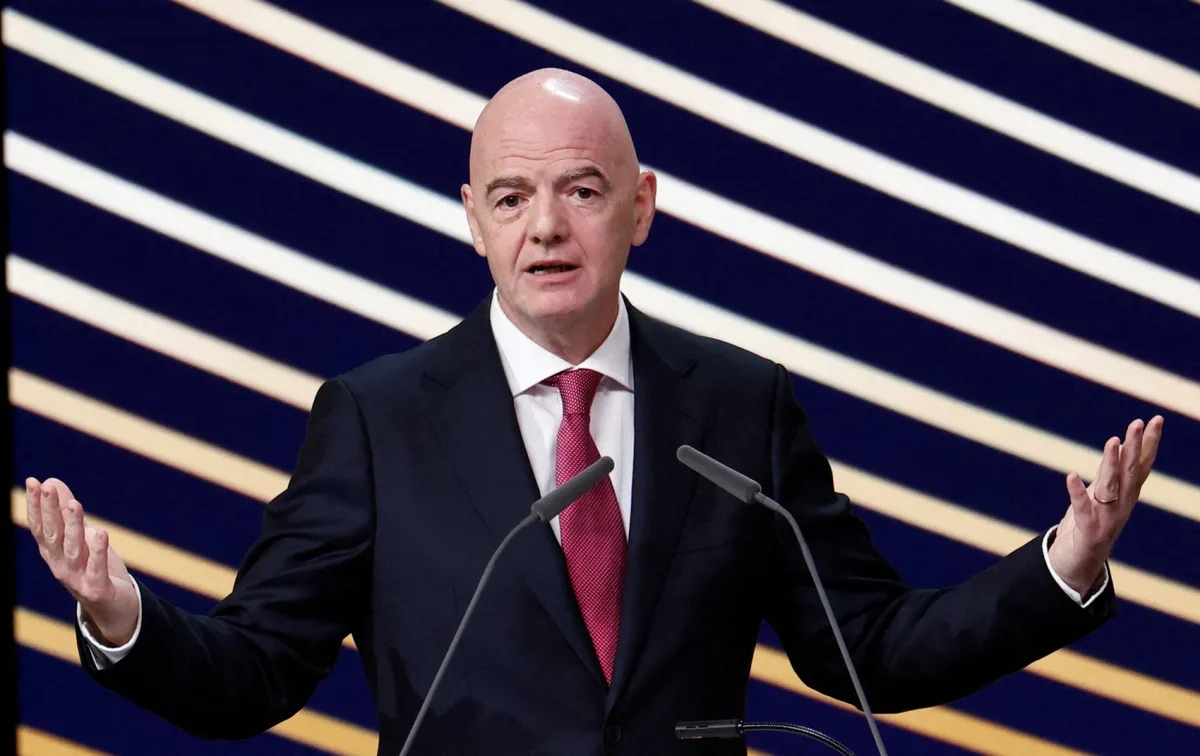
FIFA announced on July 28 a plan to create a $20 billion subsidiary named FIFA Forward Enterprise to manage the World Cup and other events, offering up to 20% stakes to private investors in a bid to raise $4.2 billion [1, 2, 3, 4]. Despite selling minority shares, FIFA said it would retain control over the subsidiary [4].
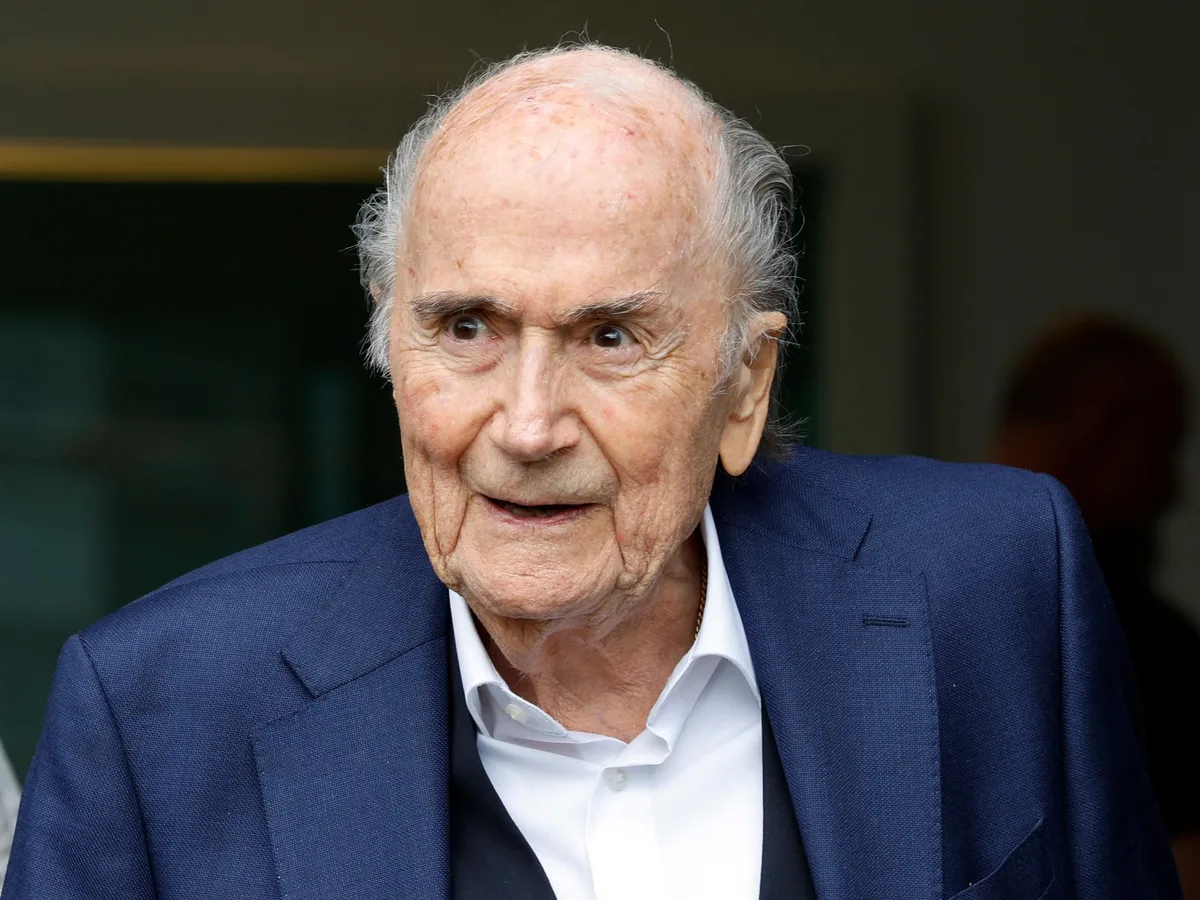
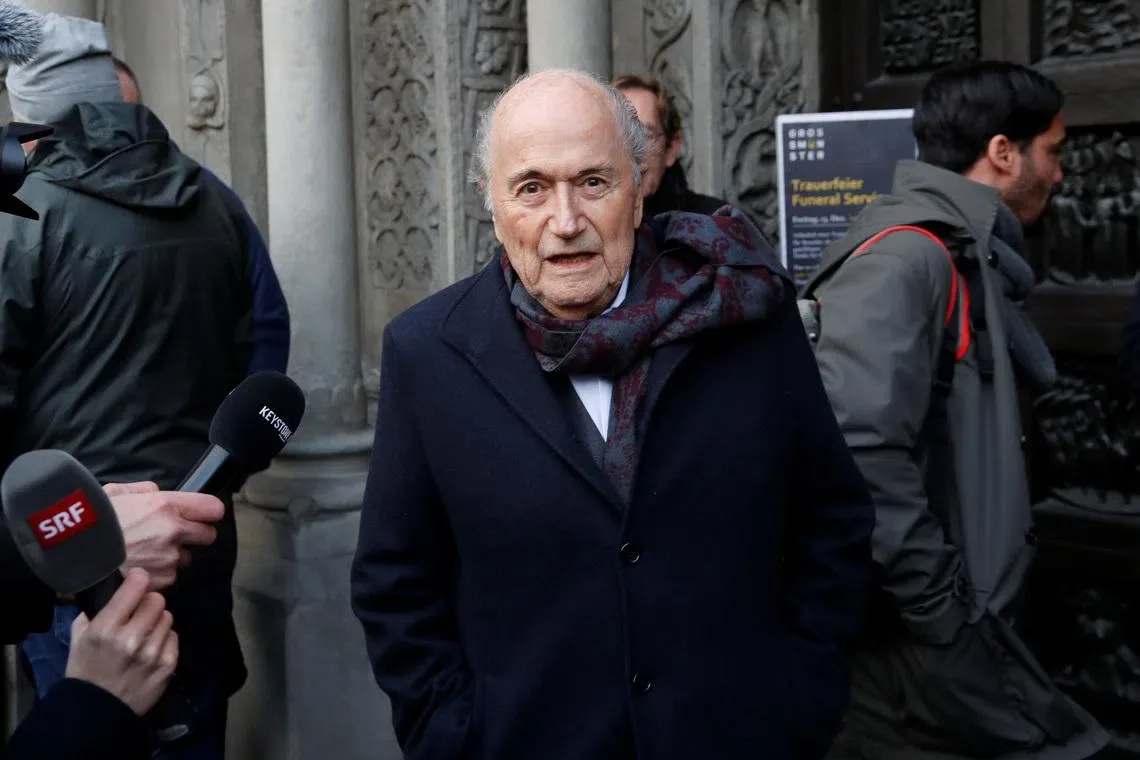
Former FIFA President Sepp Blatter condemned the proposal, saying the World Cup is "not a commercial asset that belongs to a handful of executives" but part of football’s cultural heritage. He told reporters, "Football belongs to no individual and to no institution. It belongs to the people" [1, 2, 3]. Blatter warned, "If FIFA were transferred into a profit-oriented corporate structure, it would lose its soul" and stressed, "FIFA is the guardian of the World Cup, not its owner" [2, 3]. He emphasized that "modern football has survived for more than a century because it belongs to the people" and that principle "should never change" [2].
European football authorities, including UEFA, also voiced furious opposition to FIFA’s plan, accusing the organization of putting the game up for sale [1, 2, 3]. Meanwhile, regional confederations CONCACAF and AFC criticized FIFA for a lack of transparency and consultation, revealing they first learned about the plan through media reports rather than direct communication from FIFA [4].
The new subsidiary's structure aims to modernize FIFA’s event management and funding by involving external investors but has sparked controversy given concerns over commercializing football’s flagship tournament.
FIFA is expected to finalize the details of the subsidiary and begin investor outreach in the coming months, with the goal of securing up to $4.2 billion from minority stake sales.