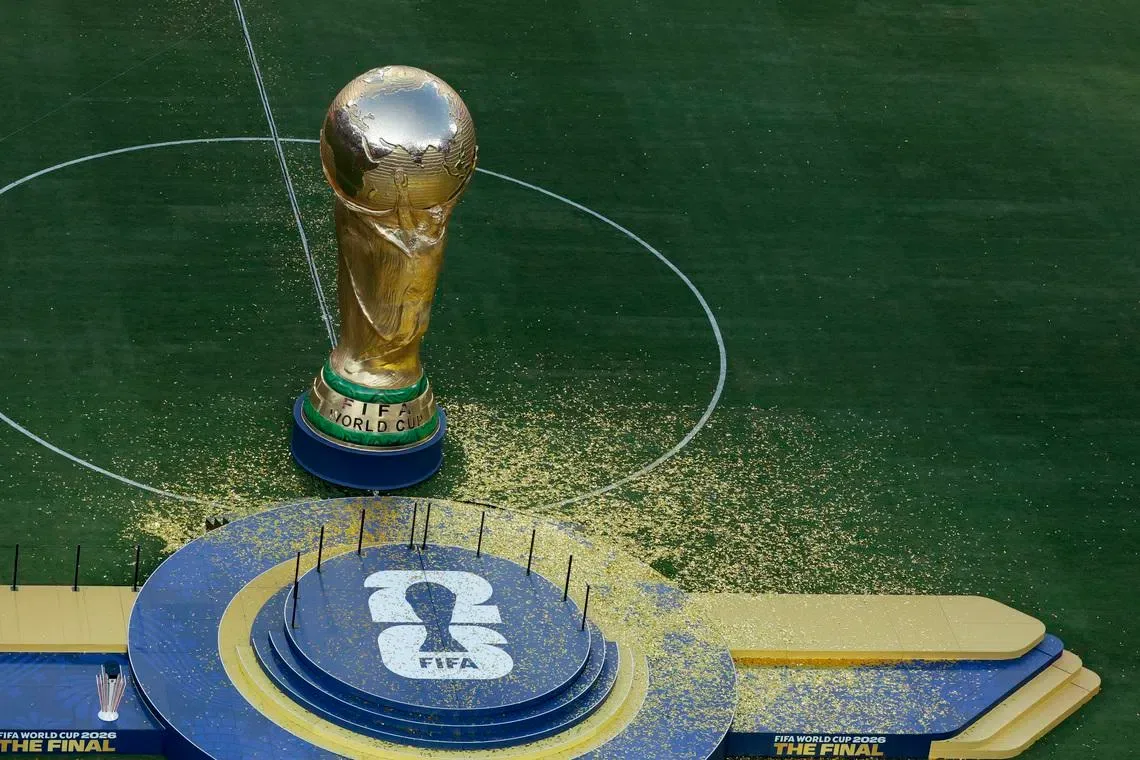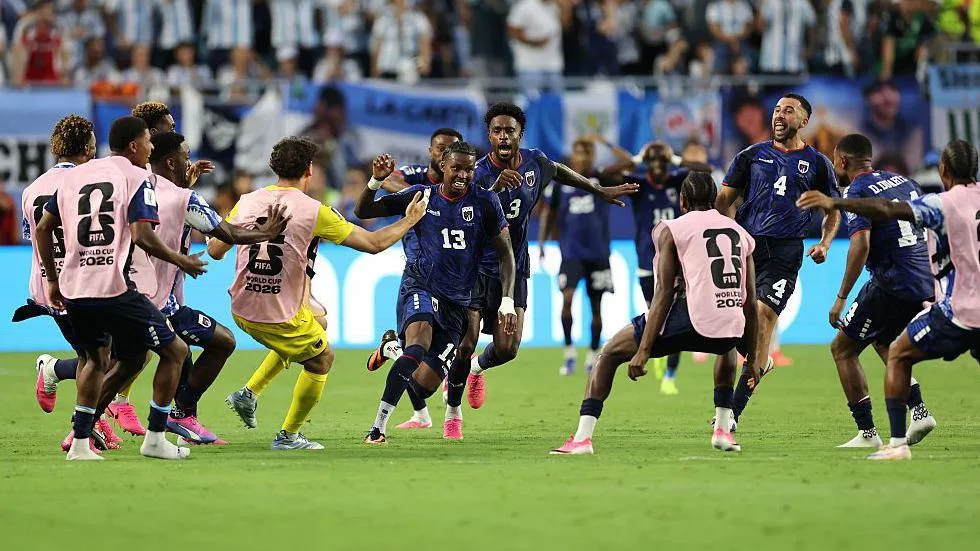
The 2026 World Cup marked the first edition to feature 48 teams and 104 matches, up from the previous 32-team format [1, 2, 3, 4]. The expansion helped double Africa's representation with 10 teams and increased participation from Asia, benefiting smaller football nations [3]. Underdogs including Cape Verde, Ghana, DR Congo, and Curacao surprised fans by earning draws or points against established teams [3].
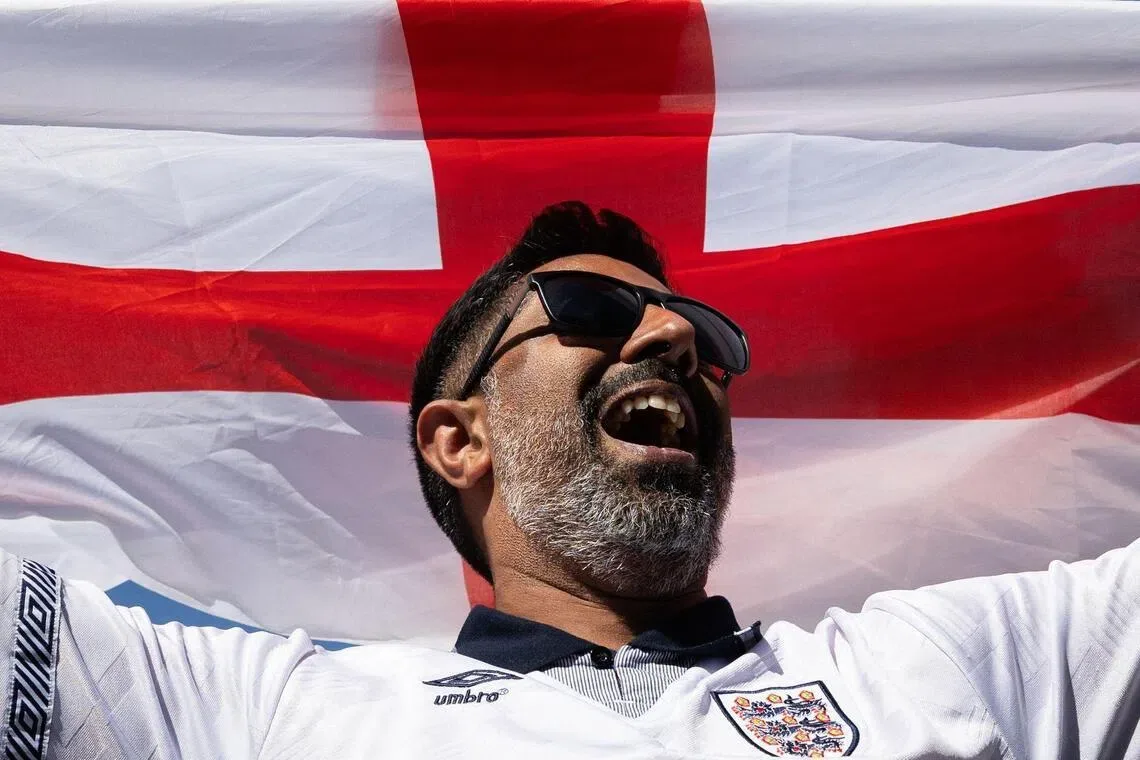
The expanded format generated a significant rise in betting activity. Betting volume rose by 80% compared to the 2022 World Cup, as noted by Darren Small, senior vice president at Sportradar. He said, "We’ve seen an 80 per cent increase in the ticket volume. So we’re seeing more bets and more active customers... we’ve surpassed our expectations compared to 2022 [1]." The four semi-finalists—England, France, Argentina, and Spain—drew the most wagering interest, with England attracting roughly 16.3 million tickets, nearly double the final’s total of 8.5 million [1, 5].
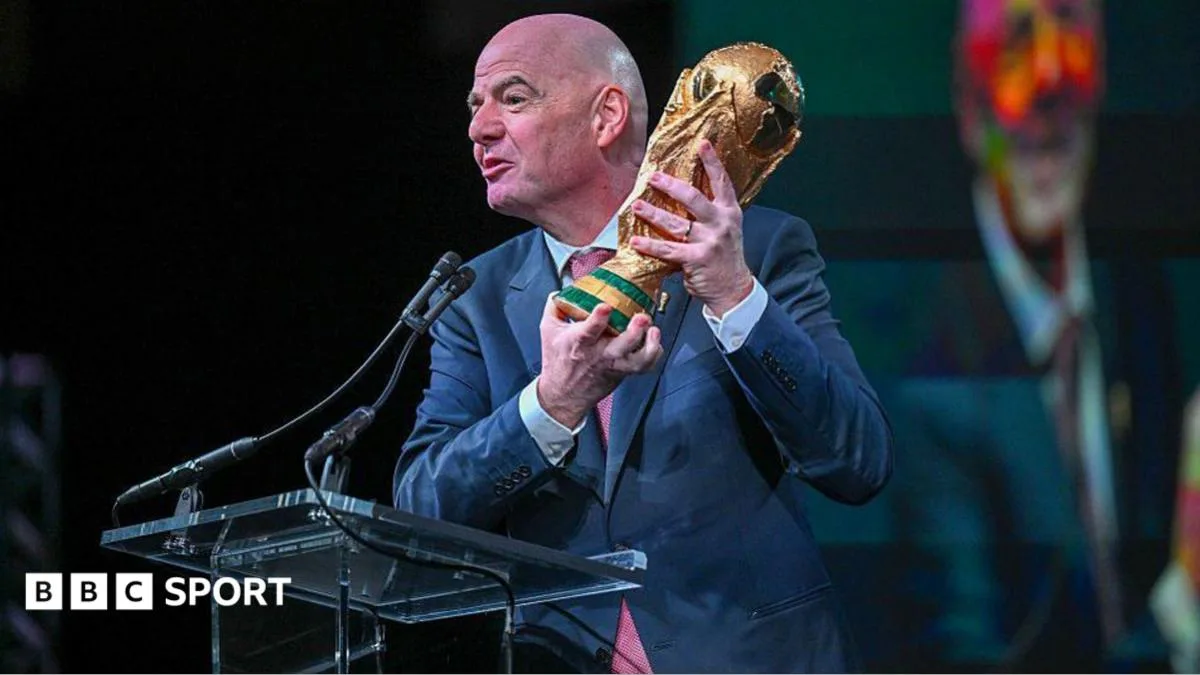
FIFA President Gianni Infantino has publicly acknowledged the possibility of expanding the World Cup further to 64 teams in a future tournament [6, 2, 4]. He argued that giving smaller countries more chances to qualify provides them with incentives to improve. "If you don’t give smaller countries a chance to participate, they’ll lack the incentive to keep improving," Infantino said [6]. He emphasized his vision to organize the World Cup "for the whole world — not just Europe and South America" [2].
A 64-team World Cup would feature 128 matches, 24 more than in 2026, requiring more venues, hotels, transport, and likely extending the tournament duration [2, 4]. However, some confederation leaders oppose this expansion. UEFA President Aleksander Ceferin called it a "bad idea," stating, "I don’t think it’s a good idea for the World Cup itself, and it’s not a good idea for our qualifiers either [2]." Asian Football Confederation’s Sheikh Salman bin Ibrahim Al Khalifa warned it could bring chaos, while CONCACAF President Victor Montagliani said it would damage football’s ecosystem [6, 2, 4].
The tournament’s expanded format has already brought new excitement and financial gains. David Stevens, head of public relations at Coral bookmaker, noted, "Our fear was there would be a large proportion of predictable results... But in the event, that was not the case at all [1]."
Looking ahead, the 2030 World Cup is planned to be hosted primarily by Morocco, Portugal, and Spain, with opening matches in Uruguay, Argentina, and Paraguay marking the 100th anniversary of the inaugural World Cup [6].