Players at the World Cup are enduring a rising pattern of abuse that includes racist and discriminatory attacks both online and in person, FIFPRO said today [1, 2, 3, 4, 5].
FIFPRO highlighted a 13-fold surge in online abuse during the tournament's group stage, with 11% of that abuse racially motivated, according to FIFA's Social Media Protection Service [1, 2, 3, 4]. The organization stressed that these incidents are part of a systemic problem that affects players beyond the pitch. "In recent weeks, players have faced abuse online and in person, much of it racist and discriminatory. There has been intimidation and hostility beyond the pitch," FIFPRO said, emphasizing the abuse is not isolated [1].
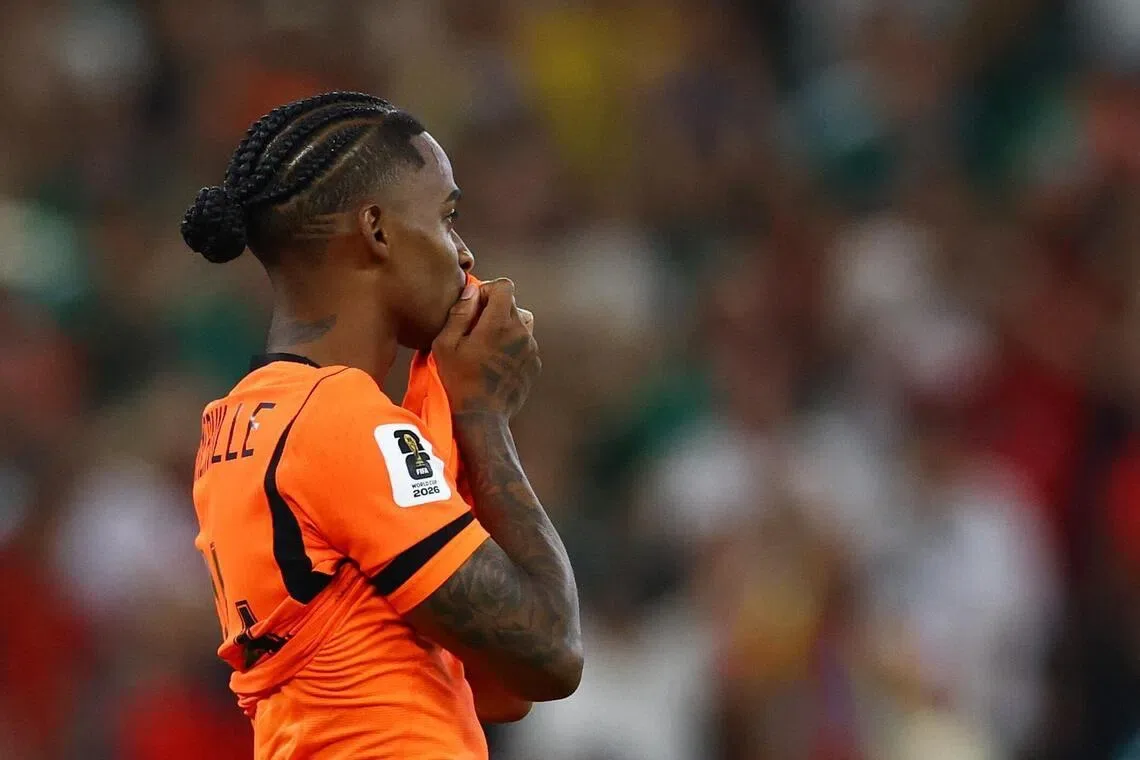
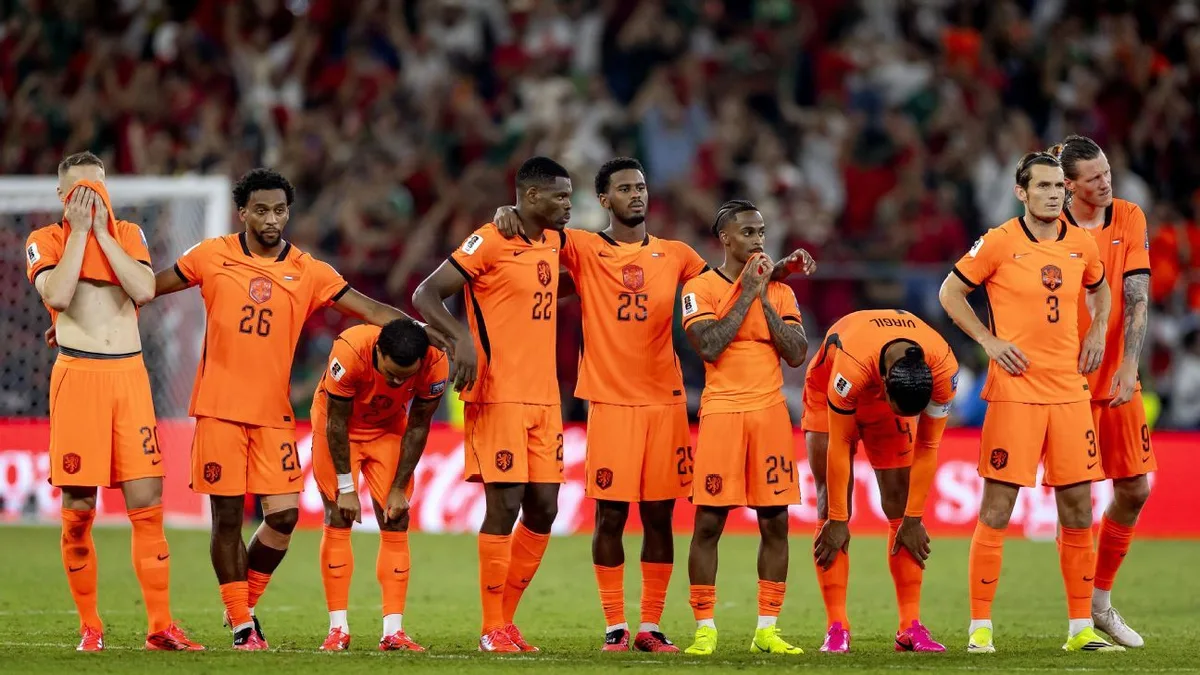
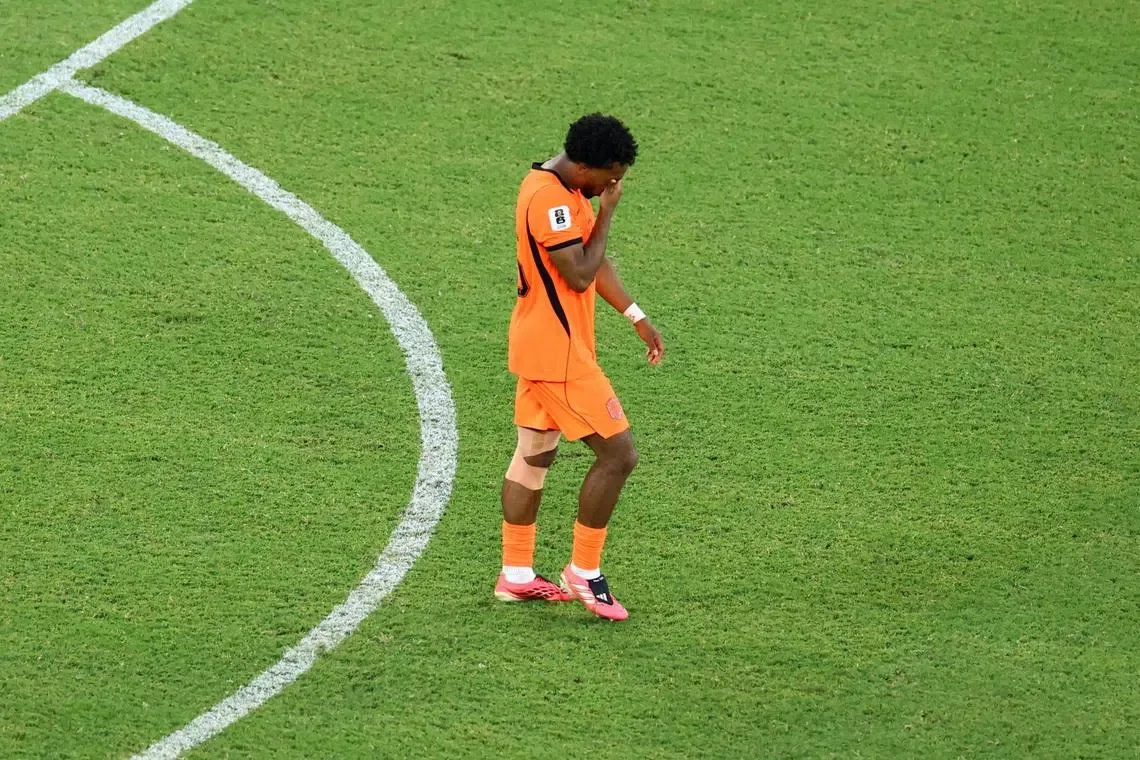
In the knockout phase, players from the Netherlands team—Justin Kluivert, Quinten Timber, and Crysencio Summerville—received racist abuse online after missing penalty kicks in their round-of-32 shootout loss to Morocco [1, 2, 3, 4]. The Netherlands Football Association confirmed that some players were treated in a racist and discriminatory manner after the elimination [5].
FIFPRO called on football stakeholders, public authorities, social media platforms, media, fans, and law enforcement to take stronger collective measures to protect players. "Players shoulder the expectations of a nation, but this must never come at the cost of their safety, dignity or wellbeing," FIFPRO said. They urged meaningful consequences for abusers, noting that monitoring and reporting alone cannot prevent harm [1].
The union described the national team as an extension of the players' workplace and said they must be protected accordingly. "While important steps have been taken, FIFPRO calls on football stakeholders, and public and private actors, to increase their efforts," the group said [1].
FIFPRO first publicly raised concerns about the growing pattern of racist abuse toward World Cup players and urged urgent action on July 4 [1, 2, 3, 4]. The call comes amid heightened media scrutiny and backlash linked to team eliminations during the tournament.
The next World Cup stage promises more intense competition, with players and governing bodies expected to confront the abuse challenge as the tournament progresses.