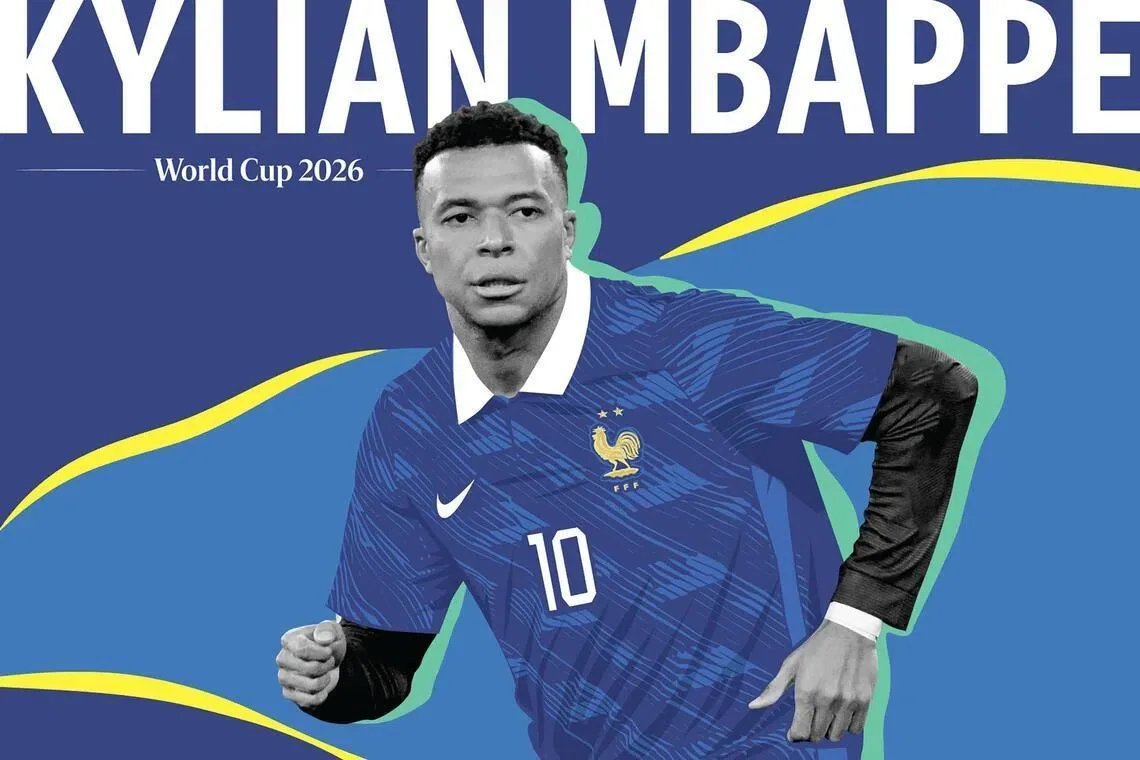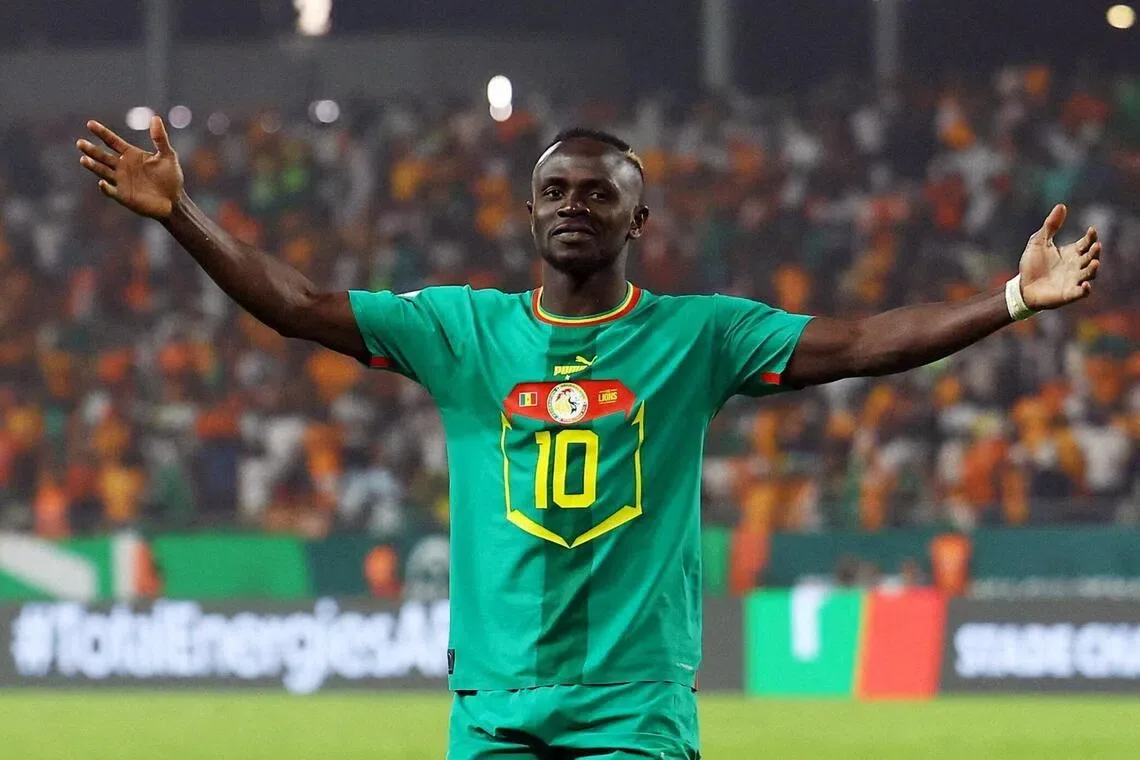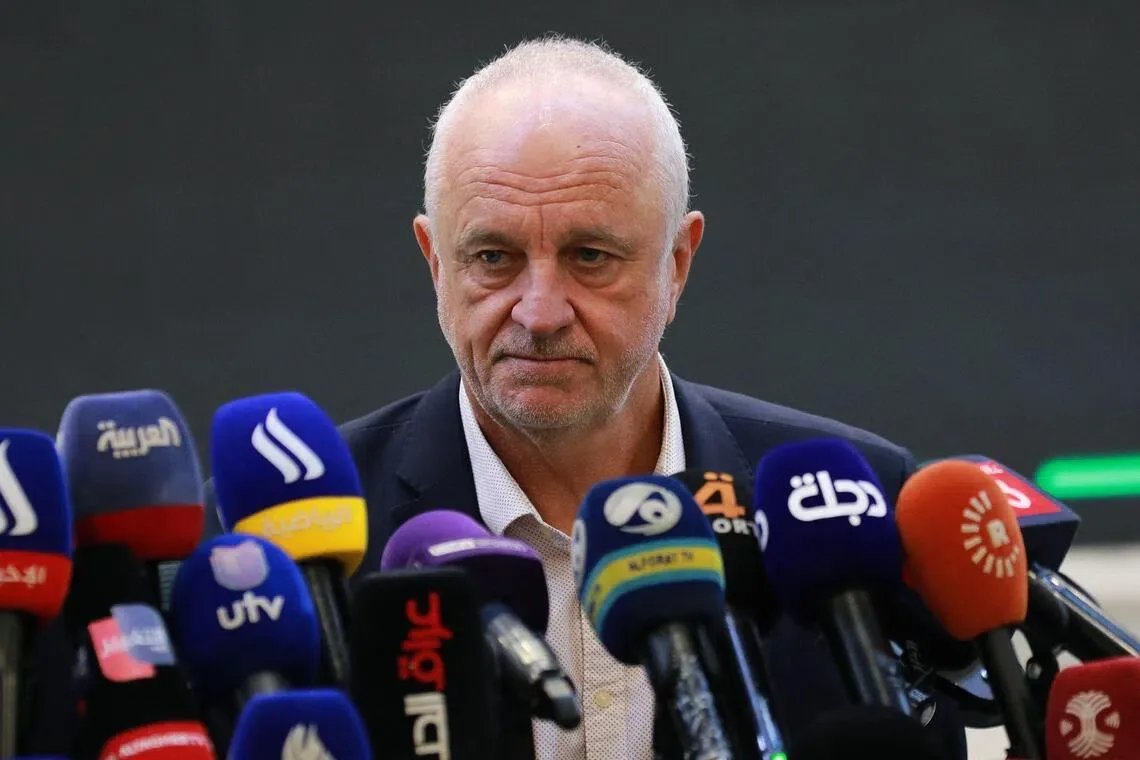
Group I is widely regarded as the most compelling of the 48-team World Cup 2026, featuring past champions France alongside Senegal, Norway, and Iraq [1, 2, 3].
France enter the tournament as clear favourites in Group I, seeking to reach a third consecutive World Cup final. They hold the world FIFA ranking of 3rd and finished qualifying with 5 wins, no losses, and 1 draw. France won the World Cup in 1998 and 2018 and were runners-up at the 2022 tournament [1, 2, 3]. Their squad depth was on display in a March 2026 friendly win over Colombia, where France triumphed 3-1 while resting key players [1, 2, 3]. Head coach Didier Deschamps is expected to step down after the World Cup, providing added motivation for the squad [1, 2, 3].
Senegal is Africa's leading hope in the tournament, ranked 15th by FIFA with a qualifying record of 7 wins, no losses, and 3 draws [1, 2, 3]. They reached the Round of 16 at the last World Cup, with their best tournament result being a quarter-final appearance in 2002 [1, 2, 3]. Senegal’s 2025 Africa Cup of Nations victory was revoked after the team forfeited the final against Morocco following a controversial walk-off protest over a referee decision [1, 2, 3]. Their attacking lineup features key players including Sadio Mane, Iliman Ndiaye, and Nicolas Jackson [1, 2, 3].
Norway returns to the World Cup for the first time since 1998 after an unbeaten qualifying campaign with 8 wins, no draws or losses, scoring 37 goals in total. The Norwegian team holds a 31st FIFA ranking [1, 2, 3]. Norway's best World Cup performances remain reaching the Round of 16 in both 1938 and 1998 [1, 2, 3]. Their dominance in qualifying signals a competitive edge within the group [1, 2, 3].
Iraq rounds out Group I aiming to remain competitive among football’s elite [1, 2, 3].
The group stage matches will commence with all four teams seeking to advance, while Didier Deschamps’s announced departure after the tournament adds a poignant narrative for France as they chase another final appearance in the coming weeks [1, 2, 3].