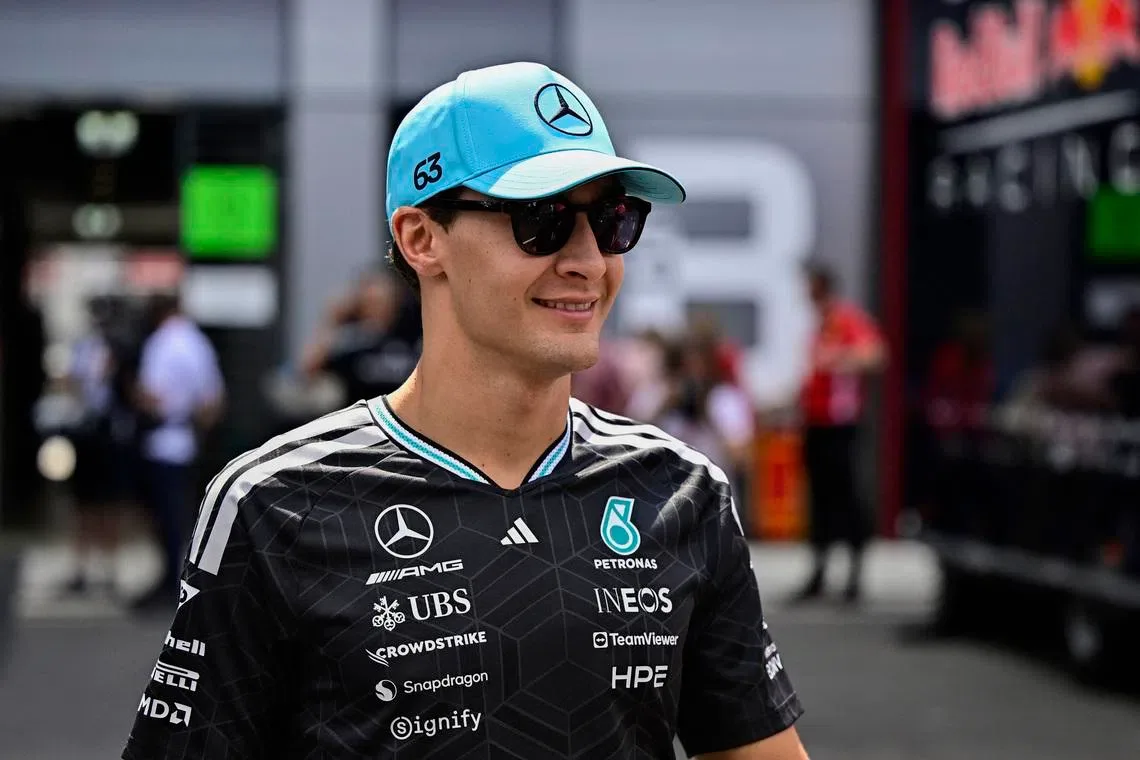
George Russell said Mercedes have fixed a complex issue in the car’s energy management system that had slowed his performance during recent races. He described the problem as a deeply embedded calibration error in the electronic control software of the new power units affecting electrical energy deployment [1, 2, 3, 4, 5].
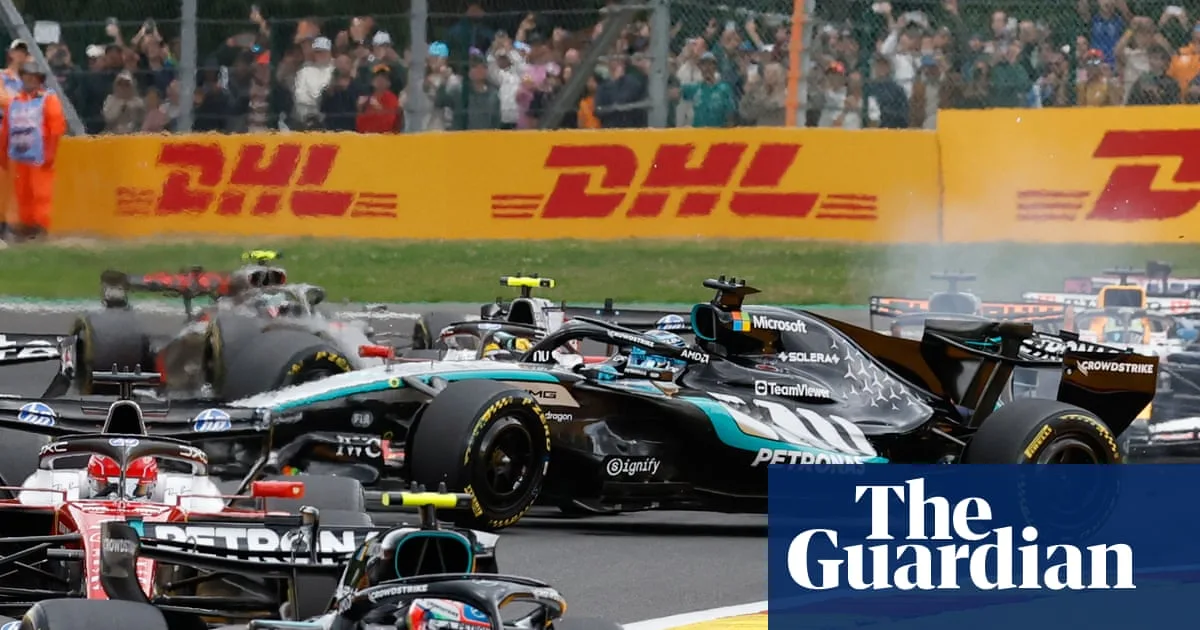
Russell’s car suffered a critical lack of electrical energy deployment on the opening lap of the Belgian Grand Prix on July 19. This led to a loss of straight-line speed and a collision with teammate Lewis Hamilton, forcing him to retire from the race [1, 2, 3, 4, 5]. He had been grappling with these energy deployment problems for about three races, including the Austrian GP, Silverstone, and Spa [3].
After 10 rounds of the championship, Russell sits third overall, 50 points behind teammate and championship leader Kimi Antonelli, who has six race victories. Russell noted he is closer to Antonelli now than he was after Monaco in June, when the gap was 68 points [1, 2, 4, 5]. Despite the setbacks, Russell said, "Three days later I'm feeling good and glad there are some positive answers that have come back from the factory and it's eyes forward now" [1].
The issue was particularly difficult to find because the electronic control units now feature fewer sensors and new regulations, making the problem almost impossible to detect without knowing what to look for. Russell said, "There was just something deeply embedded in the calibration of the code that... it was almost impossible to see unless you knew exactly what to look for. So yeah, I'm glad we have found it" [1].
Russell admitted his radio outburst after the Belgian GP was an emotional reaction but stands by it as necessary to highlight the issue. "My words could have been slightly different. I felt quite vocal about this issue pre-Spa and during Spa, and ultimately we have achieved what we wanted to in the sense of finding there was an issue," he said. "If you sit there and not express any views, maybe you find an issue, maybe you don’t, you don’t move forward" [1, 2, 3].
At 28 years old, Russell compared his current struggles and recovery to his mental resilience during his Formula 2 title-winning season. "I definitely feel this is the most resilient I've ever been in my whole life. So I take pride in that as my mentality outside of the car," he said [1, 2, 4].
Mercedes confirmed they identified and fixed the energy deployment problem ahead of the Hungarian Grand Prix on July 23, giving Russell optimism for the races ahead [1, 2, 3, 4]. More than half the season remains after the first 10 rounds, with Russell aiming to close the gap to Antonelli in the coming races [1, 2, 4].