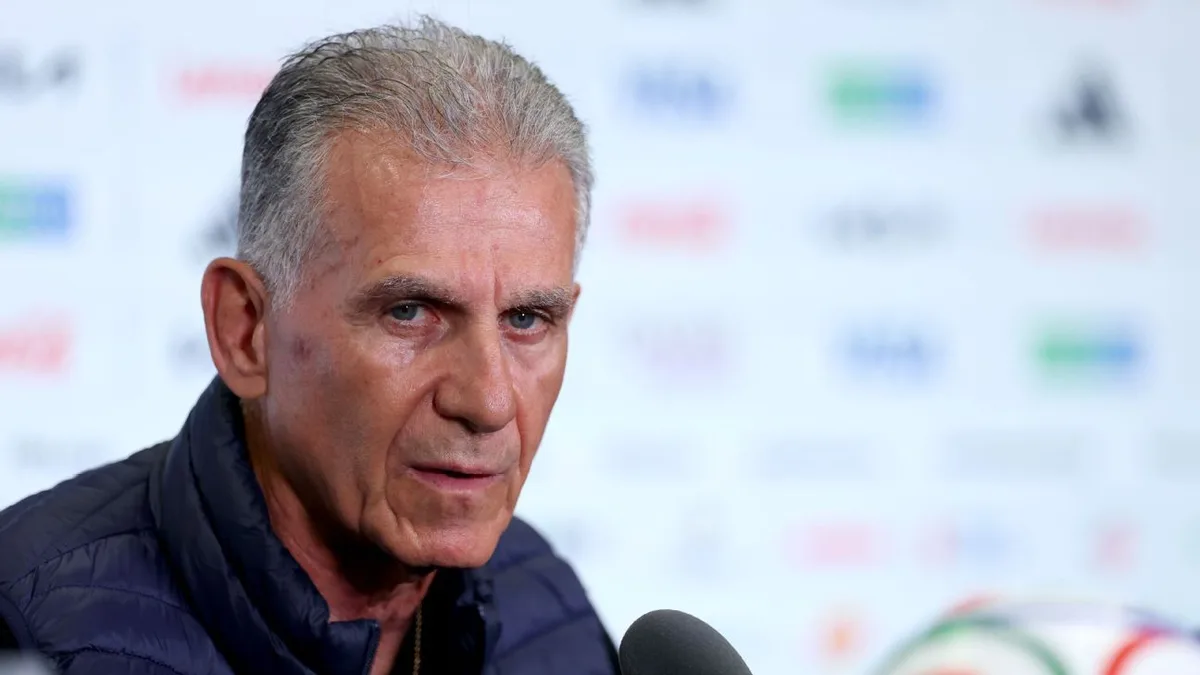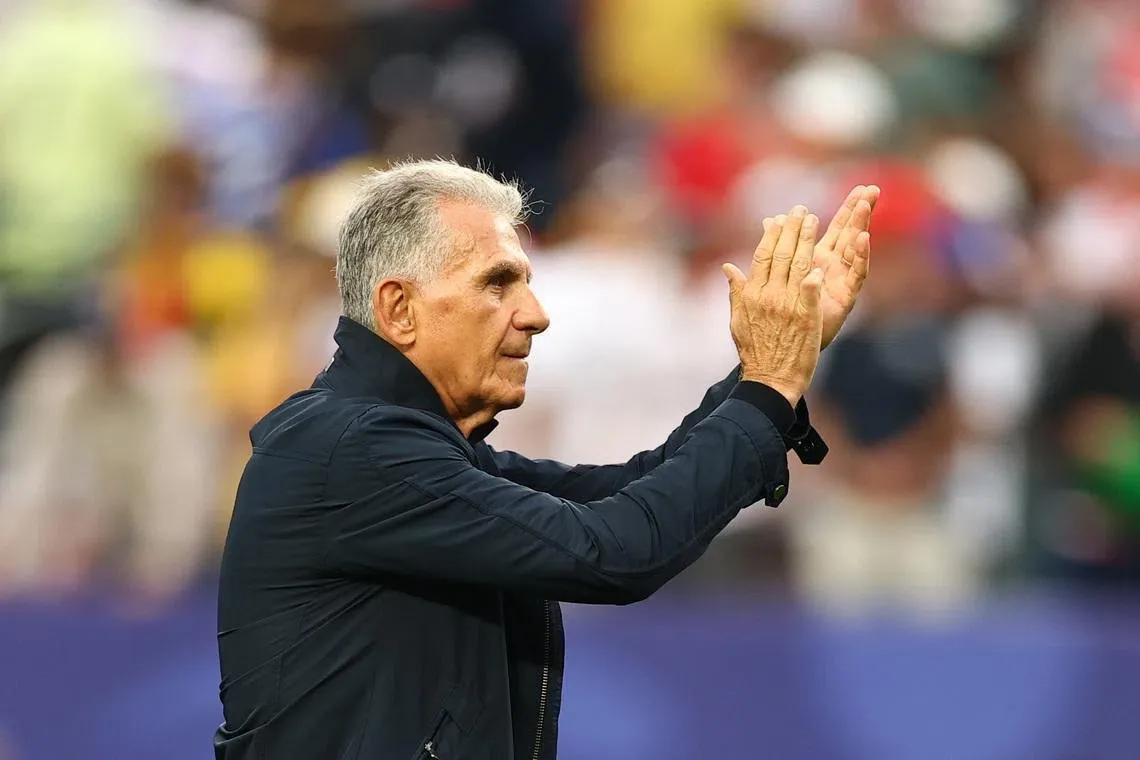
Ghana coach Carlos Queiroz sharply criticized the expanded 48-team World Cup format at a news conference on June 27, calling it a "vulgar, ordinary competition" driven by financial motives rather than sporting merit [1, 2, 3]. Queiroz said the increase in qualifying teams has reduced the rarity and value of reaching the World Cup, stating, "With so many teams qualifying for the World Cup, I think the value of the competition in terms of being rare to be in the World Cup, is, in my opinion, still debatable" [1].
He highlighted that qualification matches have lost significance in both Europe and Africa as many teams now automatically qualify, warning that the tournament should remain "serious, tough, and competitive" [2]. Queiroz expressed concern about player welfare due to longer seasons and extra matches introduced by the expansion, pointing to the increased physical demands on players [1, 3].
Queiroz suggested that financial interests have influenced the decision to expand the tournament, saying, "Today, money talks. In the game, money talks... When money starts to talk, the decisions inside the pitch start to change" [3]. He also emphasized the value of learning and progress through the game, noting, "The best thing of this game, it is what we learnt from the game... We have a clear picture about the performance of some players, what we can do different in the next coming games" [1, 2].
Ghana lost 2-1 to Croatia on June 27 but still qualified for the round of 32 as one of the best third-placed teams under the expanded format [1, 2, 3]. The Ghana squad will face Colombia on July 3 (local time July 4) in Kansas City [1, 2, 3].
Queiroz is appearing in his fifth World Cup as a coach. The 2026 tournament marks the first with 48 teams and 10 African nations participating, up from previous editions [1, 2]. Ghana's next match against Colombia will test the team’s ability to advance amid the ongoing debates surrounding the tournament's structure.