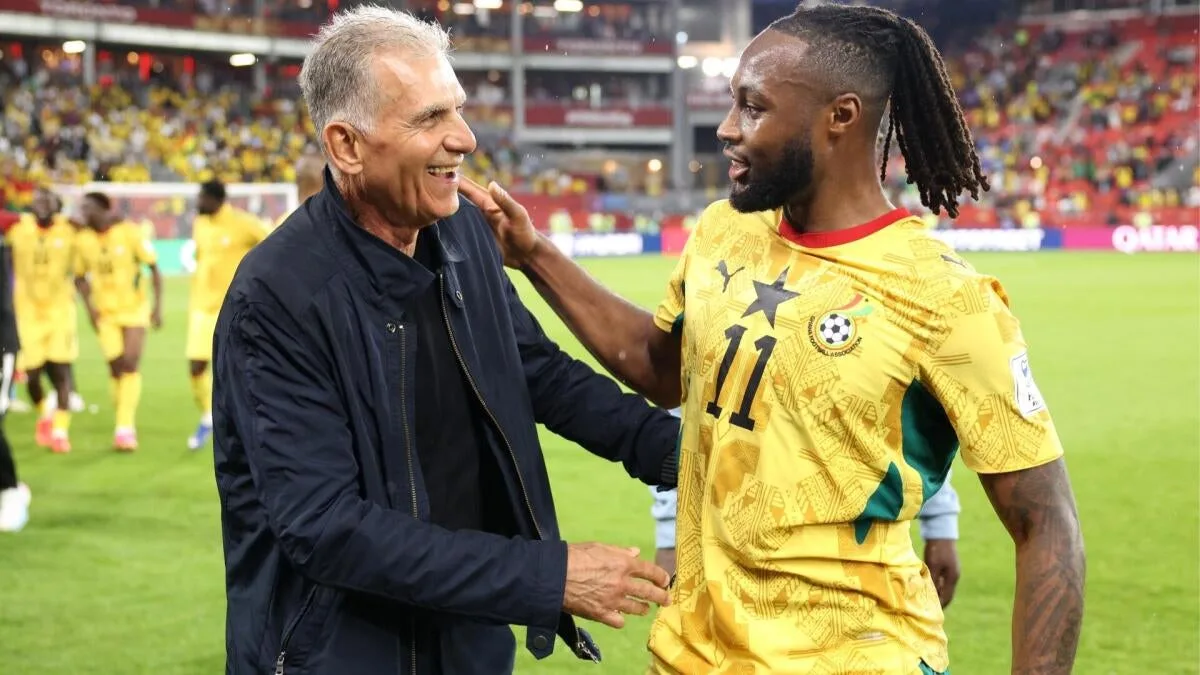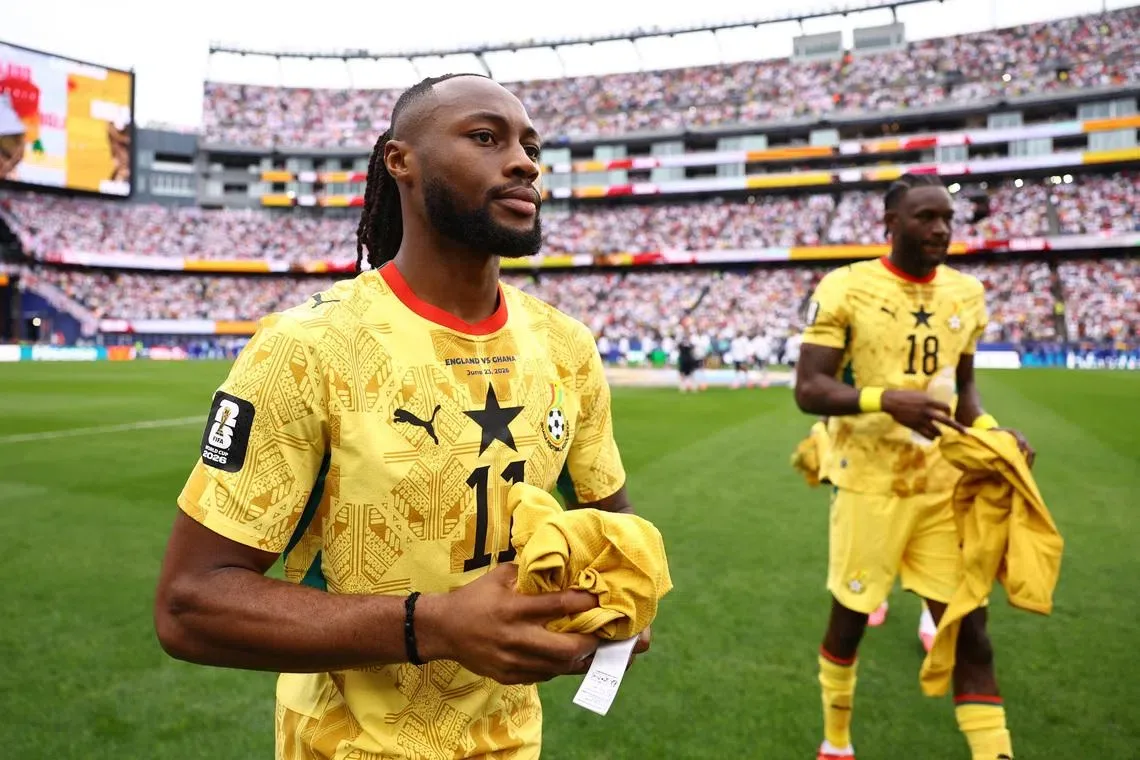
Ghana drew 0-0 with England in their World Cup Group L match on June 26, 2026, leaving both teams level on four points but Ghana behind on goal difference[ s1,s2,s3]. Ghana forward Antoine Semenyo said players need to "gang around the referee and complain" more aggressively to influence VAR decisions during games. He said, "I think as a team, we need to be more aggressive around the officials...pestering the fourth official" [1].
The Ghana team felt aggrieved after an aerial challenge involving Prince Kwabena Adu and England’s Ezri Konsa was not reviewed as a potential penalty by either the on-field referee Said Martinez or VAR[ s1,s2,s3]. Ghana coach Carlos Queiroz criticized the slow progress of VAR technology, pointing out that 10 years after its introduction there remains little improvement. He said, "There is no excuse, no reason for VAR not to be better than this...It’s time for FIFA authorities to review what has been happening behind the scenes" [2].
Queiroz also highlighted a dilemma his players face. When they protest decisions, they risk yellow cards, but if they remain silent, criticism follows for not challenging referees. He said, "We don’t know where we should stand" between protesting and accepting calls [2].
Ghana’s frustration over VAR was not limited to the England match. The team felt a clear penalty was denied during their previous World Cup win against Panama as well [3].
Looking ahead, Ghana will secure a top-two finish in Group L and advance to the knockout stage with at least a draw against Croatia on Saturday, June 27, 2026 [1, 2, 3]. If Ghana finishes second, their next match will be back in Toronto. However, midfielder Thomas Partey will miss that game after being denied entry to Canada due to legal issues. Partey faces seven rape and two sexual assault charges in Britain, which he denies. Queiroz directed media questions about Partey’s visa status to Canadian authorities, saying such issues are beyond the team’s control [1, 2].