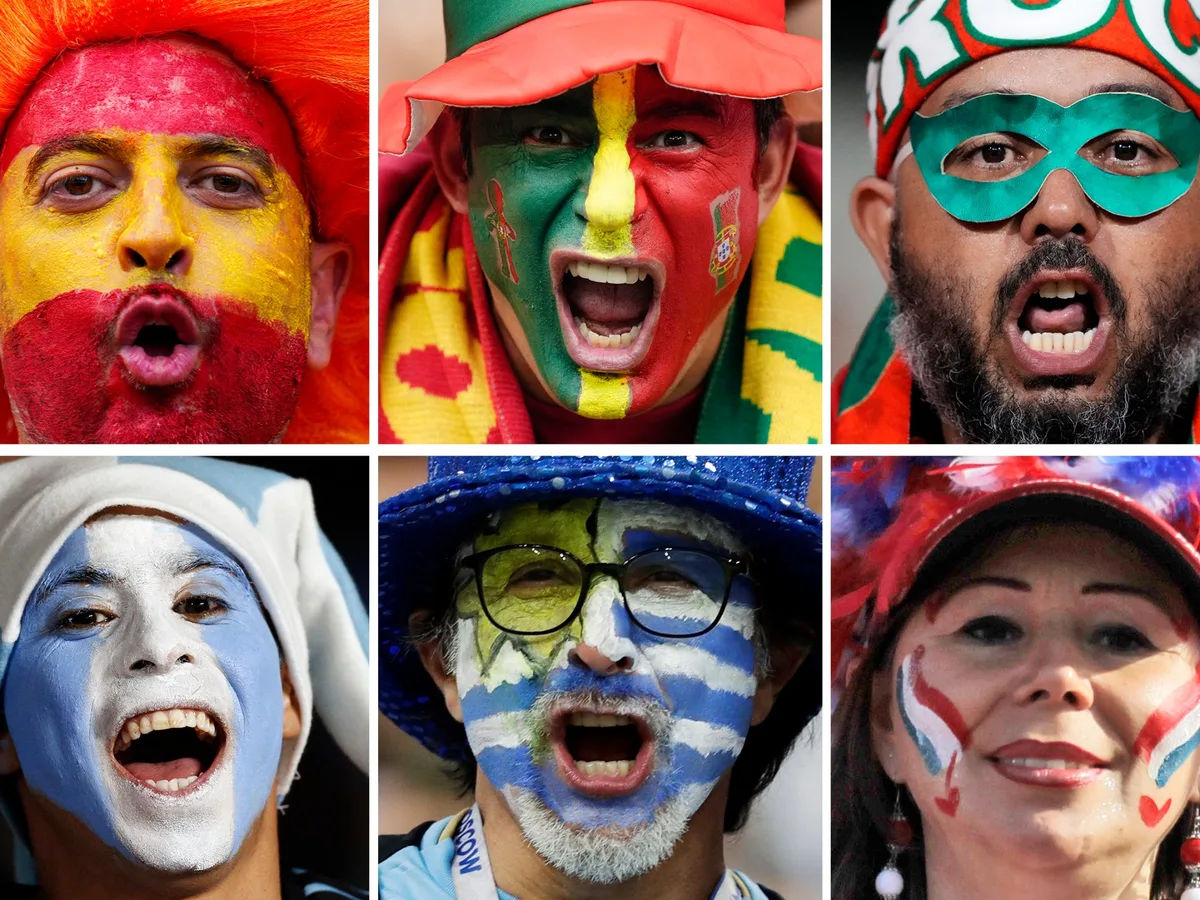
The 2030 FIFA World Cup will be jointly hosted by Morocco, Portugal and Spain, marking the centenary of the tournament's first edition in 1930 [1, 2, 3, 4, 5, 6]. The tournament will span three continents and six countries, with three opening matches scheduled for June 8-9 in Uruguay, Argentina and Paraguay to honor the original host nations [1, 2, 3, 4, 5, 6]. Uruguay won the inaugural World Cup, Argentina was runner-up, and Paraguay hosts South America's CONMEBOL football confederation [1, 2, 3, 4, 5, 6].
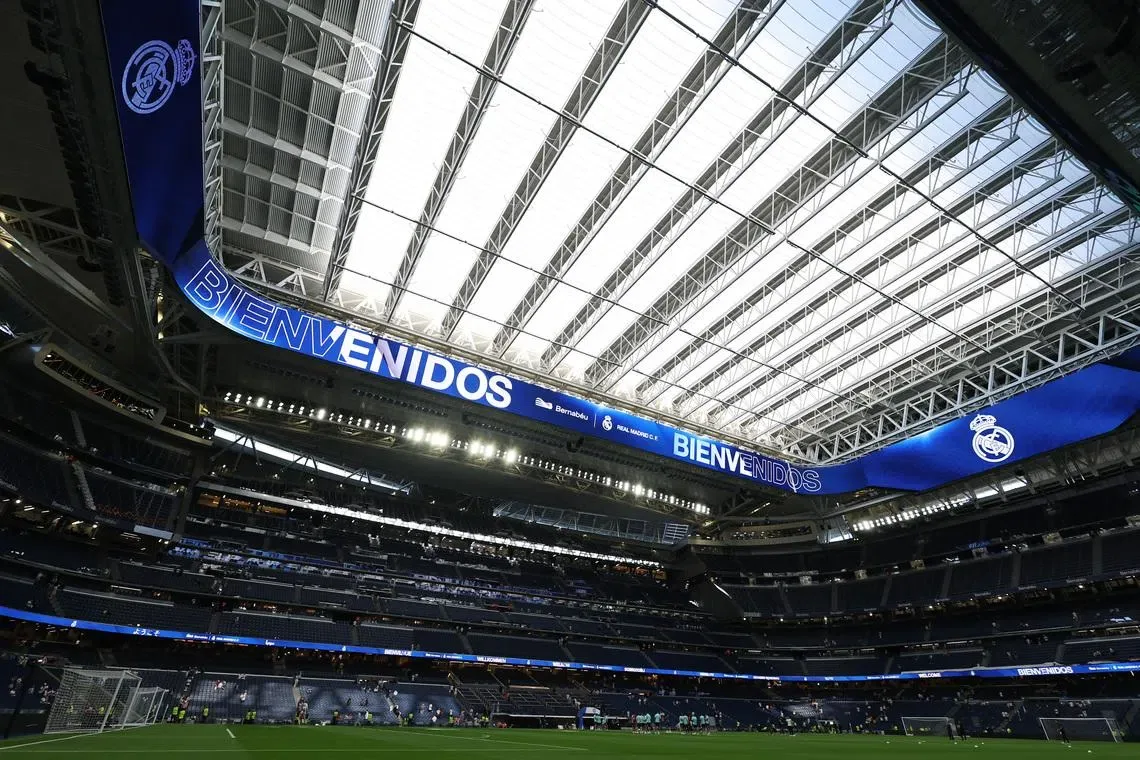
Main tournament games will take place in the three host countries from June 13 or 14 onward, with the final planned for July 21, 2030 [1, 2, 3, 4, 6]. However, the exact venue for the final remains undecided and is a point of contention between Morocco and Spain [7, 8]. Morocco is building a new 115,000-seat Hassan II Stadium near Casablanca targeting completion by the end of 2027 to host the final [7, 8]. Spain insists the final should be held on home soil, proposing either Madrid's 83,000-seat Santiago Bernabeu or Barcelona's Camp Nou, which is undergoing renovations to expand to 105,000 seats [7, 8]. Rafael Louzan, president of the Spanish football federation, said, "Spain has a proven organisational capacity over many years, and therefore Spain is going to be the one to lead that World Cup 2030 and where the final of the tournament will be played" [7]. Meanwhile, Morocco's federation president Fouzi Lekjaa stated, "No decision has been taken to date regarding the allocation of the matches. These choices are made exclusively through consultations between the three host countries and FIFA" [7].
The six host countries automatically qualify for the tournament, which is currently planned to feature 48 teams—the same number as in 2026—with FIFA considering expanding to 64 teams [1, 2, 3, 4, 5, 6, 9]. Spain became the first defending World Cup champion to host the following tournament after winning the 2026 final against Argentina on July 19, 2026 [1, 2, 4].
The selection of the Morocco-Portugal-Spain bid was unanimous in October 2023, decided by the FIFA Council over a South American bid [5]. However, tensions rose after incidents during the January 2026 Africa Cup of Nations in Morocco, causing Spain's football president Rafael Louzan to question Morocco's readiness to host the final [7, 8]. Louzan commented that while Morocco is transforming, some scenes during the tournament "harm the image of world football" [7].
As preparations continue, the completion of Morocco's new stadium at Hassan II near Casablanca by the end of 2027 remains on track [7, 8]. FIFA and the three main hosts will finalize the details on venue allocations, including the final match location, in due course [7, 8].