Players arriving in Miami for 2026 World Cup matches faced severe heat and humidity that threatened endurance and performance, officials said [1]. The wet bulb globe temperature at some games could approach 120°F (48.8°C), combining heat, humidity, sunlight, and local environmental factors. Dr. Jason Kostrna explained, "Our wet bulb globe temperature for some of these games could be close to 120 degrees Fahrenheit (48.8°C) when you factor in radiative heat, humidity, the ambient temperature and throw in a little bit of the plastic or concrete jungle effect" [1].
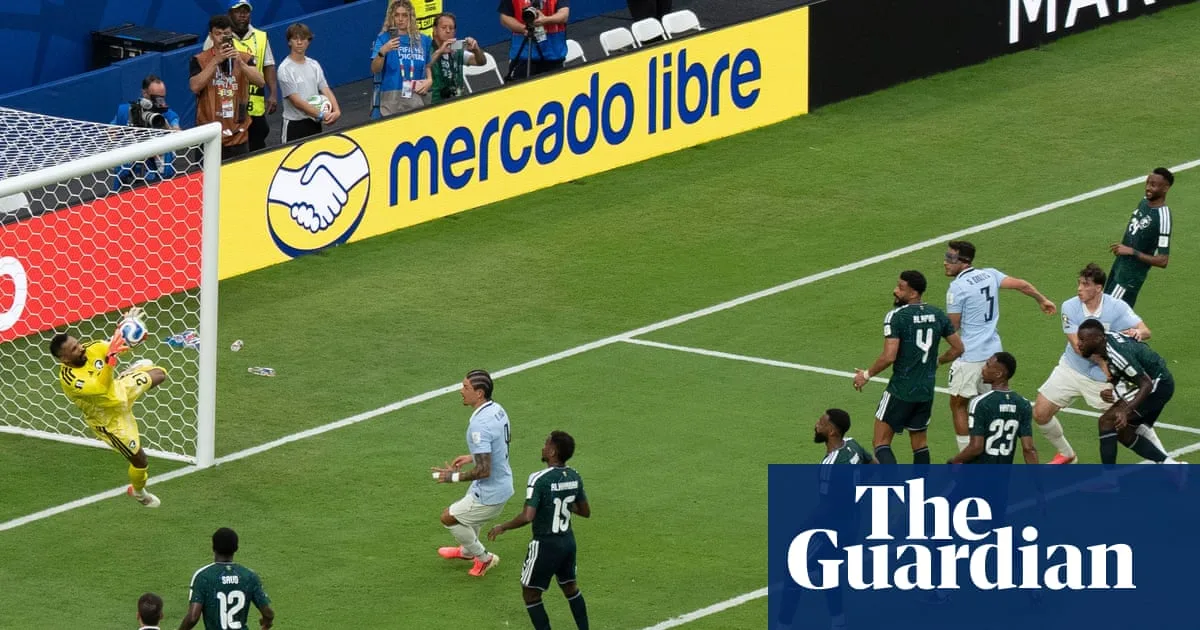
Two first-round matches were played in conditions where the wet bulb temperature reached 28°C (82°F) or higher, a level considered risky by the global players' union [2]. Among the first 24 matches held across venues in the US, Mexico, and Canada, the Saudi Arabia vs. Uruguay game in Miami had the highest heat stress [2]. Such heat stress leads to increased heart rate and reduced decision-making sharpness, factors that can impact player safety and performance. Dr. Kostrna noted, "You'll start to see the pace of play maybe drop a little, you'll start seeing that decision-making becomes a little more conservative. Whether that's consciously or unconsciously, depends on the athlete" [1].
To counteract these risks, FIFA has implemented mandatory water breaks during matches and adjusted kick-off times to cooler periods of the day [2]. Some stadiums hosting games, such as during the England vs. Croatia match, used air conditioning to keep indoor temperatures around 22°C (71°F) to help reduce heat exposure [2]. Meanwhile, Miami-Dade County installed cooling stations, hydration zones, and misting areas at Miami Stadium to protect fans and stadium workers from the heat [1].
Players and teams arrived in Miami on June 17, 2026, to face these extreme heat and humidity conditions during the World Cup [1]. Between June 17 and June 19, two matches out of the first 24 were held at dangerously high wet bulb temperatures exceeding the 28°C threshold recommended by the players' union [2]. Starting the same day, FIFA activated heat mitigation measures including water breaks, adjusted kick-offs, and use of air conditioning in some venues [2].