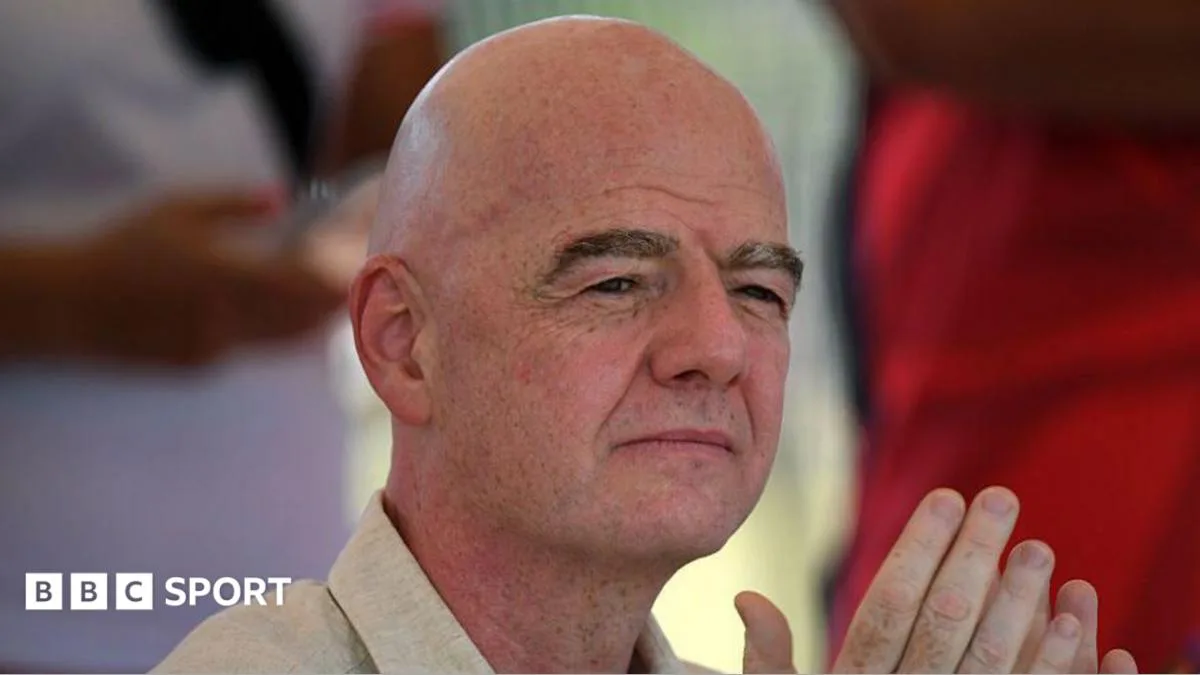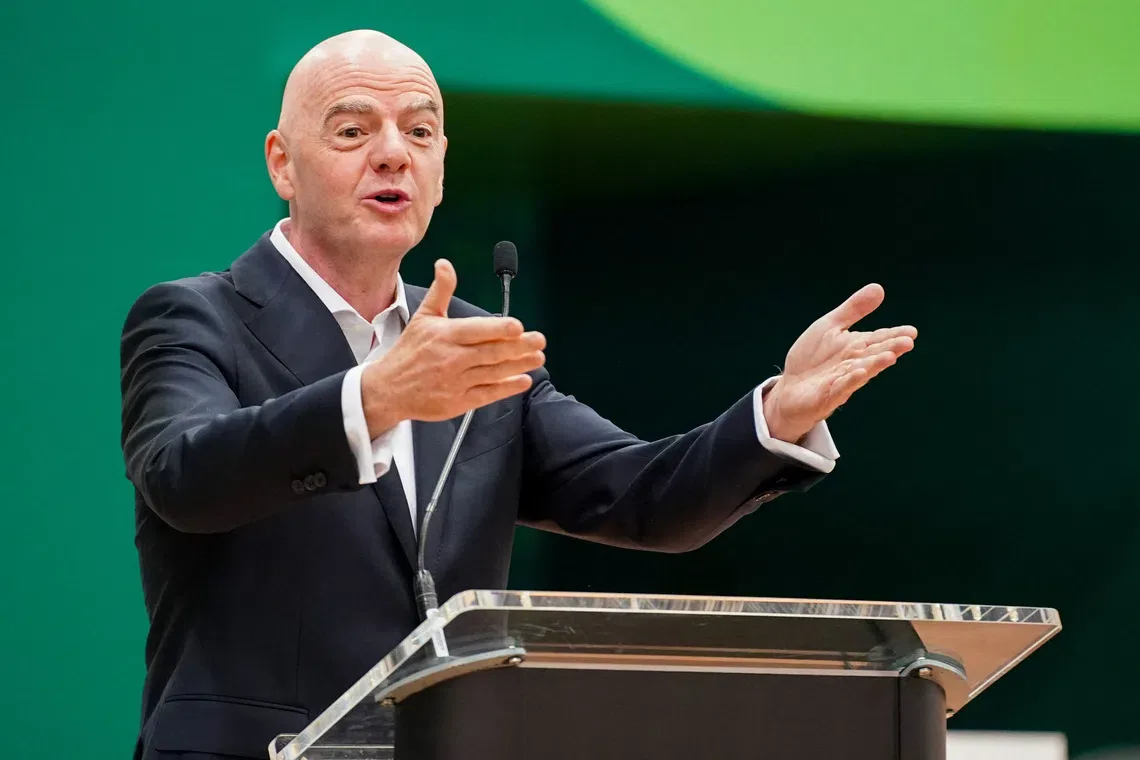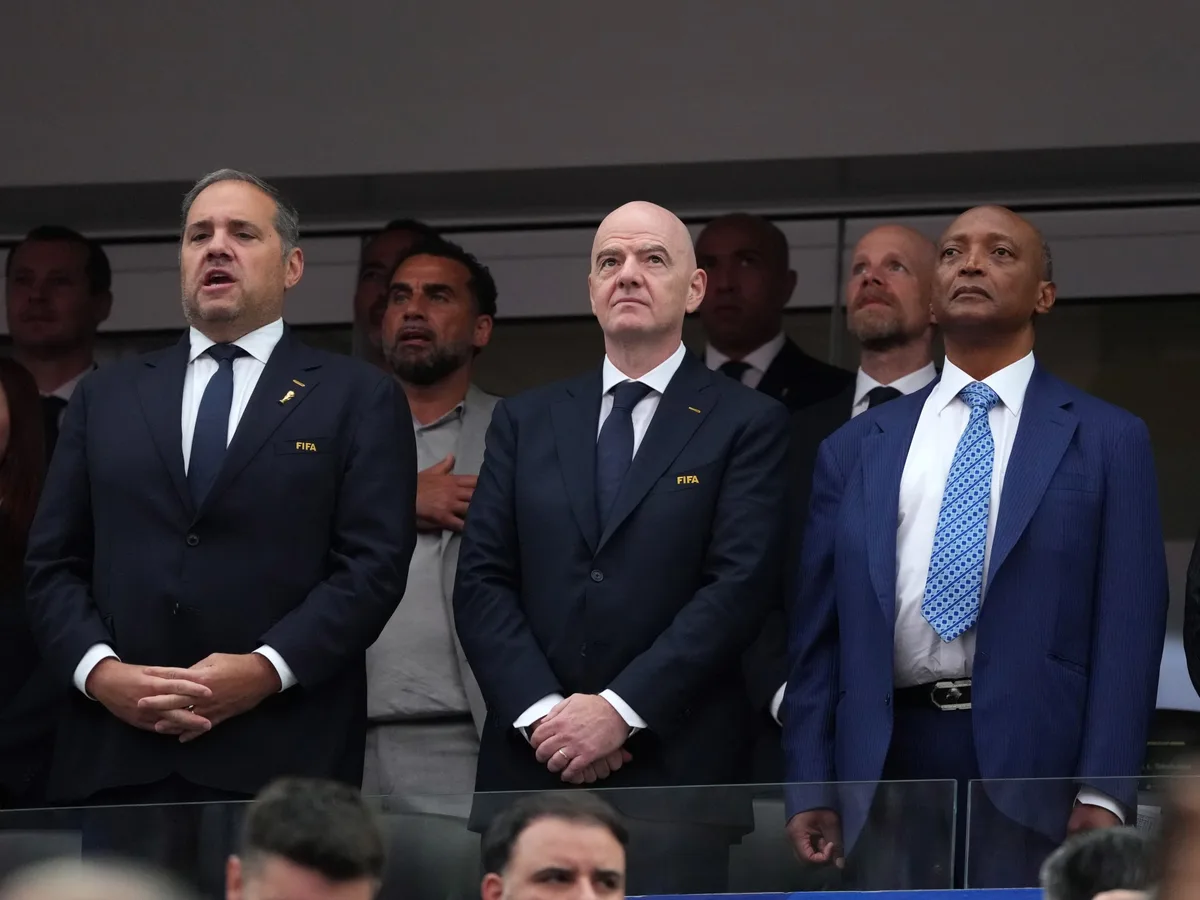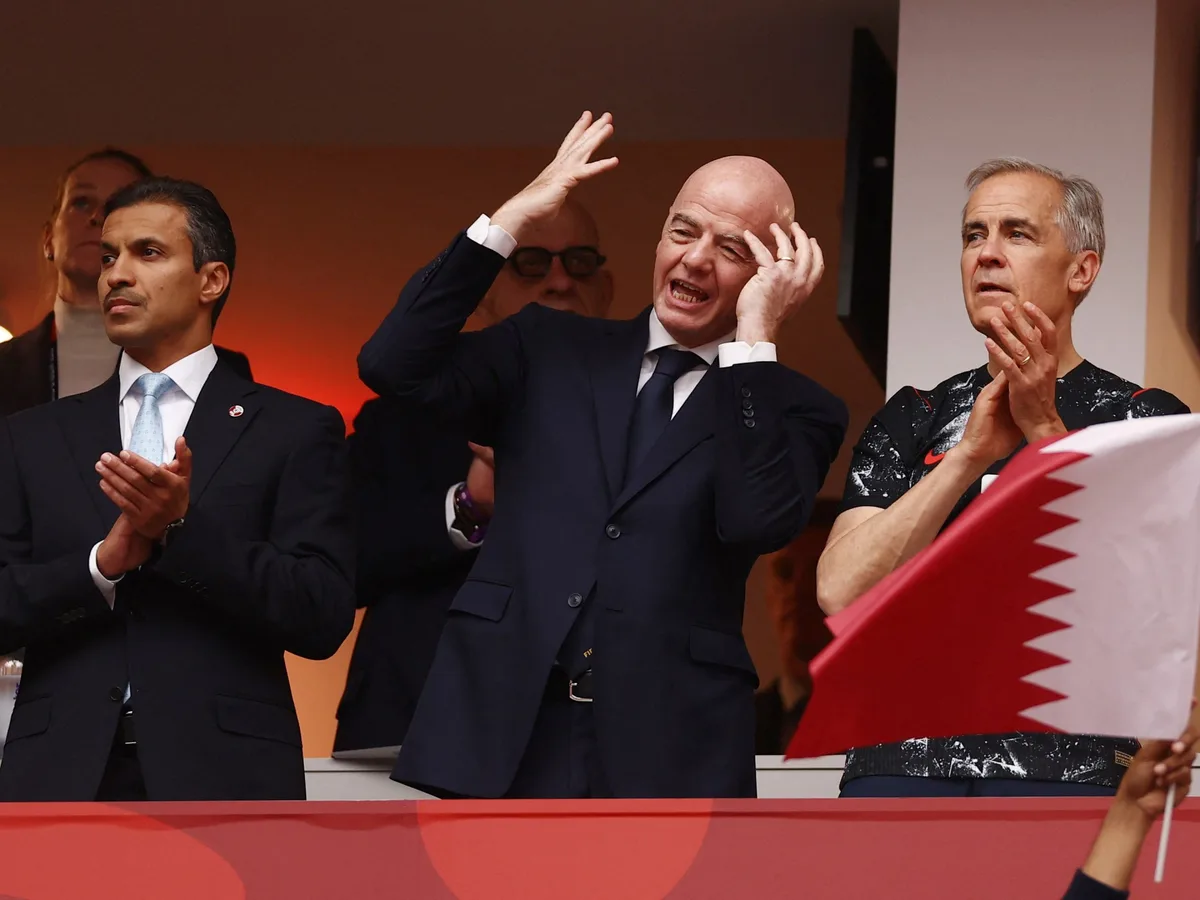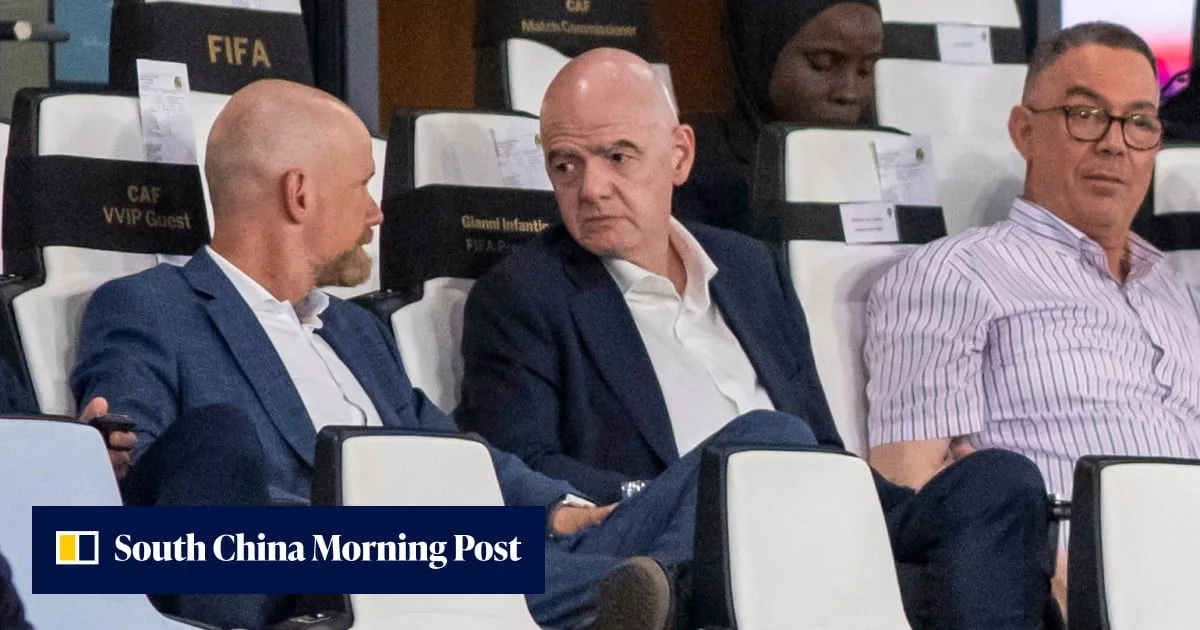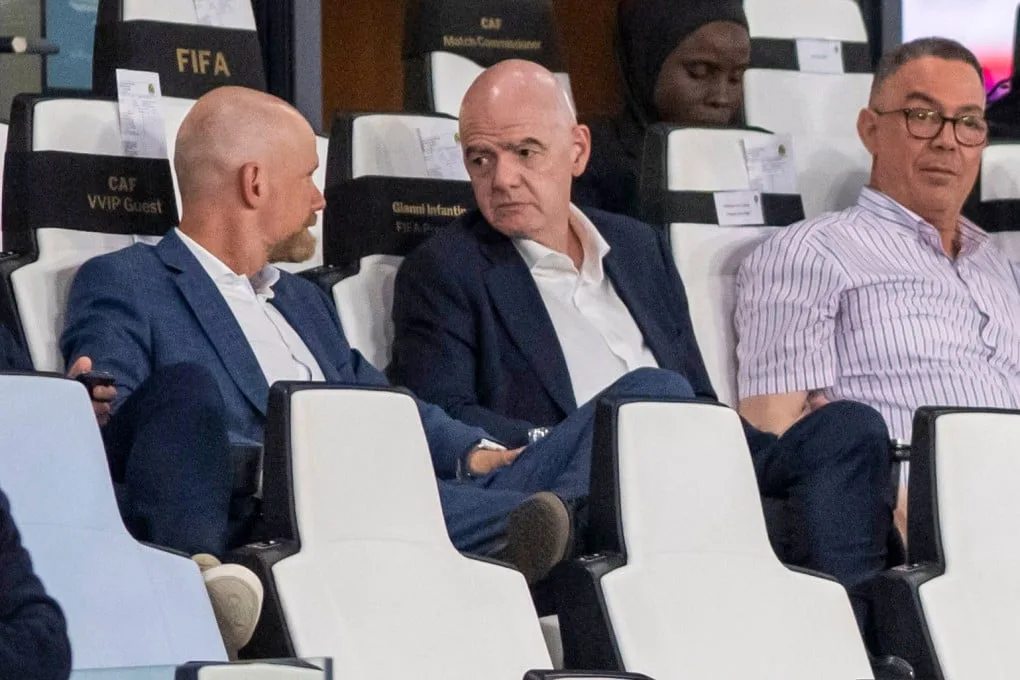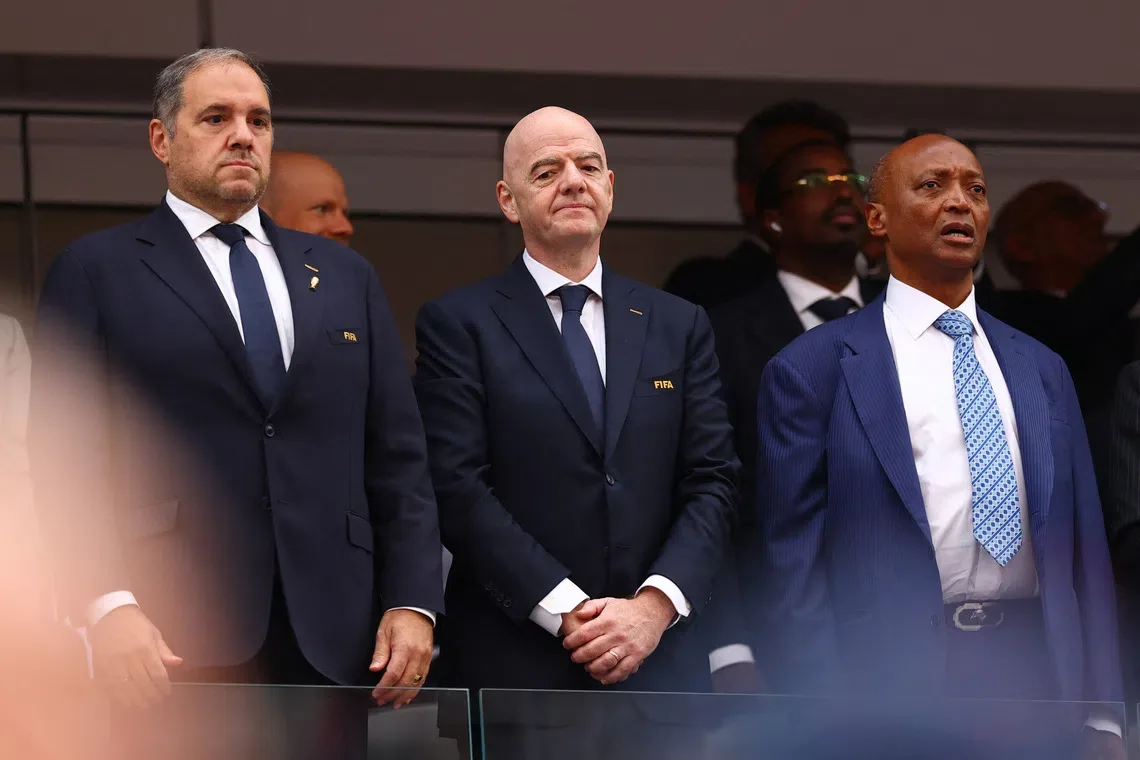
Six heads of Arab football associations—Qatar, Lebanon, Morocco, Sudan, Egypt, and Mauritania—issued a joint statement on August 13 backing FIFA President Gianni Infantino and reaffirming confidence in his leadership and commitment to football development [1, 2, 3, 4, 5]. Four of these federation heads serve on the FIFA Council.
Their public support comes as Infantino faces open revolt from UEFA, AFC, and CONCACAF, who together represent 136 of FIFA’s 211 member associations. These confederations have criticized Infantino over his withdrawn proposal to sell 20% of World Cup commercial rights to private investors, a plan expected to raise about $4.2 billion [1, 2, 3, 4, 5, 6]. The proposal included a $20 million grant to member associations for the funding cycle, with potential doubling if the deal proceeded [1, 2, 3, 4, 5].
The Football Association of Ireland formally withdrew its support for Infantino, citing "significant concerns regarding governance, transparency and the lack of meaningful consultation" [7, 8]. Meanwhile, the Irish Football Association, representing Northern Ireland, supports UEFA’s position criticizing Infantino but has not formally withdrawn support [7].
The Confederation of African Football publicly supports Infantino, but experts point to African history of membership disunity and suggest many associations may break ranks in the upcoming FIFA presidential election [9, 10, 8, 5]. CAF president and FIFA vice president Patrice Motsepe urged critics to wait for the election, stating, "If you want to take him out, go for elections; let the 211 member associations decide" [8].
Commentators note Infantino may still secure enough individual votes to survive re-election but that retaining political authority amid division will be challenging. FIFA governance expert Herve Verhoosel commented, "A president may still be able to assemble enough individual votes to survive. But surviving a vote and retaining the political authority to lead are not the same thing" [6].
Infantino intends to seek re-election at the FIFA Congress scheduled for March 17, 2027, in Morocco, which will also co-host the 2030 World Cup alongside Spain and Portugal [1, 9, 3, 5].