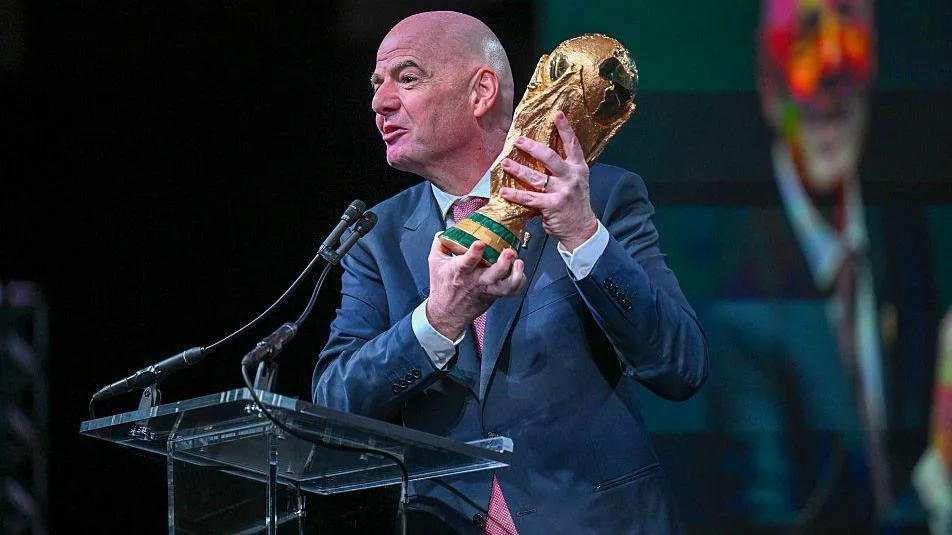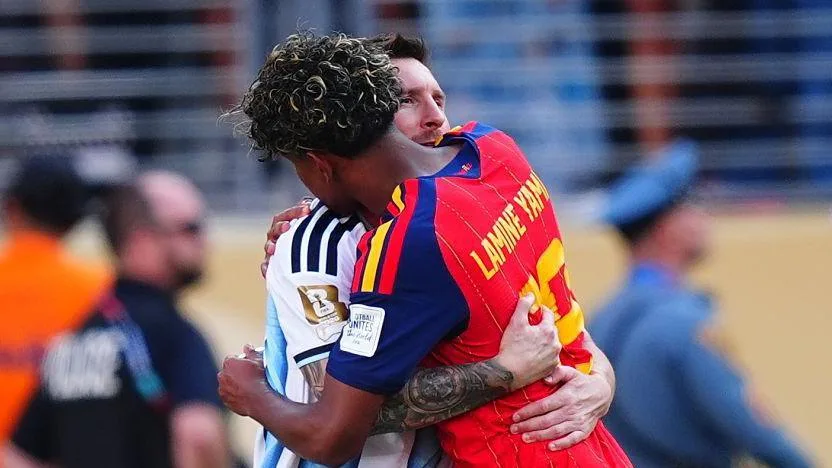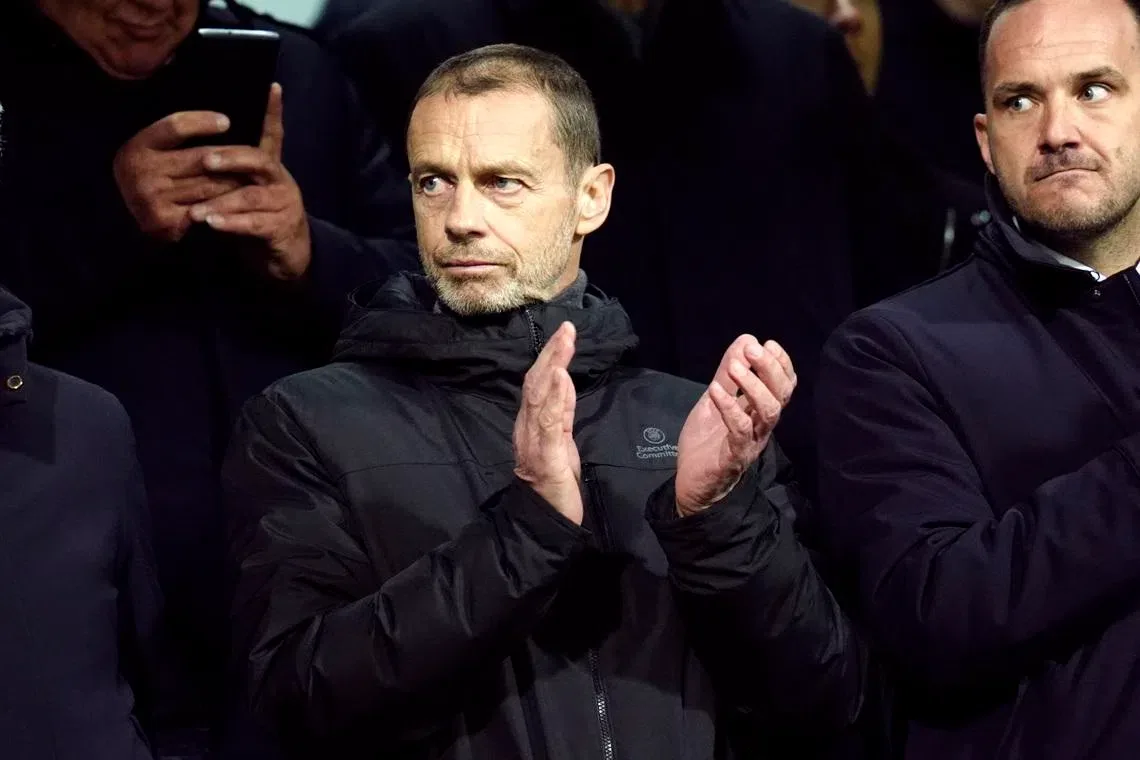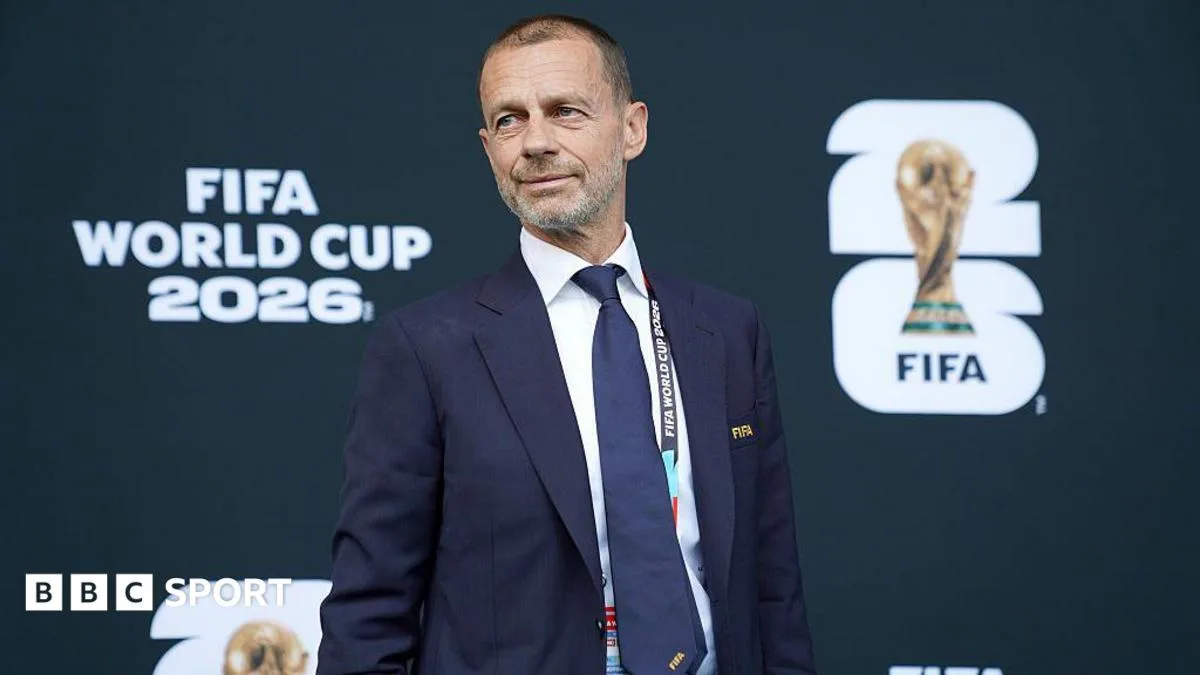
UEFA president Aleksander Ceferin boycotted the 2026 World Cup final between Spain and Argentina on July 19 in New Jersey. He chose not to attend the final as a protest against FIFA’s handling of disciplinary actions and operational changes during the tournament [1, 2, 3].
Ceferin had traveled to Mexico City earlier to attend the opening game between co-hosts Mexico and South Africa, but his absence from the final was a clear signal of UEFA’s discontent [4]. One key issue was FIFA’s suspension of the automatic one-match ban for United States forward Folarin Balogun, who received a red card. UEFA condemned this decision as "unprecedented, incomprehensible and unjustifiable," stating FIFA had "crossed a red line." They said, "When the certainty of rules is no longer guaranteed by its guardians, the integrity of the game is at stake and the credibility of a competition is undermined" [4, 1, 2, 3].
Ceferin was also angered by the exclusion of Somali referee Omar Abdulkadir Artan from entering the United States to participate in the World Cup. In response, UEFA invited Artan to officiate the UEFA Super Cup match scheduled for August 12, 2026, between Paris Saint-Germain and Aston Villa [4, 1, 2, 3].
Additionally, UEFA opposed operational changes FIFA introduced during the final, including the unusually long 27-minute halftime show and mandatory hydration breaks [4]. Spain won the final 1-0 against Argentina in extra time, concluding a tense tournament marred by these controversies [1, 2, 3].
The dispute publicly escalated the day after the final when UEFA and other European football bodies criticized FIFA’s disciplinary decisions and detailed Ceferin’s reasons for boycott [1, 2, 3]. The presence of referee Artan at the UEFA Super Cup match on August 12 will be a focal point in UEFA’s continuing response to FIFA’s World Cup management [4, 1, 2, 3].