The 2026 World Cup has attracted wide attention, bringing strangers from many countries together in a shared passion for football. Steven Spielberg described the event as being “in communion” and said “we are a community,” capturing the tournament’s unifying effect across diverse groups [1].
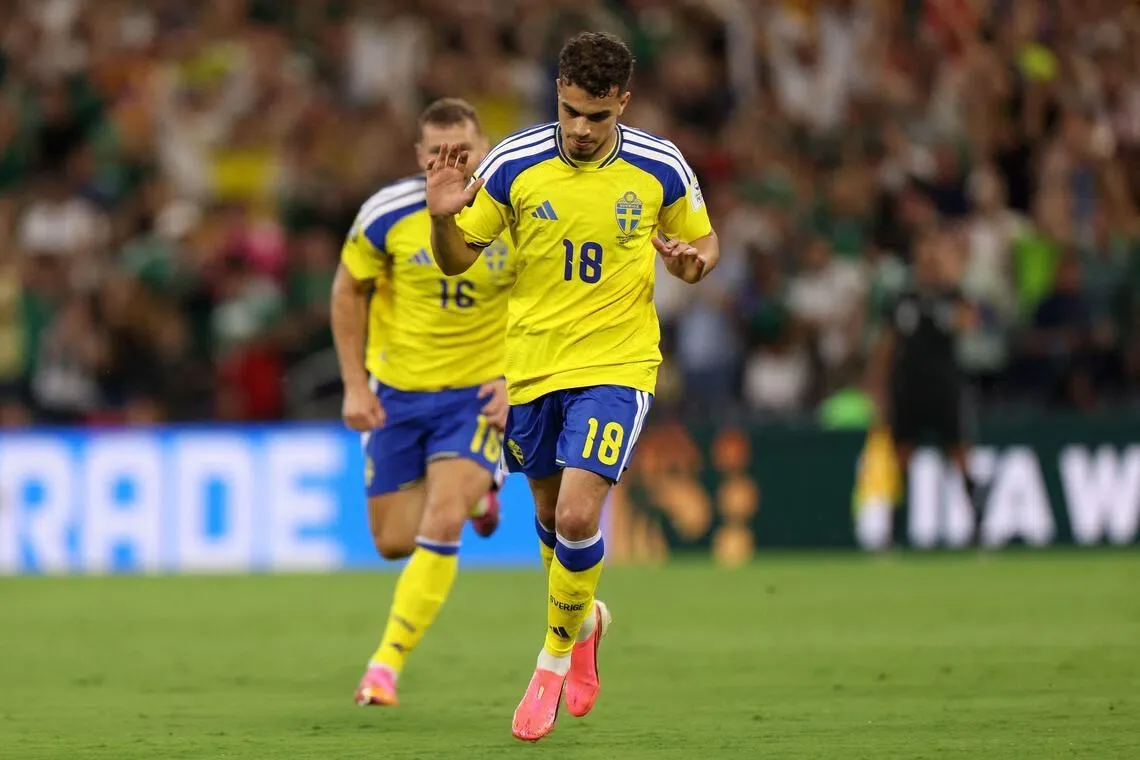
On June 13, Brazil’s match against Morocco generated conversations across multiple time zones, including early-morning discussions in Hong Kong, Delhi, and Singapore [1, 2, 3, 4]. The next day, Yasin Ayari, the child of immigrants, scored twice for Sweden against Tunisia, quietly celebrating his contribution. His father, Azzouz Ayari, said, “He should feel like he is giving back to the country that took care of him,” emphasizing football’s role in social integration [1].
In the first four days of the tournament, 12 matches produced 38 goals with no 0-0 draws, keeping fans engaged with constant scoring action [1, 2, 3, 4]. This excitement has also pulled in casual fans who previously followed little football, even those unfamiliar with stars like Cristiano Ronaldo [1].
However, FIFA’s introduction of mandatory hydration breaks has altered traditional match rhythms by replacing uninterrupted 45-minute halves with quarters. Some critics argue these breaks, alongside expensive ticket prices and rules favoring advertising, disrupt the natural flow of games [1, 2, 3, 4].
Despite such criticisms, the World Cup continues to unite diverse communities worldwide, seen in the mix of players representing adopted countries and the shared passion among fans.
The tournament will continue to unfold in the coming weeks, with further matches expected to maintain high scoring and global engagement [1].