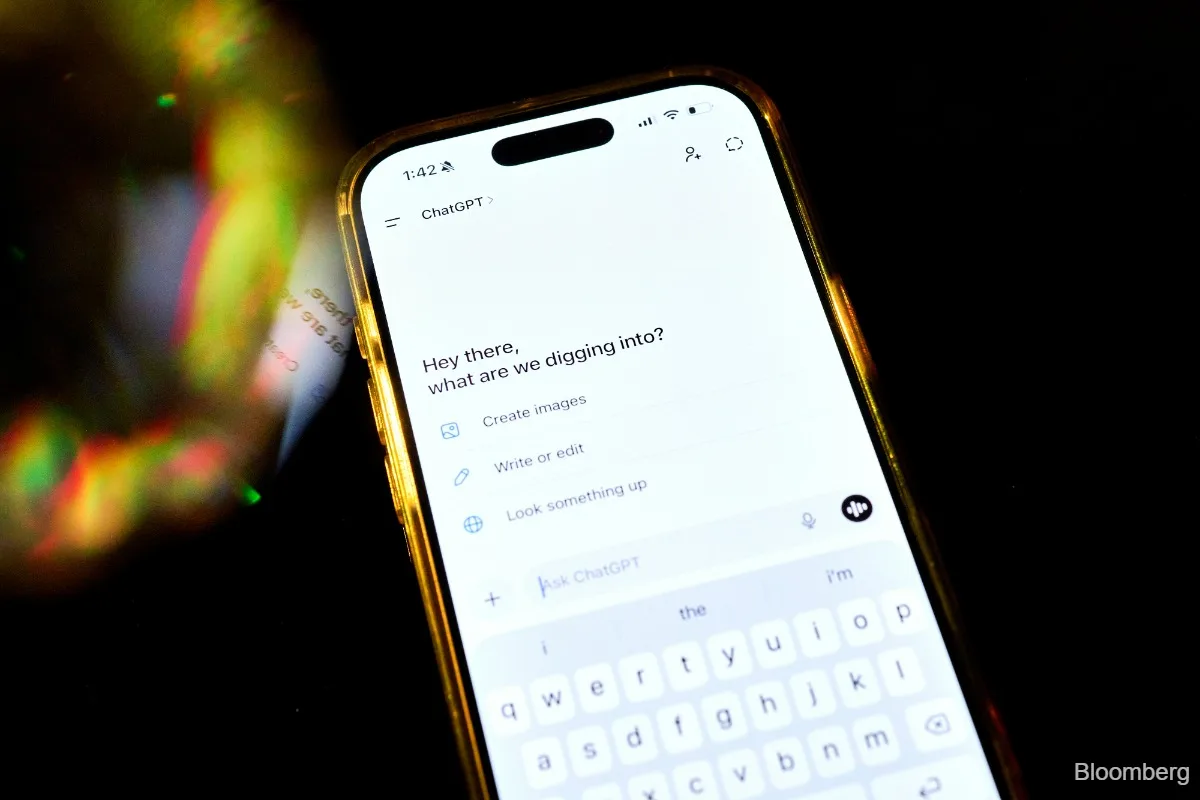
OpenAI's ChatGPT and Roblox will be designated as "very large online platforms" (VLOPs) under the European Union's Digital Services Act (DSA) starting in August 2026 after both services surpassed 45 million monthly users in the EU [1, 2, 3].
The VLOP status brings new regulatory obligations aimed at mitigating risks on platforms of significant reach. These include publishing transparency reports, submitting risk mitigation plans, establishing dedicated points of contact for authorities and users, and reporting criminal offenses [1, 4, 3]. Companies found in breach of DSA rules may face fines up to 6% of their annual global revenue [1, 2].
VLOPs must systematically identify and manage risks related to illegal content, violations of fundamental rights such as freedom of expression, discrimination, public security, gender-based violence, and children’s wellbeing [4, 3]. They are required to maintain internal compliance teams, undergo independent yearly audits, and provide data access to the European Commission, national authorities, and vetted researchers [4, 3].
Other platforms currently designated as VLOPs include Meta Platforms’ Facebook and Instagram, Elon Musk's X, TikTok, WhatsApp, YouTube, Google Maps, and Google Play [1, 3]. The EU has already imposed significant fines against some VLOPs: X was fined €120 million in December 2022 for deceptive design and non-transparency, while Alibaba faced a €550 million penalty in July 2026 over unsafe or counterfeit product issues [1, 2].
Roblox has faced lawsuits and criticism over child safety and predatory behavior on its platform [1, 3]. OpenAI drew criticism in 2025 for not reporting to authorities a banned ChatGPT account linked to a mass shooting suspect. OpenAI has since pledged to report credible threats to authorities [3].
The official designation of ChatGPT and Roblox as VLOPs is expected to take effect as soon as August 2026, enforcing the stricter oversight and compliance requirements under the DSA [1, 2, 3].