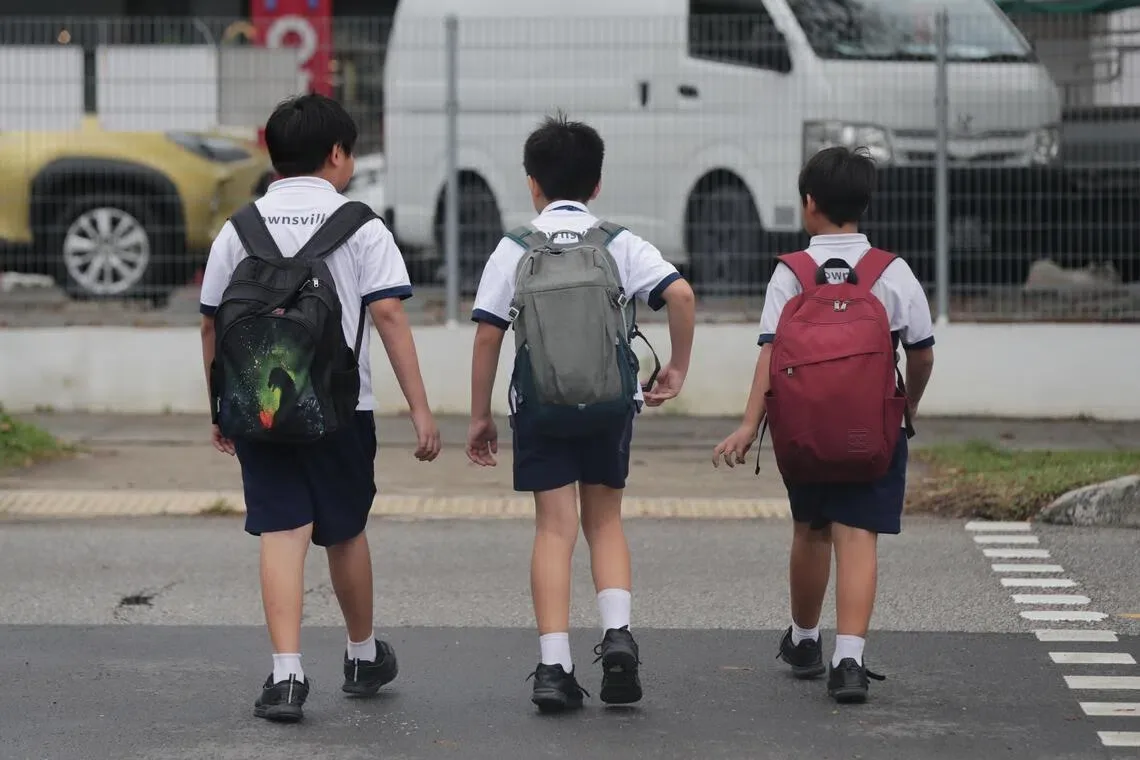
More than half of 8-year-old children in Singapore have used artificial intelligence tools such as ChatGPT, according to a new study presented in May 2026 at the Population Association of Singapore’s Annual Conference at the National University of Singapore (NUS) [1, 2, 3, 4, 5].
The research analyzed nationally representative data from 2,985 children aged 8 to 13 collected through the Singapore Longitudinal Early Development Study (SG-Leads) [1, 2, 3, 4, 5]. It found AI usage increases sharply with age: over 70% of 10-year-olds have used AI tools, and by age 13, more than 90% have done so [1, 2, 3, 4, 5].
ChatGPT is the most popular AI platform among children surveyed [1, 2, 3, 4, 5]. Children use AI for a range of activities including studying and gaming. About 16% of 8- to 9-year-olds were identified as "gaming-dominant", using AI mainly for games several times a week. Another 17% in that age group combined studying and gaming in their AI use [1, 2, 3, 4, 5].
In studying, kids rely on AI to translate languages, solve math or science problems, and learn new concepts. Gaming AI includes platforms like AI Dungeon, a role-playing game where AI creates interactive adventures [1, 2, 3, 4, 5].
The study also noted children’s AI usage patterns differ according to family socioeconomic status. Parental education influences whether usage leans more toward academic or leisure purposes [1, 2, 3, 4, 5].
Professor Jean Yeung said, "This study gives Singapore a first national picture of how children are using AI, and offers insights into how early they are doing so" [1]. Experts emphasized that improving AI literacy among students, parents, and educators will be essential to safeguard children as AI use starts at younger ages [1, 2, 3, 4, 5].